
If your cat suddenly sounds like a tiny sneeze machine, you’re probably wondering: why does my cat keep sneezing — and should I be worried? An occasional sneeze is perfectly normal, but frequent or persistent sneezing can signal anything from dusty litter to a contagious upper respiratory infection.
In this complete 2026 vet guide, we’ll walk you through the 7 most common causes of cat sneezing, the red-flag symptoms that mean a vet visit now, safe home care that actually helps, and how to prevent respiratory illness.
Table of Contents
- Is It Normal for Cats to Sneeze?
- 7 Common Causes of Cat Sneezing
- Red Flags: When Sneezing Needs a Vet Now
- Home Care Tips for a Sneezing Cat
- How to Prevent Sneezing and Respiratory Illness
- Frequently Asked Questions
- Final Thoughts
Is It Normal for Cats to Sneeze?
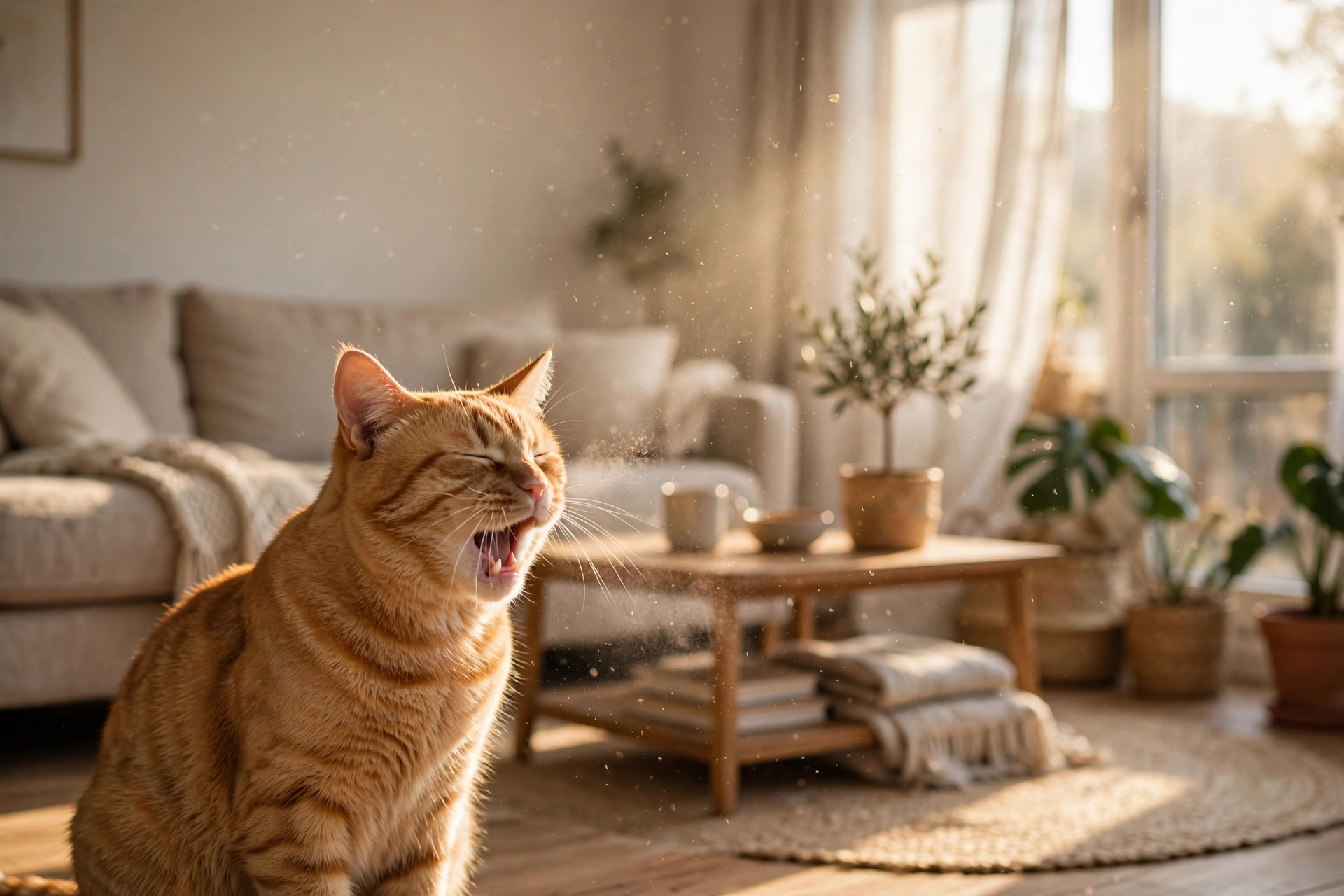
Yes — the occasional sneeze is completely normal in cats. A sneeze or two after sniffing a dusty corner, digging in the litter box, or walking past a scented candle is nothing to worry about.
Sneezing becomes a concern when it is frequent, clustered, or persistent — sneezing fits several times a day, or nonstop sneezing that lasts for days. Cats also sneeze more in autumn and winter, when dry indoor air, dusty heating vents, and seasonal respiratory viruses peak at once — and newly adopted cats often sneeze as the stress of a new environment wakes up dormant respiratory viruses.
7 Common Causes of Cat Sneezing
Understanding why your cat keeps sneezing starts with the most likely culprits. Veterinary sources including PetMD group the causes into a handful of categories — here they are, from most common to least.
1. Upper Respiratory Infections (The #1 Cause)
Persistent sneezing is most often caused by an upper respiratory infection (URI) — essentially a cat cold. The two heavy hitters are feline herpesvirus type 1 (FHV-1) and feline calicivirus (FCV), which cause the vast majority of feline URIs and are highly contagious between cats.
Typical URI symptoms include repeated sneezing, nasal discharge, watery eyes, congestion, and reduced appetite. Most healthy adult cats recover in 7 to 14 days with supportive care. But with herpesvirus there is a catch: once infected, a cat carries the virus for life, and stress can trigger sneezing and eye-discharge flare-ups years later. There is no cure, but your vet can help manage flare-ups.
2. Household Irritants and Allergens
Common irritants that trigger sneezing fits include dusty cat litter (one of the most frequent offenders), cigarette smoke, scented candles and air fresheners, perfumes, cleaning product fumes, and household dust. Sneezing fits that start right after a litter-box visit point strongly to litter dust — switching to a low-dust, unscented litter often stops them within days.
3. Foreign Material in the Nose
A blade of grass or dust particle inhaled through the nose triggers the sneeze reflex designed to expel it. Small particles usually come out on their own — but a larger object stuck in the nasal passage can cause relentless one-sided sneezing. If sneezing is sudden, violent, and only from one nostril, a vet may need to look inside the nose (rhinoscopy) or flush it under anesthesia.
4. Chronic Nasal Inflammation
Some cats develop ongoing nasal inflammation long after an infection has cleared — a condition called chronic rhinitis. Sneezing itself keeps the nasal lining irritated, creating a feedback loop that lasts for weeks or months, often with thick discharge. It is diagnosed after infections and foreign bodies are ruled out, and treatment may involve steroids or anti-inflammatory medications.
5. Dental Disease
The roots of a cat’s upper teeth sit right next to the nasal passages. When a tooth root becomes infected, the barrier between the tooth socket and the nose can break down — food and bacteria leak upward, and the cat sneezes. Sneezing that happens mainly around mealtimes, especially with bad breath or drooling, is a classic clue. Treating the dental disease usually resolves the sneezing.
6. Nasal Polyps or Tumors
In older cats, persistent one-sided discharge with ongoing sneezing can be caused by a nasal polyp (a benign growth) or, less commonly, a nasal tumor. Warning signs include noisy breathing or bleeding from one nostril. Polyps are treatable, and early detection of tumors improves options — another reason persistent sneezing needs a vet’s diagnosis.
7. Fungal Infections
Rare but worth knowing: fungal infections such as cryptococcosis can cause chronic sneezing with thick discharge, sometimes with swelling over the nose. These are most common in cats that roam outdoors. Diagnosis requires specific testing, and treatment is long-term antifungal medication.
Red Flags: When Sneezing Needs a Vet Now
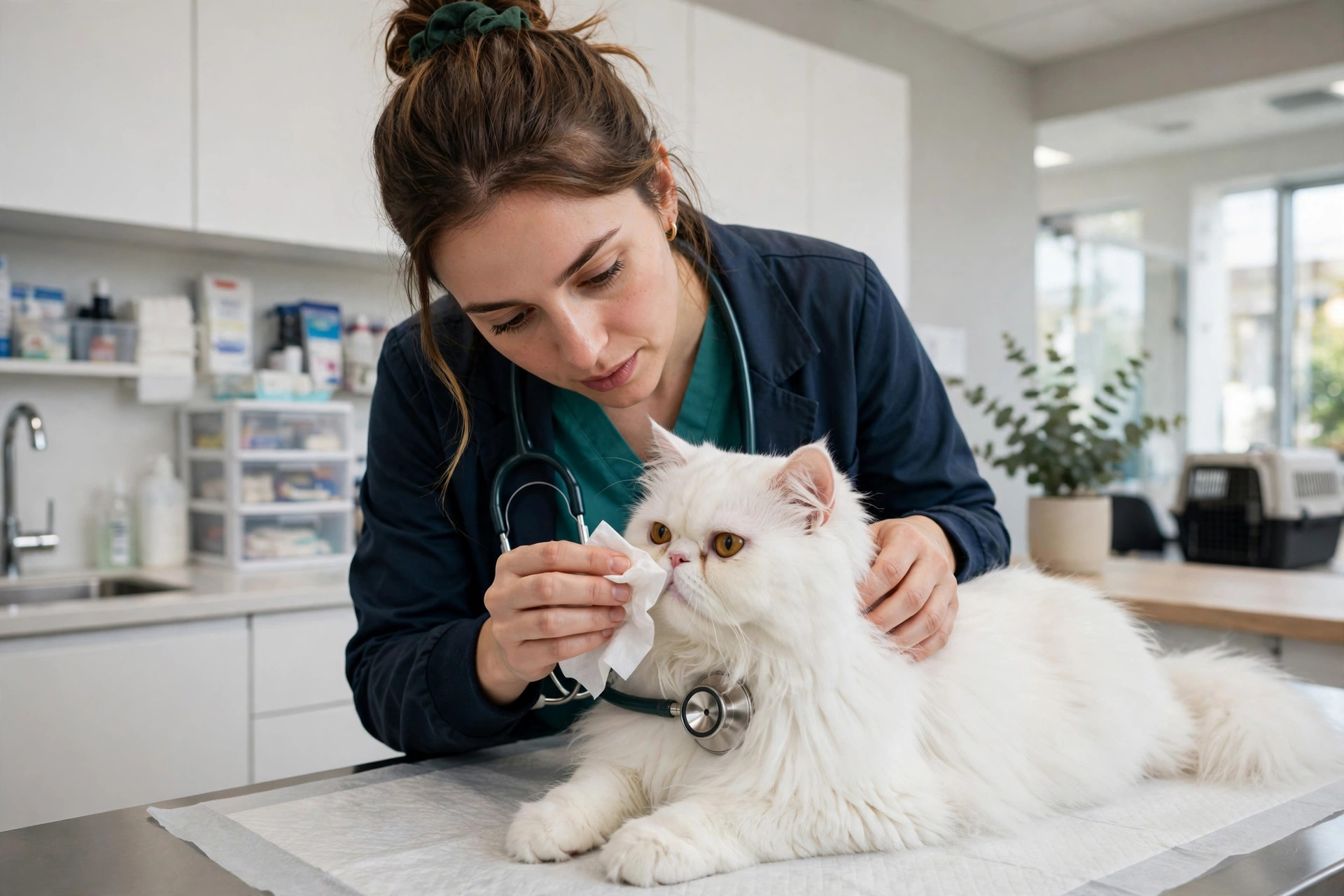
A few sneezes with an otherwise happy cat can be monitored at home. Call your veterinarian promptly if you notice any of the following:
- Yellow or green nasal or eye discharge — colored discharge signals a bacterial infection that usually needs antibiotics.
- No appetite for 24 hours — cats that can’t smell their food stop eating, and 24 hours without food risks liver complications. Also Read: Why Is My Cat Not Eating? Warning Signs & When to Worry (2026)
- Open-mouth breathing, wheezing, or blue/grey gums — a respiratory emergency; go to the vet immediately.
- Fever, lethargy, or hiding alongside sneezing — suggests the infection is spreading (possible pneumonia or sinusitis).
- Bleeding from one nostril or a swollen face — possible polyp, tumor, or dental abscess needing imaging.
- Sneezing lasting longer than 7–10 days — most simple URIs resolve within two weeks; anything longer needs a diagnosis.
- A kitten, senior cat, or immunocompromised cat sneezing at all — these cats can deteriorate fast. Also Read: Senior Cat Checkups: 7 Vet Screenings for Cats Over 7 (2026)
Home Care Tips for a Sneezing Cat
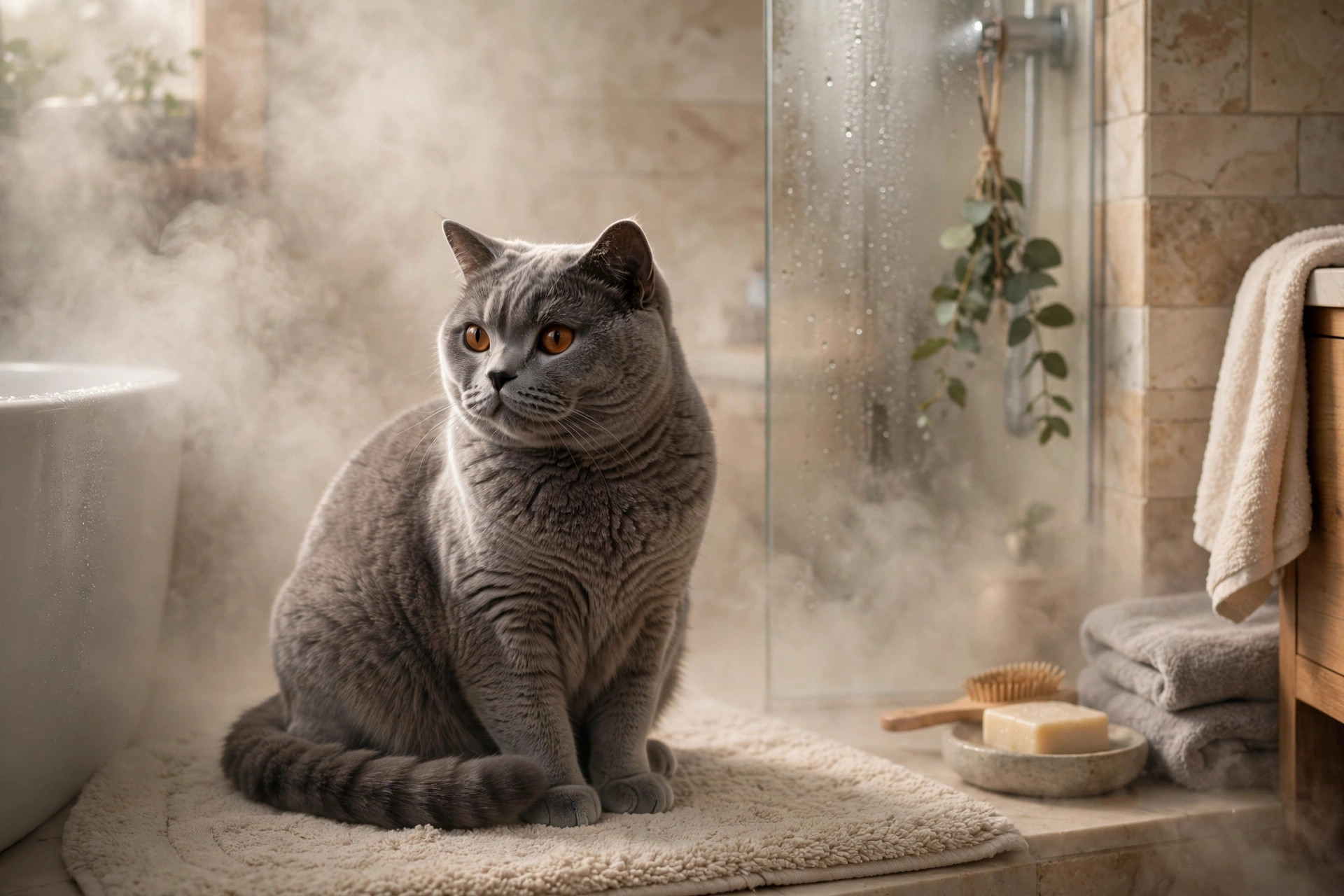
For mild sneezing in a cat that’s still eating, drinking, and acting normal, these vet-approved home steps help while the immune system does its work:
- Run a steam session. Sit with your cat in a closed bathroom while a hot shower runs for 10–15 minutes. The steam loosens mucus and eases congestion.
- Keep eyes and nose clean. Gently wipe crusty discharge with a soft cotton ball dampened in warm water. Sterile non-medicated saline nose drops (a drop or two per nostril) can thin mucus and relieve irritation.
- Cut the irritants. Switch to low-dust unscented litter, stop using scented candles and plug-ins near the cat, and keep dust and smoke out of their resting areas.
- Make food smell irresistible. Congested cats can’t smell food and may stop eating. Warm wet food for 10–15 seconds to release aroma, or try a strong-smelling pâté topper to keep calories coming in.
- Add moisture to the air. A cool-mist humidifier near your cat’s favorite resting spot helps liquefy nasal mucus and eases breathing.
- Watch the food bowl. Offer fresh water in multiple spots and monitor appetite — if appetite drops for 24 hours, call the vet even if the sneezing seems mild.
One thing to never do: give your cat human cold medicine. Decongestants, antihistamines, and pain relievers made for people can be toxic to cats. If you think your cat needs medication, let your veterinarian prescribe it.
How to Prevent Sneezing and Respiratory Illness
You can’t eliminate every sneeze, but you can stack the odds in your cat’s favor:
- Keep vaccinations current. The FVRCP combo vaccine protects against feline herpesvirus, calicivirus, and panleukopenia — it doesn’t always prevent infection, but it dramatically reduces severity. Annual boosters matter.
- Reduce stress. Herpesvirus reactivates under stress, so a calm, predictable environment prevents flare-ups — give extra patience and familiar routines around big changes like moves or new pets.
- Isolate sick cats. URIs spread through sneeze droplets, shared bowls, and contaminated hands. Keep a sneezing cat in a separate room until symptoms resolve, and wash your hands between cats.
- Maintain clean air and routine vet visits. Low-dust litter, regular vacuuming, and good ventilation keep irritants down; annual checkups catch dental disease and early nasal issues before they turn into months of sneezing.
Frequently Asked Questions
Is it normal for my cat to sneeze every day?
No — a sneeze now and then is normal, but daily repeated sneezing is not. It points to an irritant in the environment, chronic nasal inflammation, or a lingering infection. Book a vet visit if it continues for more than a few days.
Can cat sneezing spread to humans or dogs?
No. Feline herpesvirus and calicivirus spread only between cats — they are not contagious to people or dogs.
How long does cat sneezing last with a respiratory infection?
Most uncomplicated URIs resolve in 7 to 14 days, though some cases stretch to 21 days. If sneezing persists beyond two weeks or new symptoms appear, your cat needs a recheck.
Can I give my cat human cold medicine for sneezing?
Never give your cat human medication without veterinary direction. Many human antihistamines, decongestants, and pain relievers are toxic to cats. Your vet can prescribe cat-safe options if needed.
Why is my cat sneezing but acting normal otherwise?
Mild irritant exposure (litter dust, a scented candle) or the early stage of a URI often causes sneezing before any other symptom appears. Monitor for 48–72 hours: if the sneezing stops, it was likely a passing irritant. If discharge, appetite loss, or lethargy develop, call your vet.
Should I separate my sneezing cat from my other cats?
Yes — until you know the cause. Upper respiratory viruses spread easily through sneeze droplets and shared bowls. Keep the sneezing cat in a separate room with its own food, water, and litter box, and wash your hands between cats.
Final Thoughts
So, why does my cat keep sneezing? Most of the time, the answer is a passing irritant or a mild upper respiratory infection that resolves with supportive care in a week or two. But persistent sneezing — especially with colored discharge, appetite loss, or labored breathing — is your cat’s way of asking for help, and only a vet can sort out the deeper causes.
Watch the pattern, note the company the sneezes keep, and never wait on red-flag symptoms. With prompt attention and a low-stress home, most sneezing cats are back to quiet breathing in no time.