
There are few things more stressful for a cat owner than finding a full, untouched food bowl where a favorite meal should have disappeared. If you are asking yourself why is my cat not eating, you are not alone — appetite loss is one of the most common reasons cat owners contact their veterinarian, and it is also one of the most urgent symptoms to take seriously.
The short version: cats should never go long without food. Unlike dogs, who can safely skip meals for a day or two, cats can develop a dangerous liver condition called hepatic lipidosis (fatty liver disease) after just 24–48 hours without eating — even if they are overweight and seem otherwise fine. That makes appetite loss in cats a symptom you should never ignore or wait out.
In this complete 2026 vet guide, we will walk you through why your cat may not be eating: the most common causes (from stress and fussiness to dental pain and kidney disease), how long is actually safe to wait, the red-flag warning signs that mean a vet visit right now, and the gentle home steps you can try to tempt your cat back to the bowl.
Table of Contents
- Why Is My Cat Not Eating? The 24-Hour Rule
- Common Non-Medical Causes of Appetite Loss
- Medical Reasons Why Your Cat Is Not Eating
- Warning Signs: When to Go to the Vet Immediately
- How Long Can a Cat Safely Go Without Eating?
- What to Do at Home to Encourage Your Cat to Eat
- What Happens at the Vet Visit
- Kitten Not Eating: Special Rules
- Frequently Asked Questions
- Final Thoughts
Why Is My Cat Not Eating? The 24-Hour Rule
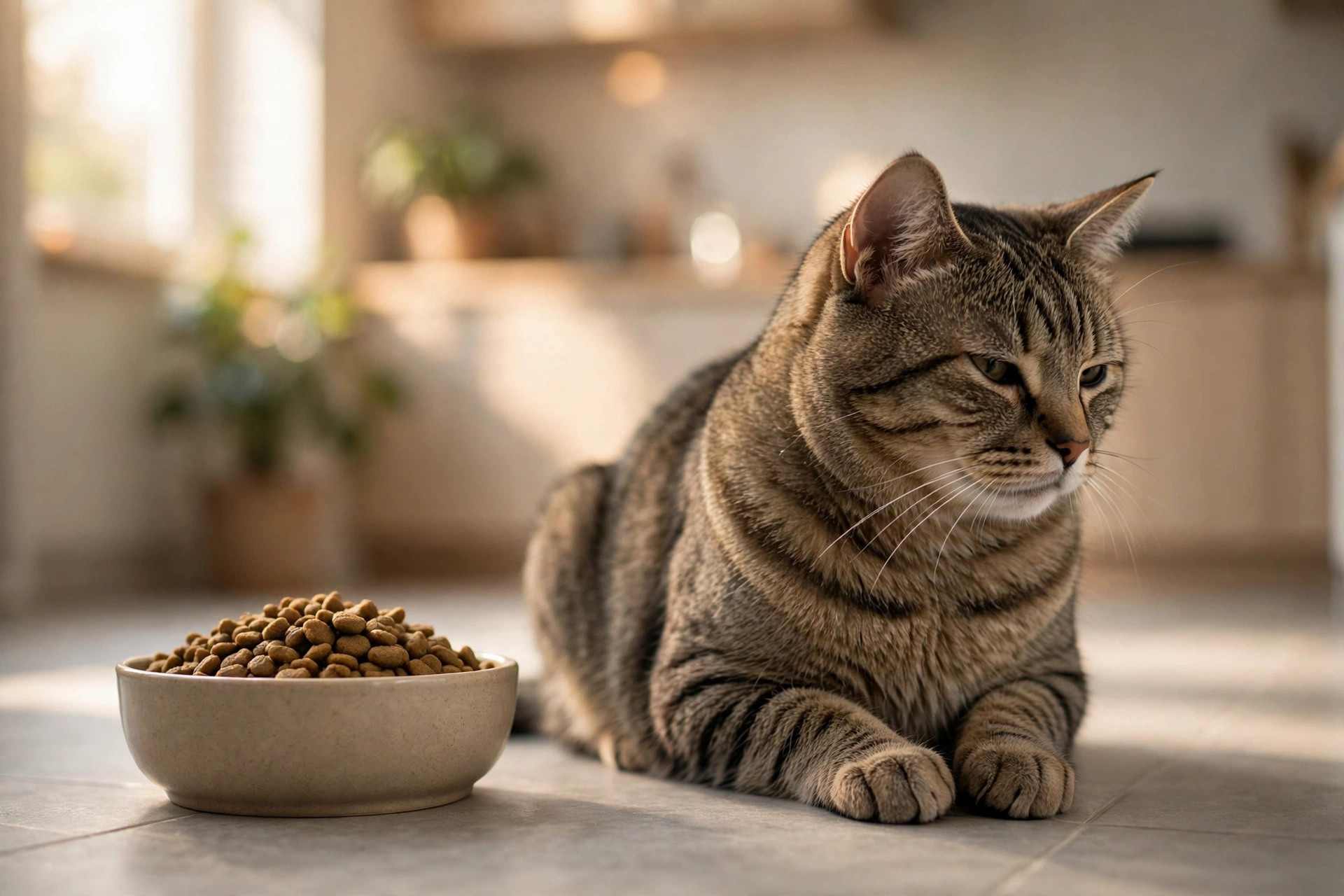
The single most important thing to understand about why your cat is not eating is the 24-hour rule: if an adult cat eats nothing at all for 24 hours, it is time to call your veterinarian — even if the cat seems otherwise normal. For kittens, the limit is 12 hours.
Why so strict? When a cat stops eating, its body starts mobilizing stored fat to use for energy. That process can quickly overwhelm the liver, causing hepatic lipidosis (fatty liver disease) — a potentially fatal condition that can develop after only 24–48 hours without food. Overweight cats are at even higher risk, because there is more fat for the liver to process.
This is what makes a cat skipping meals so different from a dog doing the same thing. With cats, appetite loss is a symptom you treat as urgent until proven otherwise. As PetMD notes, not eating for 24–36 hours can cause serious health problems in a cat, and prolonged anorexia risks life-threatening liver complications.
Common Non-Medical Causes of Appetite Loss
Not every uneaten meal is a medical emergency. Cats are famously particular about their food — served at the right temperature, in the right bowl, in the right place. Before you panic, run through these common everyday reasons your cat may be refusing food:
1. Stress and Routine Changes
Cats are creatures of habit, and appetite loss is one of the first things they show when stressed. Common triggers include moving to a new home, new pets or family members, loud noises or construction, travel or boarding, changes in the daily routine, and even rearranged furniture. A stressed cat may approach the bowl and walk away without eating — that “interested but won’t eat” behavior is a classic stress signal.
2. Food Problems: Temperature, Freshness, and Fussiness
Cats are guided by smell and texture, and small changes can put them off food entirely. Check for: food served too cold (straight from the fridge — warming releases the aroma), stale or expired food, a sudden brand or flavor change, a dirty food bowl, or a bowl placed too close to the litter box. Some cats develop strong preferences for a specific texture — pâté versus chunks — and will stage a hunger strike over the difference.
3. Recently Being Sick, Injured, or Having Surgery
A short appetite dip after illness, injury, vaccination, or surgery is common and usually resolves within a day. But if the refusal stretches past 24 hours, the clock still applies — call your vet.
4. Hot Weather
Like people, cats often eat less in hot weather. A mild temporary dip during a heatwave is usually harmless, as long as your cat is still drinking water and behaving normally.
5. Being Fed Elsewhere
The classic indoor-outdoor cat scenario: your cat may be happily eating at a neighbor’s house or hunting outdoors and simply not hungry at home. If your cat is active, bright-eyed, and maintaining weight, consider whether the “lost appetite” has another explanation.
Also Read: Catio Ideas: Safe Outdoor Cat Enclosure Guide (2026) — reducing boredom and stress with safe enrichment often helps anxious eaters settle.
Medical Reasons Why Your Cat Is Not Eating
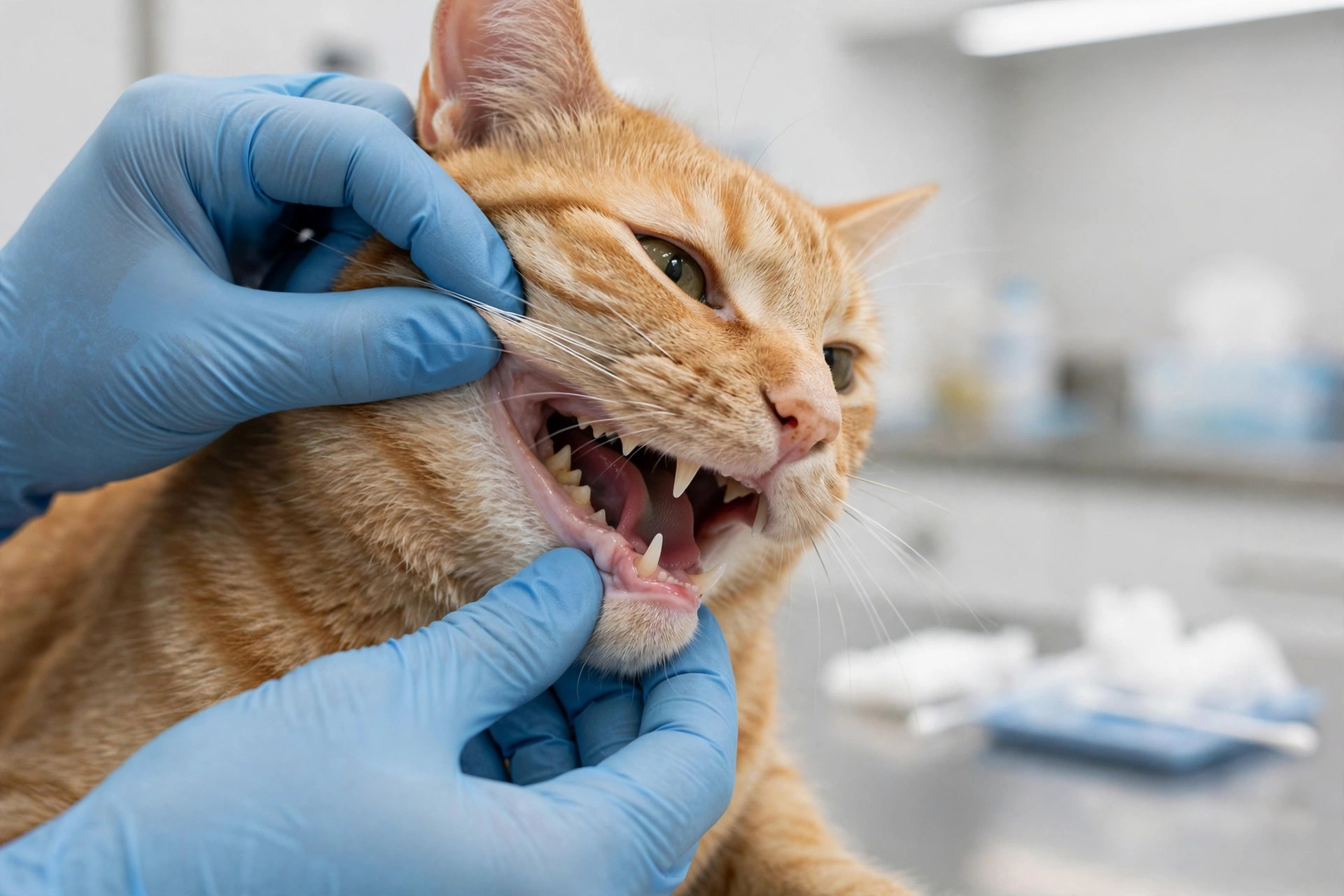
When the bowl stays full for more than a day — or when appetite loss comes with any other symptom — a medical cause is likely. Cats are masters at hiding pain, and refusing food is sometimes the only visible clue. The most common medical reasons include:
1. Dental Disease and Mouth Pain
This is one of the top reasons cats stop eating. Inflamed gums, tooth decay, a broken tooth, an oral abscess, or a foreign object in the mouth makes every bite painful. Classic sign: the cat walks to the bowl, seems hungry, but drops food from its mouth or backs away. Red gums, drooling, or pawing at the mouth also point to oral pain. In many cases, dental disease is the culprit behind appetite loss, and it leads to serious secondary problems if ignored.
2. Upper Respiratory Infection (“Cat Flu”)
A cat’s appetite is strongly driven by smell. A respiratory infection that causes a stuffy nose, sneezing, and watery eyes can remove all interest in food, even when the cat would otherwise eat. If your cat is congested and not eating, a vet visit is warranted.
3. Nausea and Gastrointestinal Problems
If your cat licks its lips, approaches food, then turns away, nausea is likely. Causes include gastritis, intestinal parasites (worms), hairballs, constipation, pancreatitis, inflammatory bowel disease, or a swallowed foreign object such as string, ribbon, or plastic — which can cause a dangerous intestinal blockage. Repeated vomiting alongside appetite loss needs prompt veterinary attention.
4. Kidney Disease
One of the most common diseases in cats over 7 years old. Failing kidneys cause nausea and toxin buildup (uremia), which suppresses appetite. Other clues: drinking much more water than usual, urinating more, and gradual weight loss. Senior cats with reduced appetite should be checked with bloodwork and urinalysis.
5. Liver Disease and Hepatic Lipidosis
Hepatic lipidosis often starts because a cat stopped eating — but existing liver problems can also be the original cause of appetite loss. Watch for yellowing of the eyes, gums, or ears (jaundice), which signals liver trouble and is always a vet emergency.
6. Other Illnesses: Diabetes, Thyroid, Heart Disease, Cancer
Chronic conditions such as diabetes, hyperthyroidism, heart disease, and cancer can all suppress appetite. These usually come with additional signs — increased thirst, weight loss despite eating, lethargy, or breathing changes — so note every symptom to report to your vet.
Warning Signs: When to Go to the Vet Immediately
Seek veterinary care right now — not in the morning — if your cat is not eating AND shows any of these:
- Nothing eaten for 24 hours (12 hours for a kitten)
- Repeated vomiting or diarrhea
- Lethargy, hiding, or unusual weakness
- Drooling or pawing at the mouth (possible oral pain or poisoning)
- Yellowing of the eyes, gums, or ears (jaundice)
- Difficulty breathing or rapid breathing
- Straining to urinate or no urine in the litter box (possible urinary blockage — an emergency, especially in males)
- Swollen or painful abdomen
- Rapid or unexplained weight loss
- Signs your cat may have eaten something toxic — plants, string, medication, or chemicals
Even a cat that is “acting normal” but hasn’t eaten for a full day needs a vet call. Acting normal does not rule out hepatic lipidosis risk.
How Long Can a Cat Safely Go Without Eating?
This question gets asked constantly, and the answer surprises many owners. Technically, a cat can survive a few days without food — but survival is not the point. The risk of fatty liver disease begins within 24–48 hours, and once it develops, treatment is intensive and expensive.
| Cat | Call the Vet When | Why |
|---|---|---|
| Adult cat | No food for 24 hours | Hepatic lipidosis risk begins around 24–48 hours |
| Kitten under 6 months | No food for 12 hours | Kittens dehydrate and lose energy much faster |
| Overweight cat | As soon as appetite drops | Higher fatty-liver risk from larger fat stores |
| Cat with other symptoms | Immediately | Underlying illness may already be advancing |
Remember: water matters too. A cat that won’t eat but is drinking water is slightly less urgent than one refusing both — but the 24-hour eating rule still applies.
What to Do at Home to Encourage Your Cat to Eat
While you monitor the clock (and definitely after you’ve spoken to your vet), these gentle strategies often tempt a reluctant cat back to the bowl:
- Warm the food. Heat wet food for 10–15 seconds in the microwave — it releases aroma, which is a cat’s biggest appetite trigger. Always check it isn’t hot before serving.
- Serve it fresh and room-temperature. Discard uneaten food after a few hours, wash the bowl, and offer a fresh small portion.
- Try a different texture. If your cat eats kibble, offer pâté; if it eats chunks, try a broth or a smooth food. Senior cats or cats with sore mouths often prefer soft foods.
- Add an irresistible topper. A spoonful of tuna water (not the tuna itself) drizzled over food can spark interest without the mercury load of the fish. Also Read: Can Cats Eat Tuna? Vet Safety Guide (2026)
- Hand-feed or sit nearby. Some cats eat better with company — offer small amounts from your hand or stay in the room while they eat.
- Reduce stress. Move the bowl to a quiet spot away from noise, other pets, and the litter box. Keep the household calm and predictable.
- Make sure water is available. Fresh, clean water in multiple spots matters — and many cats drink more from a fountain.
Do not force-feed your cat (syringing food into the mouth). It causes stress, can push food into the lungs, and often makes the problem worse. Leave feeding interventions to your veterinarian.
What Happens at the Vet Visit

Knowing what to expect can make the appointment less stressful for both of you. For a cat that won’t eat, your veterinarian will typically:
- Perform a full physical exam, including a thorough oral and dental check
- Ask about the timeline: when the cat last ate, any vomiting, diarrhea, changes in water intake, new foods, stress events, and access to toxins or foreign objects
- Run blood work (complete blood count and chemistry panel) to evaluate organ function — especially liver and kidneys
- Perform a urinalysis to check kidney function
- Use X-rays or ultrasound if a blockage, tumor, or organ changes are suspected
- Test thyroid levels in cats over 7 years old
Depending on the diagnosis, treatment might include fluids, anti-nausea medication, appetite stimulants, dental treatment, or — in serious cases — a feeding tube to get calories in while the underlying problem is addressed. If your cat is critically ill, a feeding tube is often safer and more effective than medication alone.
Kitten Not Eating: Special Rules
Kittens play by stricter rules than adults. A kitten under 6 months that refuses food for 12 hours needs veterinary attention — kittens have tiny energy reserves and can become weak and dehydrated quickly.
Common kitten-specific causes include the stress of a new home (very common in newly adopted kittens), upper respiratory infections (sneezing, runny eyes, congestion), intestinal parasites, or a kitten that hasn’t yet learned its food preferences. Try offering warmed, soft kitten food in a calm, warm spot, and make sure the kitten is kept warm — a cold, stressed kitten won’t eat. If 12 hours pass with no eating, don’t wait: call your vet.
Frequently Asked Questions
Why is my cat not eating but drinking water?
This is common and can mean dental pain, nausea, or stress — the cat is thirsty but the idea of eating hurts or nauseates it. It’s still a concern: follow the 24-hour rule and call your vet if the refusal continues.
Why is my cat not eating but acting normal?
Cats hide illness remarkably well, and a “normal-acting” cat can still be developing fatty liver disease. Stress, a recent food change, or mild nausea are common causes — but the 24-hour rule applies regardless of behavior.
Should I worry if my cat skips one meal?
One skipped meal is usually not an emergency — cats have off moments like anyone. Monitor the next meal closely. If the cat refuses two meals in a row or goes 24 hours without eating, call your veterinarian.
Can I give my cat anything to stimulate appetite at home?
Warming food, trying new textures, and tuna water toppers are safe home steps. Actual appetite-stimulant medications should only be given under veterinary supervision — they can be a lifesaving tool for cats recovering from illness, but dosing and suitability need a vet’s judgment.
How long can a cat go without eating?
Cats can technically survive several days without food, but serious health risks — especially hepatic lipidosis (fatty liver disease) — begin within 24–48 hours. Never wait “to see if it passes”; the 24-hour rule keeps your cat safe.
Why won’t my kitten eat?
New-home stress, upper respiratory infection, and parasites are the most common reasons. Kittens should never go more than 12 hours without food — offer warmed soft food in a calm spot and call your vet if it continues.
Final Thoughts
So, why is my cat not eating? It could be as simple as a stressful week or a bowl of food served too cold — or as serious as dental disease, kidney trouble, or a dangerous blockage. The key takeaway is the timeline: 24 hours without food for an adult cat, 12 hours for a kitten, and it’s time to call the vet, no matter how normal your cat seems.
Cats hide pain by nature, which means appetite loss is often their only way of telling you something is wrong. Try the gentle home steps — warm food, fresh small portions, a calm quiet space — but respect the clock. Early veterinary attention is the difference between a simple fix and a serious illness, and when it comes to your cat’s appetite, sooner is always safer.