

Thanksgiving is two days away, Christmas bookings are already filling up, and you still have not decided who will look after your dog or cat while you travel. The two real options are a pet sitter or boarding — a sitter who cares for your pet at home, or a boarding facility where your pet stays overnight. Both can work well, and both can go badly if you pick the wrong one for your pet.
In this 2026 guide, we compare pet sitter vs boarding: what each one costs, which pets suit each option, how far ahead to book for the holidays, the questions to ask before you pay a deposit, and the red flags that mean you should walk away.
Table of Contents
- What Is a Pet Sitter?
- What Is Boarding?
- How Much Do a Pet Sitter and Boarding Cost in 2026?
- Pet Sitter or Boarding: Which Fits Your Pet?
- How Far Ahead Should You Book for the Holidays?
- Questions to Ask Before You Book
- What About Cats?
- Packing and Prep: Vaccines, Trial Stays and Paperwork
- Frequently Asked Questions
What Is a Pet Sitter?
A pet sitter cares for your pet in your own home. There are three common versions, priced very differently:
- Drop-in visits: the sitter comes two or three times a day to feed, refresh water, scoop litter or let the dog out, and check that your pet is well. Nobody stays overnight.
- Overnight in-home sitting: the sitter stays at your house overnight, so your pet has company in the evening and morning too.
- House sitting: the sitter lives in your home for the whole trip, keeping your pet’s routine almost unchanged — and making the house look occupied.
Some sitters also board pets in the sitter’s own home: your pet stays in a real home, but not its own. The main advantage of a sitter is familiarity — your pet keeps its own bed, smells, food bowl, and feeding times, with one-on-one attention and no exposure to strange animals. That matters most for anxious dogs, senior pets, pets on medication, and cats, which are territorial animals. The trade-off is cost: private care usually runs more per night than a basic kennel, and quality depends entirely on one person, so vetting matters.
What Is Boarding?

Boarding means your pet stays overnight at a facility — a kennel, a pet hotel, or a veterinary clinic — with feeding, potty breaks, and usually some play built into the day. Think of it as summer camp: a new place, a set schedule, and other animals around.
Boarding is usually the most affordable overnight option for a single healthy dog, and it suits social, adaptable dogs that enjoy company and a structured day. Good facilities group dogs by size, age, and energy level, offer individual walks or supervised group play, and have staff on site around the clock. The trade-off is the environment itself: your pet is out of its routine in a busier, noisier setting, and group facilities are not the right call for every personality. Reactive dogs, very anxious dogs, and most cats often cope worse in boarding than at home. Veterinary-clinic boarding is the exception: it is the best choice for pets with medical needs or daily medicines, because medical help is on site.
For a second opinion on what to look for in a kennel, see the American Kennel Club’s guide: AKC — What to Know and Look for When Boarding Your Dog.
Also Read: Fall Pet Wellness Checkup: What to Get Done Before Winter (2026)
How Much Do a Pet Sitter and Boarding Cost in 2026?
Prices vary by city, but the national ranges for 2026 are consistent across the major booking platforms and boarding guides:
| Service | Typical Cost | Holiday Surcharge |
|---|---|---|
| Basic boarding (kennel) | $30–$55 per night | +$10–$25 per night |
| Premium boarding (suite or resort) | $55–$85 per night | +$15–$30 per night |
| Pet sitter, overnight in your home | $50–$100 per night | +$15–$30 per night |
| Pet sitter, drop-in visits | $18–$35 per visit | +$5–$15 per visit |
| House sitter (live-in) | $45–$75 per night, or a weekly rate | Varies — ask for the full price in writing |
Two details change the math more than the nightly rate. First, add-ons: many boarding facilities charge separately for individual walks, extra play, medication, and premium rooms, while a sitter usually includes most extras in the base rate. Second, multiple pets: boarding charges the full nightly rate for each animal, while a sitter typically adds only $5–$15 for a second pet. Two dogs at $55 a night each in a kennel is $110 a night; the same two dogs with a $75-a-night in-home sitter is $80–$90 total. Always compare the full cost of the stay — including holiday fees, minimum-stay rules, and cancellation terms — before you pay a deposit.
Pet Sitter or Boarding: Which Fits Your Pet?
There is no universally right answer. The best choice is the one that keeps your specific pet comfortable and safe. Use trip length and temperament as your two deciding factors:
| Trip Length | Calm, Healthy Adult Dog | Puppy or High-Energy Dog | Senior or Medical Needs | Anxious or Reactive Dog |
|---|---|---|---|---|
| 1–3 nights | Pet sitter (drop-ins or overnight) | Overnight sitter or boarding | Overnight sitter | Overnight sitter in your home |
| 4–14 nights | Either — sitter or boarding | Boarding | Overnight sitter, or boarding with vet access | Boarding with private quarters, or live-in sitter |
| Over 2 weeks | Boarding | Boarding | Boarding with medication support | Boarding with private quarters |
Choose boarding first if your dog is social, confident, and energetic, loves other dogs, and handles new places well — and especially if your trip is longer than two weeks, when constant supervision and routine matter more than familiar furniture. Choose a pet sitter first if your pet is anxious, senior, on daily medication, reactive with other animals, or has never been away from you. A sitter is also the better call for cats and for any home with more than one pet. If you are unsure, try both before the holiday: book a single trial night at a boarding facility and a single night with a sitter on separate occasions. How your pet actually behaves tells you more than any guide can.
Also Read: Separation Anxiety in Dogs: Signs, Causes & How to Help (2026)
How Far Ahead Should You Book for the Holidays?
Holiday weeks are the busiest of the year, and the popular spots fill up weeks — often months — before Thanksgiving and Christmas:
- Two to four months out: pin down your travel dates and start comparing providers. For Thanksgiving and Christmas, September and October are the right months to reserve.
- Four to eight weeks out: move from browsing to confirming. Check that your dates are open, get the total price, read the cancellation terms, and sort out vaccines and any trial stay.
- One to two weeks out: reconfirm everything — drop-off and pick-up times, current vaccination records, food, medication, and emergency contacts.
Thanksgiving falls on Thursday, November 26, 2026, and Christmas on Friday, December 25, 2026. If you have not booked for Thanksgiving yet, call this week — and lock in Christmas and New Year’s before Thanksgiving if you still can. By mid-November, most reputable facilities are already 70–80% booked for the peak Christmas week. If your first choice is full, ask to be put on a waitlist, and have a backup sitter in mind.
Questions to Ask Before You Book
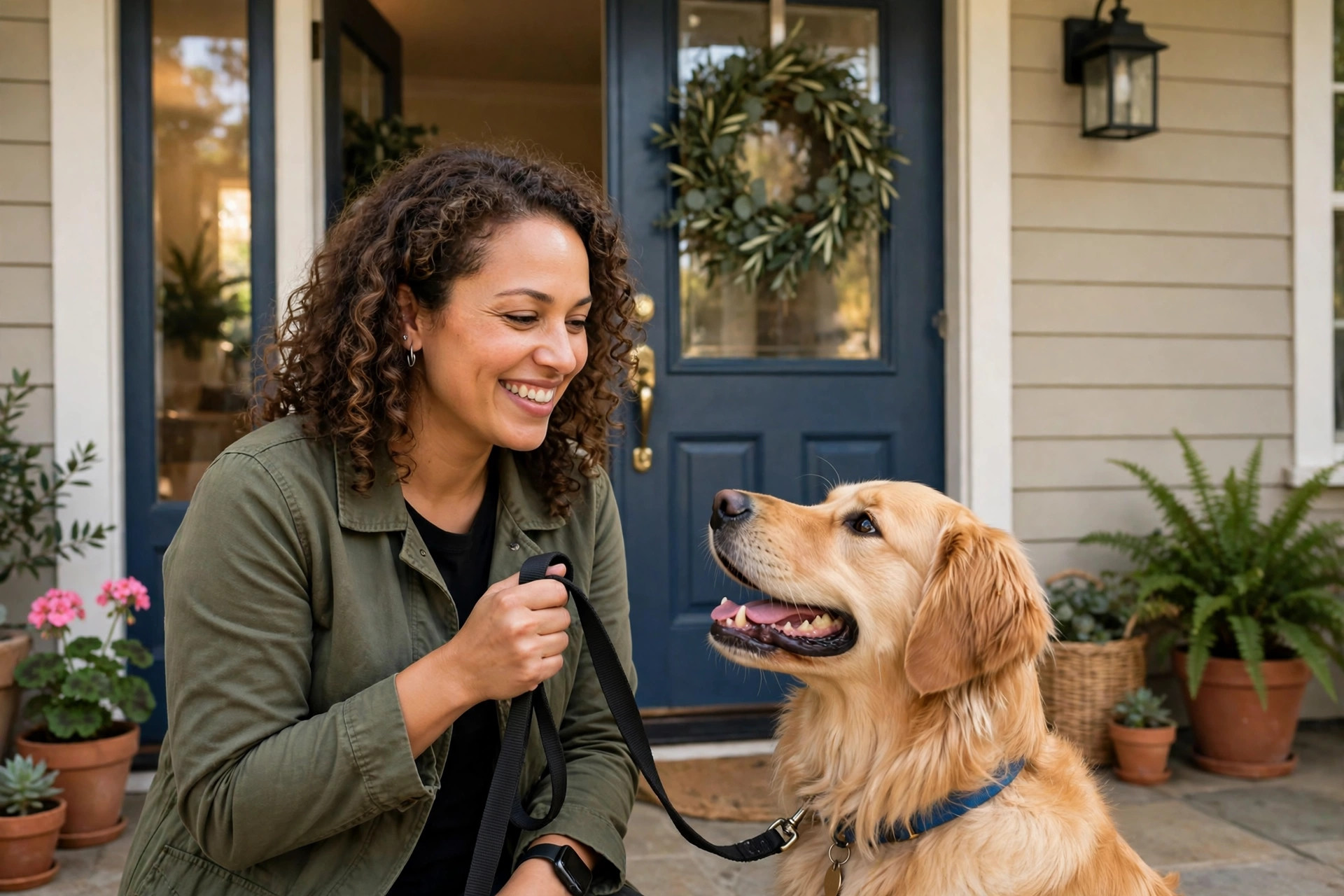
A good provider is glad to answer questions. Ask these before you pay anything, whichever option you choose:
Questions for a Boarding Facility
- Is someone on site overnight, including on the holiday itself?
- Which vet do you use for emergencies, and will you call my vet?
- How often are dogs taken out, and is group play optional or mandatory?
- Which vaccines and parasite prevention do you require, and when must they be given?
- Can I bring my pet’s own food, bed, and a familiar toy? Can staff give medications, and is there a fee?
- Do you send updates or photos, and what is the full price including holiday fees — plus the drop-off and pick-up hours on holidays?
Questions for a Pet Sitter
- Are you insured, and can you show proof? What happens if something goes wrong?
- Will you do a meet-and-greet first, and can I see references from other owners?
- How many visits a day will my pet get, and how long is each visit?
- What happens if you fall ill — who is your backup — and how will I hear how things are going?
- What is the holiday rate, deposit, and cancellation policy — in writing?
Red Flags to Watch For
Walk away if a facility will not let you tour where your pet sleeps, does not require vaccination records, keeps animals in overcrowded or dirty conditions, or has staff who seem uninterested in your pet’s needs. For a sitter, beware of no references, no insurance, no meet-and-greet, and no backup plan. Always visit first: a ten-minute walk-through tells you more than a website ever will.
Also Read: How Long Can You Leave a Cat Alone? Vet Guide (2026)
What About Cats?
Cats usually do better at home. Cats are territorial animals, and a boarding cattery adds the stress of an unfamiliar place, strange smells, and other animals on top of your absence. For most cats: a sitter visiting your home beats a house sitter, which beats a boarding cattery.
A healthy adult cat can be left alone for 8 to 12 hours comfortably, and up to 24 hours occasionally with a full setup — but never longer than 24 hours without someone visiting. For a weekend trip, arrange at least one daily drop-in; for trips of four days or more, book daily professional visits, ideally twice a day for anxious cats or multi-cat homes. Boarding makes sense for a cat mainly when the cat needs round-the-clock medical supervision that a sitter cannot provide. Whatever you choose, do a trial run first: leave your cat with the sitter or facility for a single day before a long trip.
Packing and Prep: Vaccines, Trial Stays and Paperwork
Most boarding facilities require proof of current vaccines before they will accept a booking, and sitters increasingly ask for the same. Common requirements for dogs are rabies, DHPP (the distemper-parvo combination), and Bordetella (kennel cough); some facilities also ask for canine influenza. For cats, rabies and FVRCP are the usual asks. Many facilities want vaccines given at least one to two weeks before the stay — and Bordetella often within the past six months — so do not leave this to the last minute.
Pack the same way for either option: your pet’s regular food, measured into portions, any medication with written dosing instructions, a familiar bed or blanket, one favorite toy, and a card with your vet’s number, an emergency clinic, and a trusted contact who can decide if you cannot be reached. Leave vaccination records with the provider, and tell them about any quirks — the dog that bolts through open gates, the cat that hides under beds when strangers arrive. A trial night before the holiday is the single best way to catch problems early.
Also Read: Pet Emergency First Aid: Vet Guide (2026)
Frequently Asked Questions
Is a pet sitter or boarding cheaper for the holidays?
For one healthy dog on a short trip, basic boarding is usually cheaper — about $30–$55 a night before the holiday surcharge. For two or more pets, or a trip of a week or longer, a sitter often comes out cheaper, because boarding charges per animal while a sitter charges per night or per visit.
How far in advance should I book holiday pet care?
As early as you can. For Thanksgiving and Christmas, book in September or October. By mid-November most reputable places are 70–80% booked for the peak Christmas week.
Is boarding stressful for dogs?
It depends on the dog. Social, confident dogs often treat boarding like summer camp. Anxious, reactive, or senior dogs can find the noise and new surroundings stressful — those dogs usually do better with a sitter at home. A trial night before the holiday shows you how your own dog reacts.
Do pet sitters stay overnight?
Some do. Drop-in sitters visit two or three times a day without staying over, while overnight and house sitters stay at your home for the whole trip. Overnight sitting costs more — typically $50–$100 a night — but gives your pet evening and morning company.
What vaccines does my dog need for boarding?
Most facilities ask for rabies, DHPP (distemper-parvo), and Bordetella (kennel cough), and some also require canine influenza. Vaccines usually need to be given at least one to two weeks before the stay, so check the facility’s exact list early.
Final Thoughts
So, pet sitter or boarding? For most holiday trips, the answer comes down to your pet, not the price list. A social, healthy dog will often love boarding; an anxious dog, a senior, a pet on medication, or a cat will almost always be happier with a sitter at home. Book early — the best providers fill up weeks before Thanksgiving and Christmas — tour the facility or meet the sitter first, ask the hard questions, and do a trial stay before the real trip.
Whatever you choose, choose it while you still have options. The worst holiday pet-care decision is the one made in a panic the night before you travel.
By Dr. Ayaz Ali