
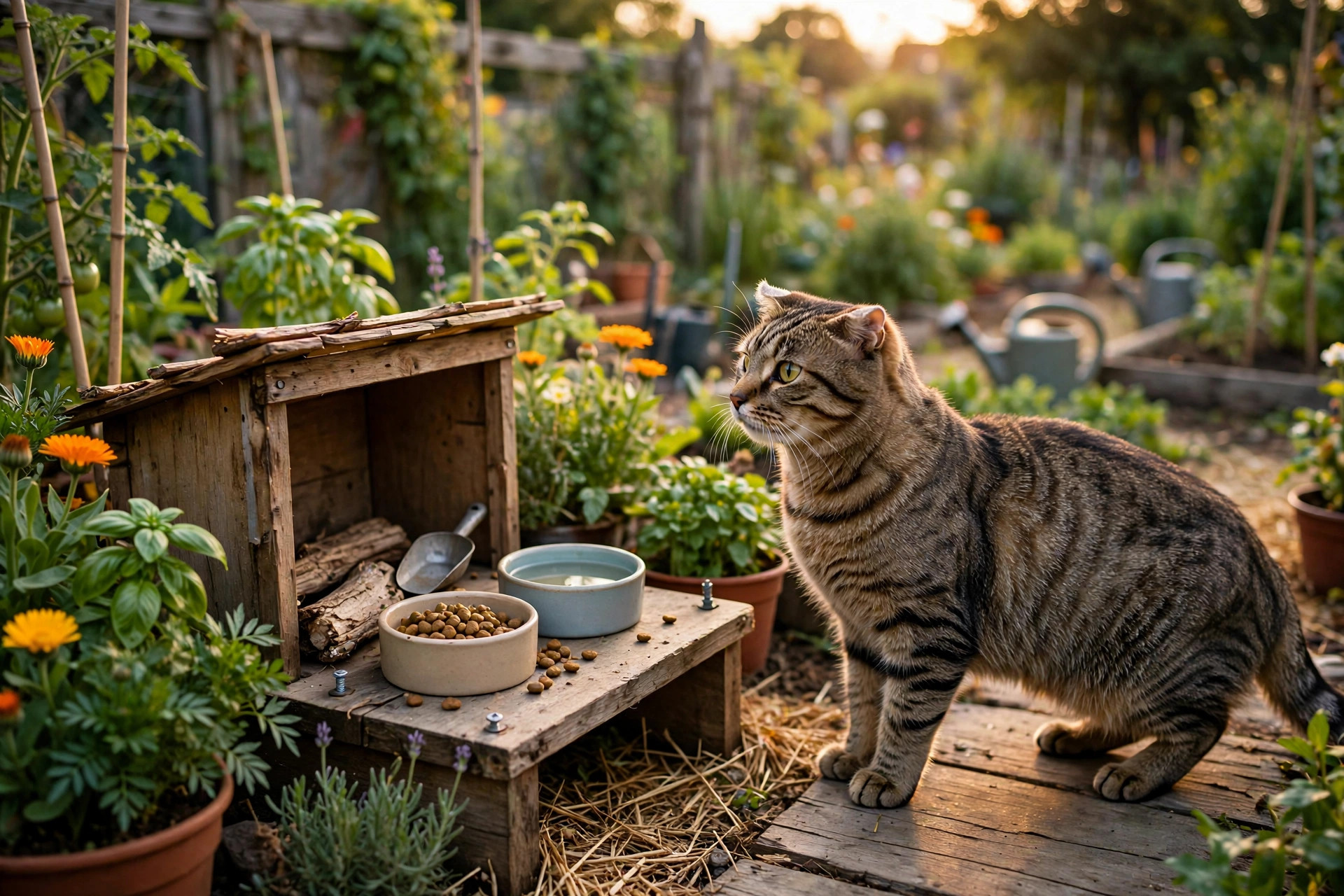
This Friday, October 16, cat lovers around the world will mark Global Cat Day 2026 — a day dedicated to the cats most people never see: the community cats living in our neighborhoods, alleys, and barn lots. Unlike holidays that celebrate pampered housecats, Global Cat Day is about action — spreading the word about humane Trap-Neuter-Return (TNR) programs and standing up for every cat’s right to live. If you’ve ever spotted a cat with a tipped ear on your street and wondered about its story, this guide covers what Global Cat Day 2026 means, how TNR works, and 8 simple ways you can help.
Table of Contents
- What Is Global Cat Day 2026?
- Global Cat Day vs National Cat Day: What’s the Difference?
- What Are Community Cats?
- What Is TNR (Trap-Neuter-Return)?
- Why TNR Works Better Than the Alternatives
- 8 Ways to Help Community Cats This Global Cat Day
- Global Cat Day 2026 FAQs
- Final Thoughts
What Is Global Cat Day 2026?
Global Cat Day 2026 falls on Friday, October 16. It is an annual day of action created and led by the advocacy organization Alley Cat Allies, observed on the same date as National Feral Cat Day. Supporters worldwide use the day to push for humane, non-lethal programs for cats — and to remind communities that cats are valued community members, not pests.
The heart of the day is the Global Cat Day Pledge, built on one principle: all cats have the right to live their lives. Alley Cat Allies calls on community leaders to abolish policies that result in cats being killed, to equip communities with lifesaving programs like TNR, and to change policies that threaten cats’ health and safety. The urgency is real: cats are killed in shelters more than any other animal in the United States, and Global Cat Day exists to change that, one community at a time.
Global Cat Day vs National Cat Day: What’s the Difference?
With two cat holidays in October, it’s easy to mix them up:
- Global Cat Day (October 16) focuses on community cats — unowned, free-roaming cats — and on humane population control through TNR. It’s an advocacy day: pledge, volunteer, educate, donate.
- National Cat Day (October 29) celebrates the bond between cats and their humans and promotes shelter-cat adoption. It’s a celebration day: play, pamper, adopt.
They’re two weeks apart and fully complementary — honor community cats on October 16, then celebrate your own cat on October 29.
Also Read: National Cat Day 2026: 9 Celebration Ideas (2026)
What Are Community Cats?
“Community cat” is the umbrella term for outdoor, unowned, free-roaming cats — living in neighborhoods, farmyards, and city alleys wherever they can find food and shelter. They fall into two groups, and the difference matters:
- Stray cats are domestic cats who were lost or abandoned. They were socialized to people at some point, may approach humans, and can often be rehomed.
- Feral cats are unsocialized cats born outdoors who avoid human contact and generally cannot become indoor pets — though kittens under about 8 weeks old can often still be socialized and adopted.
Both groups are covered by TNR programs. Importantly, simply removing cats from an area doesn’t work long-term: new unneutered cats move into the vacated territory and breeding starts again. That’s why TNR — not removal — is the mainstream, evidence-backed approach.
What Is TNR (Trap-Neuter-Return)?
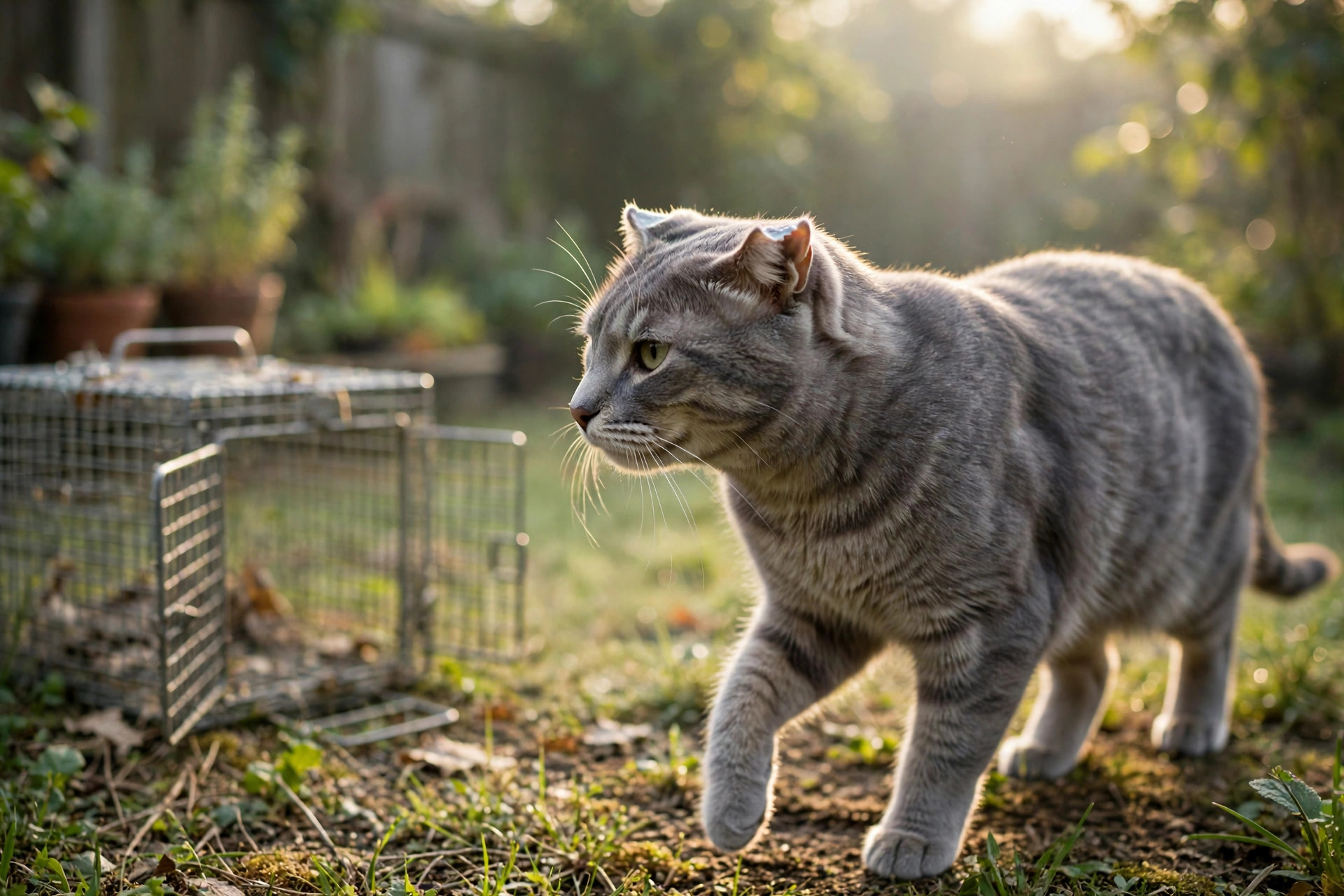
TNR — Trap-Neuter-Return — is the humane and effective method for managing community cat populations. Every step has a purpose:
- Trap: Community cats are humanely caught in live-release box traps and transported — still in the trap — to a spay/neuter clinic.
- Neuter (and vaccinate): Each cat is spayed or neutered, given core vaccinations such as rabies, and ear-tipped. The ear tip — removing about a quarter inch from the tip of the left ear — is the universal sign that a cat has already been through a TNR program, so no cat is ever trapped and operated on twice.
- Return: After a short recovery, each cat goes back to its outdoor home, where it lives out its life as part of a managed colony.
The results are well documented. Scientific studies show TNR ends the breeding cycle — no new kittens are born outdoors — which reduces shelter intake, euthanasia, and calls to animal services, saving taxpayer dollars. The ASPCA’s community cat programs show how local TNR packages work, including spay/neuter, vaccinations, and the identifying ear tip.
TNR also transforms daily life for the cats and their neighbors. After neutering, mating-driven nuisance behaviors — fighting, yowling, spraying, roaming — drop dramatically. Colony cats gain healthy weight, fight less, and live longer, especially when a dedicated caretaker provides steady food, water, and shelter.
Why TNR Works Better Than the Alternatives
For decades, the default response to community cats was trap-and-remove — catch the cats and euthanize them. The data shows this fails: only a small fraction of a population is ever caught each year, breeding outpaces removal, and new cats fill the emptied territory. By contrast, when an entire colony is neutered and cared for, the population naturally declines over time while the remaining cats live healthier, calmer, monitored lives. TNR ends the breeding cycle, improves welfare, and cuts community costs — without killing a single cat.
8 Ways to Help Community Cats This Global Cat Day
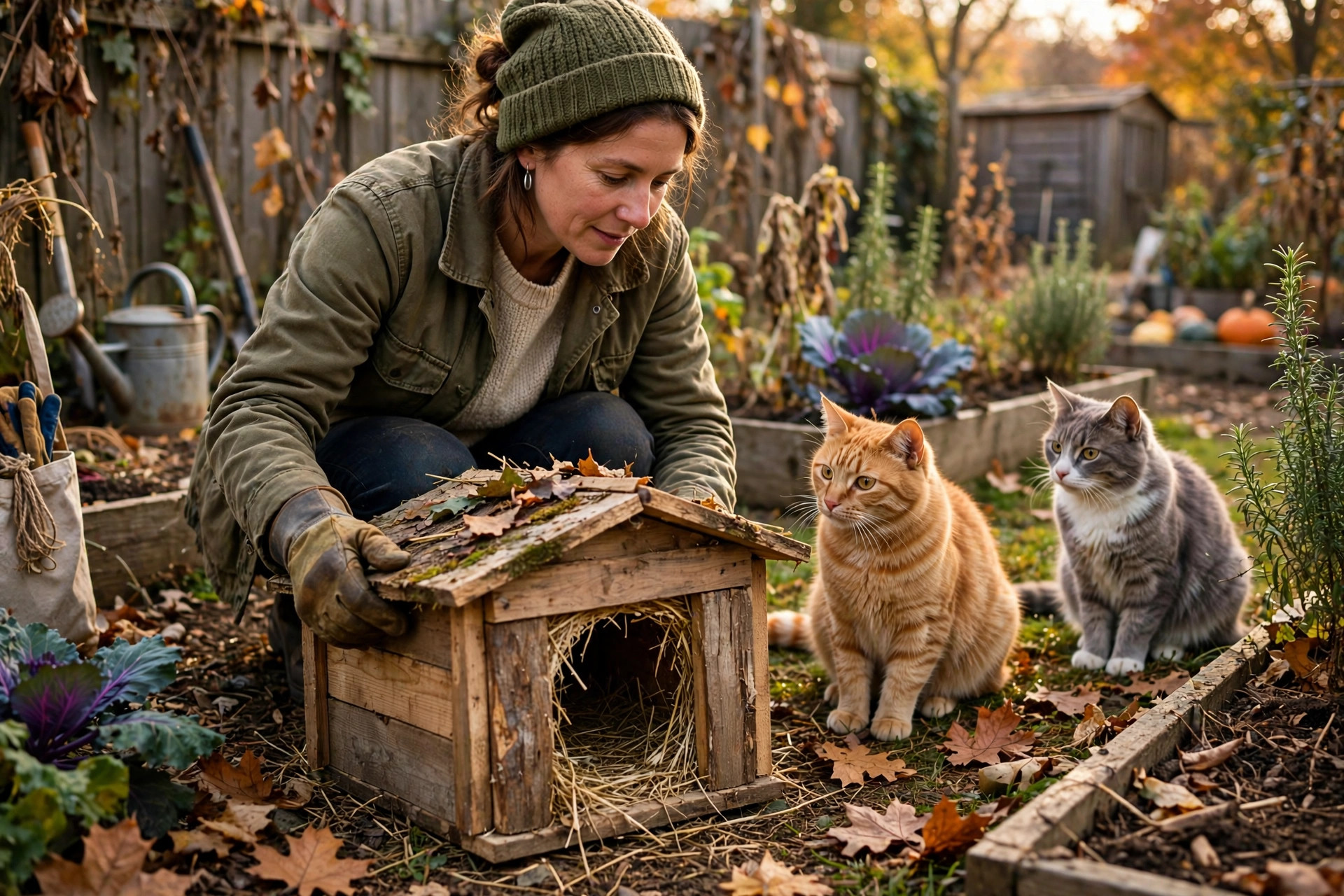
You don’t need a big budget to change cats’ lives. Eight concrete actions for Global Cat Day 2026:
1. Join or Support a Local TNR Program
The most impactful step. Contact your local shelter, humane society, or TNR group — many loan humane traps, offer low-cost spay/neuter appointments for community cats, and welcome volunteers to transport cats or monitor colonies.
2. Become a Colony Caretaker
Caretakers are the backbone of TNR: feeding on a consistent schedule, providing fresh water year-round, and watching for illness, injury, or newcomers. A small donation to a shelter often covers the full cost of one cat’s spay or neuter.
3. Build Winter Shelters Before the Cold Hits
Global Cat Day lands just as temperatures drop — ideal timing for simple insulated shelters made from storage bins and straw (never blankets, which freeze when damp). A dry, windproof shelter can be life-or-death for a community cat in winter.
Also Read: Autumn Pet Hazards: Fall Dangers for Cats (2026)
4. Foster or Adopt a Socializable Cat
Stray cats and young kittens found through TNR trapping can often become wonderful indoor pets. If you’re ready for a 15-to-20-year commitment, fostering frees up rescue space and adoption gives a socialized cat a home for life.
Also Read: First-Time Cat Owner Checklist: 12 Essentials (2026)
5. Donate to Spay/Neuter Efforts
Can’t trap or transport? Money still saves lives. Donate to a local TNR group or spay/neuter clinic in honor of Global Cat Day — even a modest gift funds vaccines, traps, and surgeries.
6. Advocate for Humane Policies
Ask community leaders to support TNR instead of trap-and-kill. Share the evidence: TNR reduces shelter intake and costs while trap-euthanize programs fail long-term. One letter or town-hall comment can shift local policy.
7. Educate Your Neighbors
Most people who dislike community cats simply don’t know what TNR is — or what the ear tip means. Share the facts with #GlobalCatDay: a tipped ear means the cat is neutered, vaccinated, and cared for, not neglected.
8. Fix and Protect Your Own Cats
Spay or neuter your own cats, keep them indoors or supervised outdoors, and microchip them. Every unneutered pet cat that roams outdoors can add dozens of kittens to the community cat population over its lifetime.
Global Cat Day 2026 FAQs
When is Global Cat Day 2026?
Global Cat Day 2026 is Friday, October 16, 2026 — observed every year on October 16, the same date as National Feral Cat Day.
Who started Global Cat Day?
Alley Cat Allies, the leading advocacy organization for humane treatment of all cats. The day centers on their Global Cat Day Pledge: the principle that all cats have the right to live their lives.
What does TNR stand for?
Trap-Neuter-Return: humanely trapping community cats, spaying or neutering them, vaccinating them, and returning them to their outdoor homes — the mainstream, evidence-backed approach to managing community cat populations.
What is an ear-tipped cat?
An ear-tipped cat has had about a quarter inch of its left ear tip surgically removed during a TNR procedure — the universal, permanent sign that a community cat has been spayed or neutered and vaccinated. If you see one, that cat is already cared for.
Can feral cats become indoor pets?
Adult feral cats are unsocialized and generally cannot adjust to indoor life. But stray cats (lost or abandoned pets) usually can, and kittens under about 8 weeks old can typically still be socialized and adopted.
Is Global Cat Day the same as National Cat Day?
No. Global Cat Day (October 16) is an advocacy day focused on community cats and TNR. National Cat Day (October 29) celebrates the human-cat bond and promotes shelter adoption. They complement each other perfectly.
Final Thoughts
So, what is Global Cat Day 2026? It’s this Friday, October 16 — a day to look beyond our own sofas and stand up for the cats living on the edges of our communities. Trap-Neuter-Return gives those cats something no other approach can: healthier, calmer lives while their populations shrink humanely over time.
You don’t have to do all eight things on the list. Pick one: learn your local TNR group’s name, build a winter shelter, donate the cost of one spay surgery, or tell a neighbor what that tipped ear means. Small actions, multiplied across millions of cat lovers, are exactly how Global Cat Day changes the world for cats.
By Dr. Ayaz Ali