
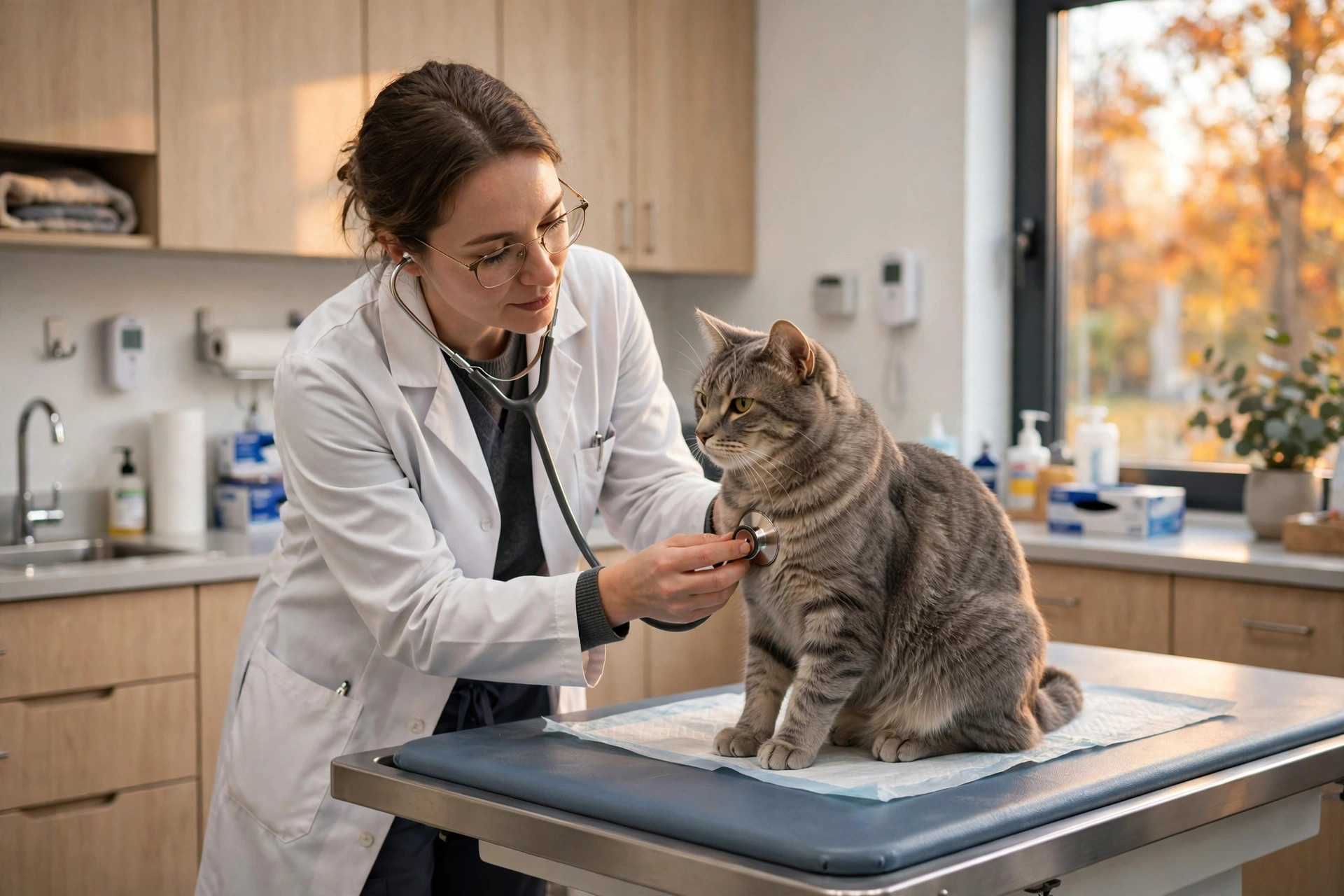
As the days get shorter and the first cold mornings arrive, most pet owners are thinking about sweaters and shorter walks. But there is one autumn task that matters more than any wardrobe change: a fall pet wellness checkup. A pre-winter vet visit is your chance to confirm vaccines are current, parasite prevention is still working, and your pet’s body is ready for the season ahead — before holiday travel, boarding, and winter weather make everything harder to schedule.
Veterinary colleges recommend regular wellness exams to catch problems in their earliest stages, when treatment options are widest. In this complete 2026 guide, you’ll learn what a fall wellness exam covers, the 10-point checklist to work through before winter, and the home steps that keep dogs and cats comfortable until spring.
Table of Contents
- Why Fall Is the Perfect Time for a Wellness Checkup
- What Happens During a Fall Wellness Exam
- The Fall Pet Wellness Checklist: 10 Things to Cover
- Parasite Prevention: Don’t Stop in Autumn
- How to Prepare for the Vet Visit
- Winterizing Your Home for Pets
- Warning Signs That Can’t Wait Until Winter
- Frequently Asked Questions
- Final Thoughts
Why Fall Is the Perfect Time for a Wellness Checkup
Timing matters. Autumn is the last calm window before winter boarding, holiday travel, cold snaps, and heating systems that dry out skin. A fall exam means your pet is protected, vaccinated, and stocked up on prevention before the busy season — and it gives your vet a baseline while your pet is still active, rather than comparing against a sluggish mid-winter version.
There are practical reasons too. Fall is prime season for boarding bookings (Thanksgiving through New Year’s), and most facilities require proof of current vaccinations, often including Bordetella for dogs. Tick exposure also peaks in autumn — ticks stay active until temperatures drop below about 4°C (40°F) — so a fall visit is your last chance to update flea and tick prevention. For senior pets, catching arthritis, dental disease, or weight changes now means starting support plans before cold weather makes symptoms worse.
What Happens During a Fall Wellness Exam
A wellness exam is far more than “just a checkup.” Here’s what your veterinarian typically covers, per veterinary teaching guidance including Oklahoma State University’s College of Veterinary Medicine:
- Nose-to-tail physical exam: eyes, ears, mouth and teeth, skin and coat, lymph nodes, heart and lungs, abdomen, joints, and nails.
- Vaccination review: your vet checks which core vaccines (rabies, distemper/parvo for dogs; FVRCP and rabies for cats) are due, and whether lifestyle vaccines (Bordetella, leptospirosis, feline leukemia) fit your pet’s exposure.
- Parasite prevention check: fleas, ticks, intestinal worms, and heartworm prevention for dogs — plus a fecal test to confirm nothing has slipped through.
- Weight and body condition: weighed, body-condition scored, and compared against previous visits so slow drift gets flagged early.
- Bloodwork for seniors: for pets 7 and older, screening blood panels can catch early kidney disease, diabetes, or thyroid problems long before symptoms appear.
This visit is also your moment to raise every small worry you’ve been saving up — the extra scratching, the changed appetite, the limp that disappears by morning. Nothing is too small for a wellness visit.
The Fall Pet Wellness Checklist: 10 Things to Cover
Use this checklist when you book and during the appointment:
| What to review | What to check | Why fall matters |
|---|---|---|
| Vaccines | Records and due dates for every vaccine | Boarding and travel over the holidays require proof of current vaccination |
| Parasite prevention | Flea, tick, heartworm, and intestinal worm doses | Ticks stay active through autumn; missed doses leave gaps |
| Weight and appetite | Body condition score and feeding portions | Pets gain “winter weight” too — set a baseline before indoor season |
| Skin and coat | Scratching, hot spots, dryness, shedding changes | Fall allergens and dry indoor air trigger skin flare-ups |
| Dental health | Tartar, gum redness, chewing changes | Dental disease worsens silently; book cleanings before year-end schedules fill |
| Ears | Odor, discharge, head-shaking | Fall moisture raises ear-infection risk in floppy-eared dogs |
| Joints and mobility | Stiffness after rest, reluctance on stairs | Cold weather makes arthritis worse — start support plans now |
| Medications | Refills, expiration dates, dose accuracy | Stock up before holiday clinic closures and winter storms |
| Microchip | Scan it and confirm registration details are current | Fireworks, holiday guests, and travel increase lost-pet risk |
| Senior screening | Bloodwork, blood pressure, urinalysis for pets 7+ | A healthy fall baseline makes winter health changes easier to spot |
Also Read: Is My Cat Overweight? Body Condition Guide (2026) — a vet-approved way to check body condition at home before your visit.
Parasite Prevention: Don’t Stop in Autumn
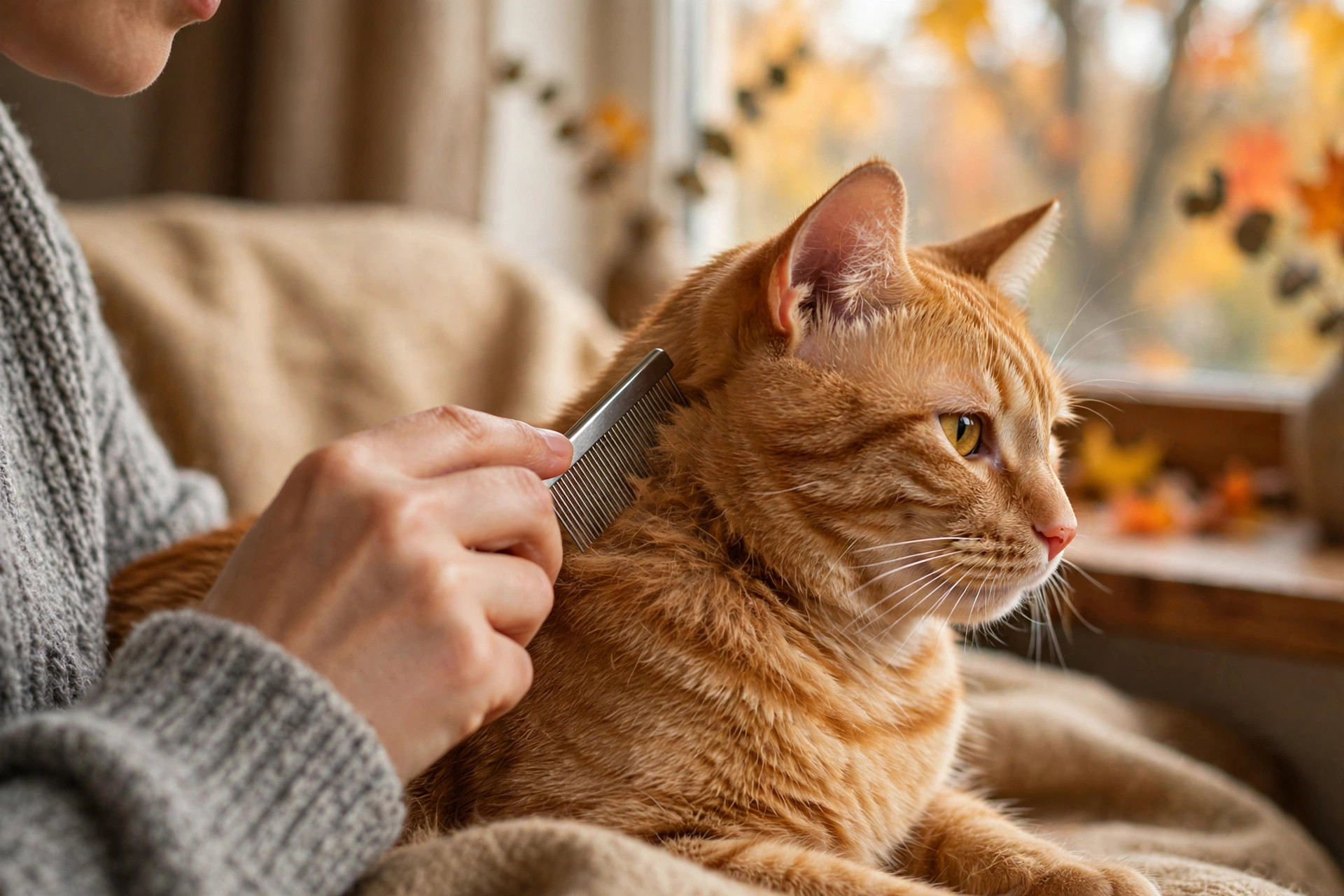
The biggest fall wellness mistake is stopping parasite prevention early. Fleas stay active until temperatures drop below about 8°C (46°F), and ticks keep questing even into winter thaws. Parasites your pet picks up in autumn ride indoors on their coat and wake up in your warm house, exactly when you’ve let your guard down.
Keep flea and tick prevention current all year unless your vet advises otherwise. After outdoor time, check your pet’s hot spots for ticks: between the toes, in and around the ears, under the collar, and around the tail base. For dogs in tick-heavy areas, ask your vet about a fall Lyme disease screening — catching tick-borne illness early makes treatment far simpler.
Also Read: Autumn Pet Hazards: Fall Dangers for Cats (2026) — mushrooms, acorns, antifreeze, and other seasonal dangers to pair with your parasite checks.
How to Prepare for the Vet Visit
- Bring records: vaccination certificates, past lab results, and the current list of medications, supplements, and preventives with doses.
- Note behavior changes: appetite, water intake, energy, litter-box habits, coughing, scratching, or limping — write them down, since details blur in the exam room.
- Know the diet: bring the exact brand, formula, portion size, and treat count. Nutrition advice is only as good as the information behind it.
- Ask about samples: some clinics ask you to bring a fresh fecal sample; call ahead so you arrive prepared.
- Plan for anxious pets: if your pet is vet-stressed, ask the clinic about low-stress handling options or calming protocols before the visit.
Winterizing Your Home for Pets

- Warm, draft-free bedding: move beds off cold tiles and away from drafty doors. Senior pets and short-haired breeds feel the cold first.
- Hydration: dry indoor air increases water needs. Keep fresh water available and consider a cat water fountain — many cats drink more from running water.
- Paw care: wipe paws after walks to remove mud, salt, and de-icing chemicals. Cracked paw pads are a common winter complaint.
- Visibility gear: as evening walks get dark, reflective collars and leashes keep dogs visible to traffic.
- Weight management: activity drops in winter while appetite doesn’t. Measure meals and keep up indoor play.
- Skin support: indoor heating dries skin. Regular brushing distributes oils, and a humidifier can help both pets and people.
Also Read: Senior Cat Checkups: 7 Vet Screenings for Cats Over 7 (2026) — the full screening guide for cats in their golden years.
Warning Signs That Can’t Wait Until Winter
Book an appointment now — don’t wait for the holiday rush — if you notice any of these:
- Sudden weight loss or gain without a diet change
- Increased thirst or urination (possible diabetes or kidney disease)
- Persistent scratching, hair loss, or hot spots
- Bad breath, drooling, or avoiding hard food (dental disease)
- Stiffness that worsens in cold weather or reluctance to jump
- Lethargy, coughing, or breathing changes
- New lumps, bumps, or non-healing sores
- Behavioral changes — hiding, vocalizing at night, or litter-box accidents
Frequently Asked Questions
How often should pets get a wellness exam?
Adult dogs and cats should see the vet at least once a year. Puppies and kittens need several visits in their first year, and senior pets (7 and older) benefit from checkups every six months.
When is the best time to schedule a fall pet wellness checkup?
October through November is ideal. It gives you time to update vaccines before holiday boarding or travel, refresh parasite prevention before deep winter, and set a healthy baseline before indoor season changes your pet’s activity and appetite.
What does a pet wellness exam cost?
Costs vary by clinic and region. A basic wellness exam typically runs $50–$100, with vaccines, fecal tests, and bloodwork adding $100–$300. Catching disease early through screening is far cheaper than treating it late.
Can I skip a vet visit if my pet seems healthy?
That is exactly when a visit matters most. Pets hide illness instinctively — by the time symptoms are visible, conditions like kidney disease or dental disease are often advanced. Wellness exams catch problems months before you’d notice them at home.
Do indoor cats need fall wellness checkups too?
Yes. Indoor cats develop dental disease, kidney disease, hyperthyroidism, and obesity just like outdoor cats — and their owners are often slower to notice because indoor cats rest most of the day. Annual wellness exams are how vets catch these silent conditions.
Final Thoughts
A fall pet wellness checkup is one of the simplest investments you can make in your pet’s health: one appointment in October or November, and your dog or cat enters winter vaccinated, protected, weighed, and screened — with a plan for anything the exam uncovers. Pair it with the at-home habits above (weekly skin-and-coat checks, warm bedding, paw care, measured meals), and you’re giving your pet the best possible start to the cold season.
So book the visit, bring your notes and questions, and let your vet establish the healthy baseline your pet deserves. Come January, you’ll be glad you did.
By Dr. Ayaz Ali