
If every walk with your dog feels like a tug-of-war, you’re not alone — learning how to stop dog pulling on leash is one of the most common goals dog owners search for. The good news? Pulling isn’t a character flaw or a sign of a “bad dog.” It’s simply a behavior your dog learned, and with consistent training, any dog can learn to walk politely on a loose leash.
In this trainer-approved 2026 guide, we’ll walk you through exactly why dogs pull, the step-by-step techniques that actually work (the “be a tree” method, reward timing, direction changes), the right gear choices, and the mistakes that keep the pulling going. No shock collars, no yanking — just positive, proven training.
Table of Contents
- Why Do Dogs Pull on the Leash?
- The “Be a Tree” Method: Stop When Your Dog Pulls
- Reward the Loose Leash: Pay for the Position You Want
- Change Direction: Penalty Yards for Persistent Pullers
- Choosing the Right Gear to Stop Leash Pulling
- How to Structure Your Training Walks
- 5 Common Mistakes That Keep Your Dog Pulling
- How Long Does It Take to Stop Leash Pulling?
- Can Puppies Learn Loose-Leash Walking?
- When to Call a Trainer or Your Vet
- Frequently Asked Questions
Why Do Dogs Pull on the Leash?
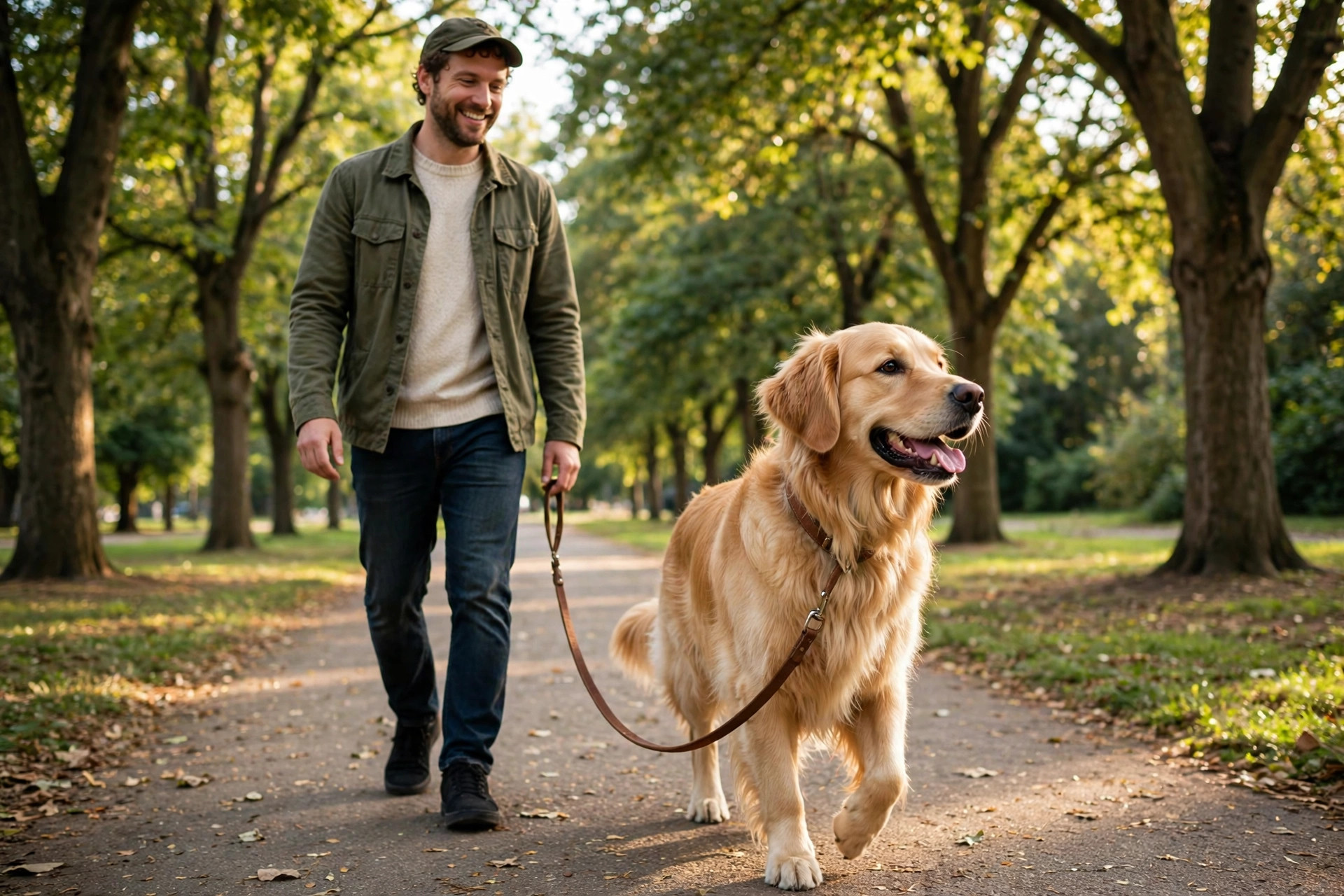
Dogs pull for one simple reason: it works. Every time your dog lunges forward and you follow, they get exactly what they wanted — the next interesting smell, the approaching dog, the park around the corner. Pulling is self-rewarding, and dogs repeat whatever gets them what they want.
There’s also biology at play. Dogs have what’s called an opposition reflex: when you pull on their leash, they instinctively pull back in the opposite direction. This is why yanking the leash or dragging a dog back rarely works — you’re literally triggering the reflex that makes them pull harder. It also puts pressure on your dog’s throat, which is uncomfortable and risky, especially for small breeds or dogs prone to trachea issues.
From your dog’s perspective, humans also walk far too slowly. Dogs explore the world at a trot, following scent trails. Add excitement, under-exercised energy, and the novelty of the outdoors, and pulling is the natural outcome — until you teach a better alternative.
The good news: the same mechanism that created the problem can fix it. If pulling stops producing forward movement and a loose leash starts producing rewards, your dog will choose the loose leash. That’s the entire foundation of loose-leash training.
The “Be a Tree” Method: Stop When Your Dog Pulls
The single most effective technique for stopping leash pulling is also the simplest: the moment the leash goes taut, you become a tree — plant your feet and stand completely still.
- Walk normally until your dog starts pulling and the leash tightens.
- Stop immediately. Don’t pull back, yank, jerk, or scold — just freeze.
- Wait patiently until your dog steps back or turns toward you and the leash goes slack.
- The instant there’s slack, mark it (“yes!” or a click), praise, and resume walking.
Your dog learns a clear cause-and-effect: pulling halts all forward progress, while a loose leash makes the walk continue. This is positive reinforcement at its purest — the reward is the walk itself continuing.
Fair warning: the first few sessions can feel painfully slow. You may stop every few steps, and a walk that normally takes 20 minutes might take an hour. That’s completely normal — your dog has spent months or years practicing pulling because it worked. You’re changing the rules, and they need time to figure out the new system. Persistence through this phase is everything.
Also Read: Separation Anxiety in Dogs: Signs, Causes & How to Help (2026) — pulling isn’t the only walk-related behavior problem; learn to tell anxiety apart from excitement.
Reward the Loose Leash: Pay for the Position You Want
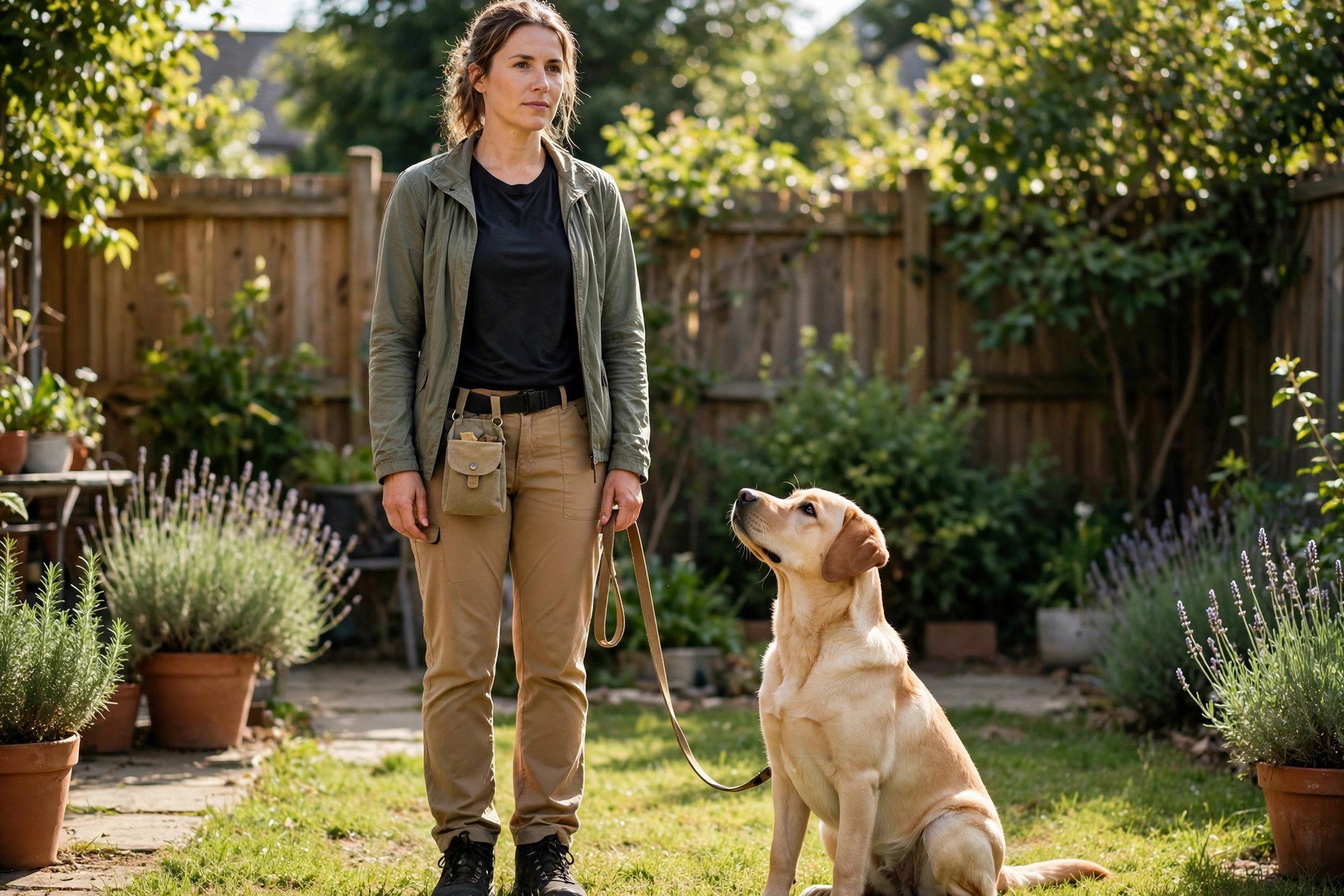
Stopping when your dog pulls only teaches half the lesson. You also have to pay generously for the position you want: your dog walking beside you with a loose leash.
The picture to aim for is the leash hanging in a soft “J” shape between you and your dog — slack, not a straight taut line. Every few steps of loose-leash walking, mark the moment with a cheerful “yes” and deliver a treat right at your side, near your leg. Rewarding at your leg makes “being next to you” valuable real estate.
Timing matters enormously. Reward the instant the leash stays slack, even if it’s only for one or two steps at first. In the beginning, the reward rate needs to be very high — a treat every 3–5 steps — so staying beside you is genuinely more rewarding than pulling ahead. Gradually stretch the gaps (every few steps, then every 10, then every block) as the behavior becomes reliable. Praise stays consistent forever, even after treats fade out.
Use high-value treats — small, soft, smelly ones your dog actually gets excited about (tiny bits of cooked chicken, cheese, or commercial training treats). A dry biscuit won’t compete with a squirrel. Keep treats in a waist pouch or pocket so you can reward instantly; a treat delivered five seconds late teaches nothing.
Change Direction: Penalty Yards for Persistent Pullers
For dogs that blow right through the “be a tree” stop, add a consequence beyond standing still: penalty yards.
When your dog pulls, stop, wait for the slack — then turn and walk several steps in the opposite direction before resuming your original path. Your dog just learned that pulling didn’t just fail to get them closer to their goal — it actively moved them farther from it.
Random direction changes also keep your dog’s attention on you instead of fixating on what’s ahead. Before a turn, say your dog’s name and a cue like “this way,” then reward when they follow. This builds engagement — a dog that’s checking in with you is a dog that isn’t dragging you down the sidewalk.
You can also use sniffing as a reward. Dogs need to explore, and walks don’t have to be rigid marches. After several steps of nice loose-leash walking, say “go sniff” and let your dog investigate a safe area. This teaches that staying connected to you earns freedom — sniffing becomes a “life reward” for polite walking, not something they have to pull to steal.
Choosing the Right Gear to Stop Leash Pulling
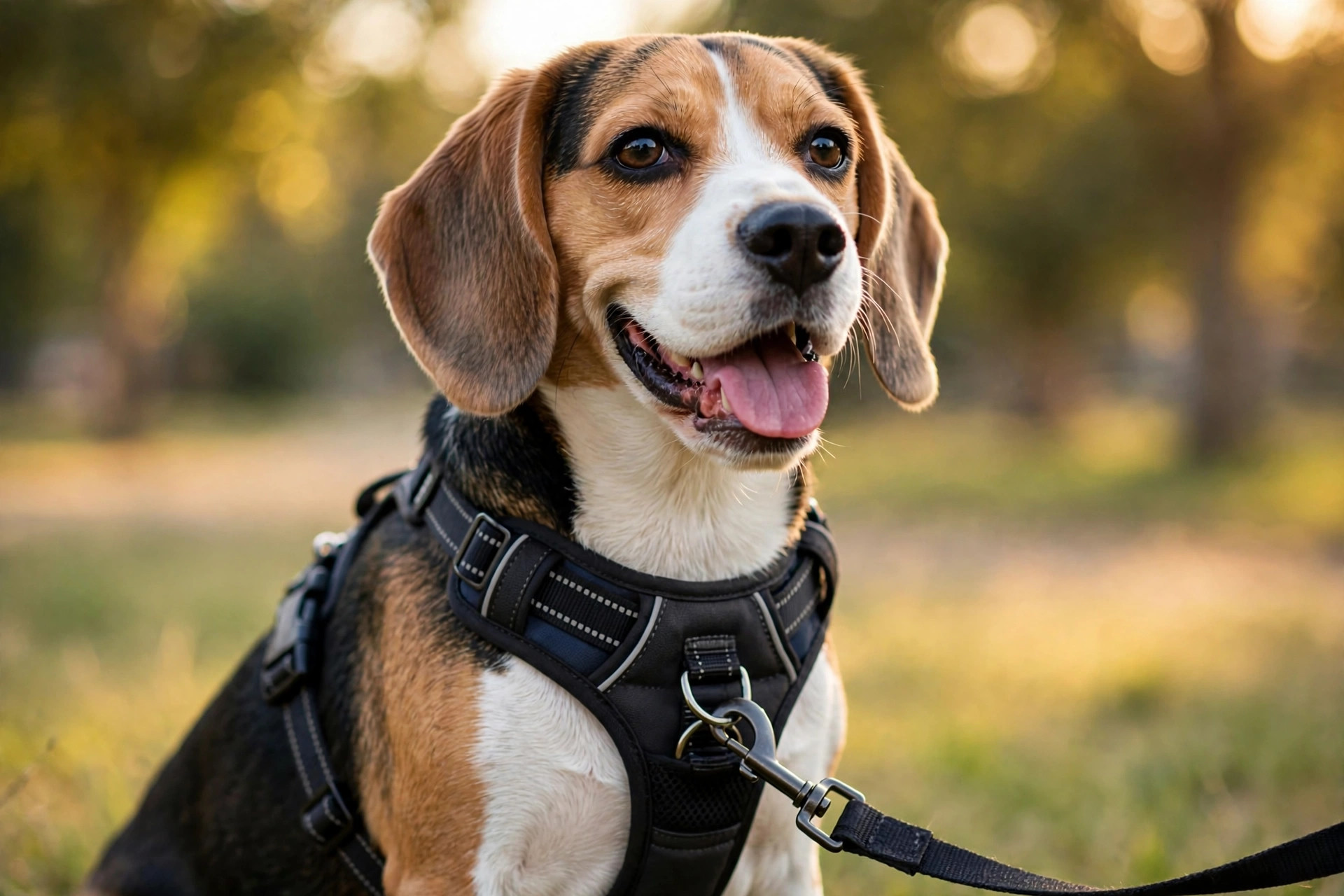
Gear won’t train your dog for you, but the wrong gear can make training much harder. Here’s what the experts recommend:
- Leash: A lightweight 6-foot (about 1.8m) flat leash. Avoid retractable leashes during training — they teach dogs that constant pressure earns more freedom, which is the exact opposite of what you’re trying to teach.
- Front-clip no-pull harness: For strong pullers, this is the best management tool. The leash attaches at the chest, so when the dog pulls, their body is gently redirected back toward you instead of powering forward. It doesn’t teach loose-leash walking on its own, but it makes training walks manageable.
- Standard harness vs. collar: Harnesses distribute pressure across the chest instead of the neck, which is kinder for pullers. For puppies especially, a harness avoids pressure on a developing trachea.
- Headcollars: For very strong or reactive dogs, a headcollar gives more control — but it requires careful fitting and positive introduction so the dog doesn’t find it aversive.
Important reality check: a front-clip harness reduces pulling mechanically, but the behavior typically returns the moment the harness comes off. Use gear as a management tool that makes training walks possible, not as a substitute for the training itself.
How to Structure Your Training Walks
Short, focused sessions beat long chaotic ones. Keep these principles in mind:
| Training Phase | Where | Goal |
|---|---|---|
| Week 1–2 | Indoors, hallway, quiet yard | Reward every few steps of loose-leash walking; learn “be a tree” |
| Week 3–4 | Quiet street, low-traffic times | Stretch reward gaps; add direction changes and “go sniff” breaks |
| Week 5+ | Busier routes, mild distractions | Maintain skills around distractions; fade treats, keep praise |
Always start in a boring place. A hallway or quiet backyard has almost no distractions, so your dog can succeed and you can build the habit. Only graduate to busier environments when your dog is reliable in easy ones.
Burn off energy first. A brief play session or 10 minutes of training games before the walk takes the edge off high-energy dogs, dramatically reducing pulling at the start of walks. And keep sessions short — 5 to 10 minutes of focused training, then relax the criteria and just enjoy the rest of the walk.
Consistency is the single biggest success factor. If you do “be a tree” on training walks but let your dog pull on rushed morning outings, you’re sending contradictory messages. Every person who walks the dog must follow the same protocol — get the whole household on board. Professional guidance backs this up: the American Kennel Club recommends exactly this combination of stopping when the dog pulls, rewarding slack-leash moments, and keeping training patient and consistent.
Also Read: Why Does My Dog Lean on Me? 5 Things Your Dog Is Trying to Tell You (2026) — walking nicely is communication; learn to read what your dog’s body language is really saying.
5 Common Mistakes That Keep Your Dog Pulling
1. Letting pulling slide “just this once”
The biggest killer of loose-leash training is intermittent reinforcement. If pulling works even one time in ten, your dog has a reason to keep trying — it’s the same psychology as a slot machine. Every walk must follow the same rules, or the training unravels.
2. Pulling back on the leash
When your dog pulls, the human instinct is to pull back. But the opposition reflex means your dog will simply pull harder. You end up in a tug-of-war the human usually loses — and your dog learns that leash tension is normal. Stop and wait instead of pulling.
3. Training only when your dog is already overexcited
Starting a training session at the dog park entrance is setting your dog up to fail. Practice in low-distraction environments first and only add difficulty when the skill is solid.
4. Skipping rewards or fading them too fast
Many owners stop treating the moment the dog has a good day, and the behavior fades. Fade treats gradually over weeks — from every few steps to every block — while keeping praise constant. Going from “treat every 5 steps” to “no treats” overnight is a recipe for relapse.
5. Walking the same overstimulating route every day
If your street has six fence-barking dogs and a squirrel convention, it’s not a training environment — it’s a final exam. Build the skill on boring routes first, then proof it against real-world distractions.
Also Read: Adopt a Shelter Dog Month 2026: What to Know Before Adopting — rescue dogs often arrive with zero leash manners; patience and this exact training plan make all the difference.
How Long Does It Take to Stop Leash Pulling?
With consistent daily practice, most dogs show significant improvement within 2–4 weeks. That’s the realistic window most trainers cite — not overnight, but not months either.
That said, several factors affect your timeline: how long the pulling has been practiced (a 5-year habit takes longer to undo than a puppy’s bad habit), the dog’s age and energy level, breed tendencies (scent hounds and terriers are naturally more driven to forge ahead), and — most of all — your consistency. Two short focused sessions a day will outperform one long frustrated walk.
Remember that loose-leash walking is a skill, not a switch. You’ll have great walks and sloppy walks. Progress isn’t linear, and bad days don’t mean the training failed — they mean your dog is still learning. Celebrate the wins: the first block walked on a loose leash, the first time your dog checked in voluntarily, the first stranger who says “your dog walks so nicely!”
Can Puppies Learn Loose-Leash Walking?
Absolutely — and puppyhood is the best time to start. Begin leash training as soon as your puppy comes home, even before they’re fully vaccinated and going on real walks. Just let them wear the harness with the leash attached indoors and reward them for staying close.
Keep puppy sessions very short — 2 to 3 minutes of training, several times a day. Puppies have tiny attention spans and are still learning that the leash is even a thing. Some puppies bite the leash at first; redirect calmly and reward them for ignoring it rather than making it a game.
The same techniques apply: reward slack-leash moments at your leg, stop when they pull, change direction, and keep it fun. A puppy that learns “staying near my human makes good things happen” grows into an adult dog that walks beautifully.
When to Call a Trainer or Your Vet
Most leash pulling responds beautifully to the techniques above. But consider professional help if:
- Your dog is so reactive on walks (lunging, barking, spinning) that you can’t practice the basics — this may be reactivity or fear, which needs a different approach.
- Your dog is strong enough that you can’t safely hold the leash — a certified trainer can work with you one-on-one before someone gets hurt.
- Pulling started suddenly in an older dog — sudden behavior changes can signal pain (neck, back, or joint issues), vision loss, or cognitive changes. A vet check is wise.
- Your dog panics, shuts down, or gets aggressive when the leash is handled — never force training through fear.
Look for a certified professional dog trainer (CPDT-KA) who uses positive-reinforcement methods. Avoid anyone who recommends shock collars, prong collars, or “dominance” corrections for pulling — these suppress the symptom while damaging the trust your training depends on.
Frequently Asked Questions
What is the fastest way to stop a dog from pulling on the leash?
The fastest reliable method is “be a tree” combined with high-frequency rewards: stop walking the instant the leash tightens, and treat at your side every 3–5 steps of loose-leash walking. Most dogs improve within 2–4 weeks of consistent daily practice. There is no instant fix — beware any method that promises one.
Do no-pull harnesses actually stop pulling?
Front-clip no-pull harnesses reduce pulling mechanically by redirecting your dog’s body when they forge ahead, which makes walks immediately more manageable. But they don’t teach loose-leash walking as a behavior — pulling usually returns on a regular collar. Use them as a management tool alongside real training.
Should I let my dog pull sometimes?
No. Intermittent pulling is the hardest pattern to extinguish — if pulling works even occasionally, your dog will keep trying. Every walk, and every person who walks the dog, needs to follow the same rules until the habit is solid.
Why does my dog pull only at the start of walks?
The beginning of the walk is the most exciting part — new smells, pent-up energy, the novelty of being outside. A short play session or training game before the walk burns off that initial burst and makes the start of the walk trainable.
Is it better to use a collar or harness for a dog that pulls?
A harness is generally safer for pullers because it distributes pressure across the chest instead of the neck. A front-clip harness adds steering control. Avoid choke chains and prong collars, which cause pain and can create fear and aggression problems that are far worse than pulling.
Can an older dog learn to stop pulling on the leash?
Yes. Older dogs can absolutely learn loose-leash walking — it just takes longer if the pulling habit is years old. The same techniques work; you simply need more patience. Rule out pain first, since arthritis or neck/back issues can make leash walking uncomfortable for senior dogs.
Final Thoughts
So, how do you stop dog pulling on leash? By changing the deal your dog thought they had: pulling no longer buys forward progress, and a loose leash buys everything — the walk continuing, treats, praise, and “go sniff” breaks. The “be a tree” stop, generous rewards for the position you want, direction changes for persistent pullers, and the right gear are the complete toolkit.
Start in a boring place, keep sessions short, burn off energy first, and get everyone in the household following the same rules. Within 2–4 weeks of consistent practice, most dogs transform from tow trucks into pleasant walking companions.
And on those slow training days when you’re standing still like a tree for the tenth time — remember that you’re not being stubborn. You’re teaching your dog the most useful skill they’ll ever learn on a walk: that walking with you is the best deal in the park.