
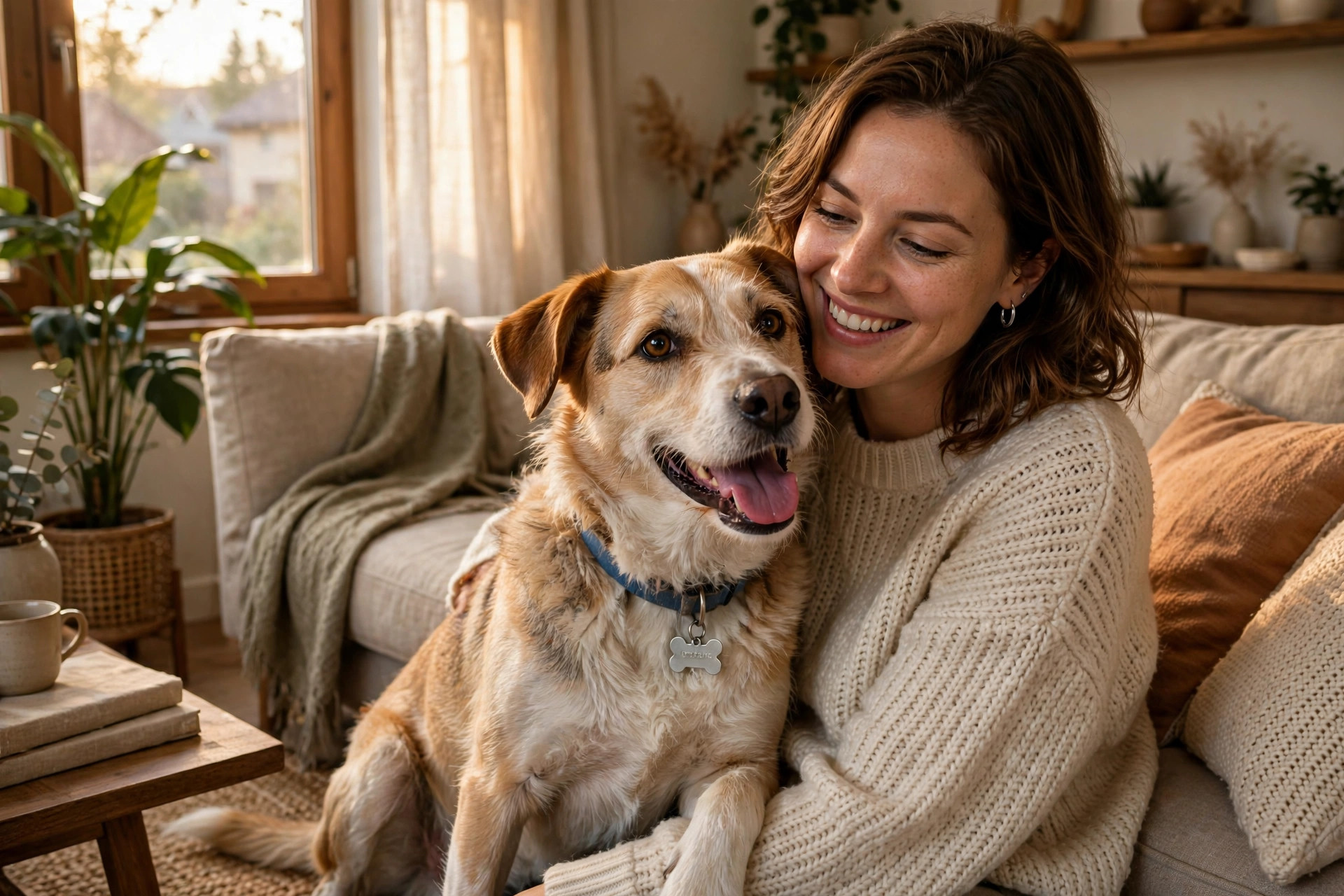
October is Adopt a Shelter Dog Month — the one month when shelters put their adoptable dogs front and center. If you’ve been thinking about a rescue dog, this is your moment: adoption events and fee discounts run all October.
But adoption is a 10–15 year decision, not a one-month impulse. In this 2026 guide: what Adopt a Shelter Dog Month is, the questions to ask the shelter, what adoption really costs, and how to give your rescue dog a smooth first week home.
Table of Contents
- What Is Adopt a Shelter Dog Month?
- Why Adopt a Shelter Dog? Benefits
- What to Ask the Shelter Before You Adopt
- Adopt a Shelter Dog Month: Cost Breakdown
- The First Week Home: Setting Your Rescue Dog Up for Success
- How to Celebrate Adopt a Shelter Dog Month (Even If You’re Not Ready to Adopt)
- Frequently Asked Questions
What Is Adopt a Shelter Dog Month?
Adopt a Shelter Dog Month is an annual October observance dedicated to raising awareness about the millions of dogs waiting in shelters and encouraging people to adopt rather than buy. It was first launched in 1981 by the American Humane Association, and today the ASPCA is its most prominent sponsor — running nationwide campaigns each October to spotlight adoptable dogs.
The need is real. An estimated 3.1 million dogs enter U.S. animal shelters every year, and roughly 2 million are adopted annually — leaving a meaningful gap of dogs still waiting for homes. Many shelters operate at or over capacity, especially in fall when stray intake stays high.
October is also a practical month to adopt: shelters and rescue groups run special events, waived or reduced-fee adoption days, and foster-to-adopt programs all month. If adoption has been on your “someday” list, Adopt a Shelter Dog Month gives you the nudge — and the best selection of events — to finally do it.
Why Adopt a Shelter Dog? Benefits
Shelter dogs aren’t damaged goods. Most land in shelters through no fault of their own — a family move, a divorce, or an unplanned litter. Here’s why adoption wins:
1. You Save a Life — Actually Two
Every adoption frees up a kennel spot, letting the shelter take in another dog that needs help. With roughly 3.1 million dogs entering shelters each year and only about 2 million adopted, every placement matters.
2. What You See Is What You Get
Unlike an 8-week-old puppy whose adult personality is a mystery, an adult shelter dog’s temperament, size, and energy level are already known. Shelter staff and foster families observe these dogs daily and can tell you exactly what kind of household fits them best.
3. Health Care Comes Included
Nearly all reputable shelters spay or neuter dogs before adoption, and most include core vaccinations, microchipping, and a health exam in the adoption fee — hundreds of dollars of care you’d buy separately elsewhere.
4. A House-Training Head Start
Many adult shelter dogs are already house-trained and have lived in homes before. You’re often skipping the chewed furniture, the 3 a.m. potty runs, and the teething phase entirely.
Also Read: Golden Retriever Breed Guide: Temperament, Care & Health (2026) — breed-specific rescues exist too, so your favorite breed may be waiting in a shelter right now.
What to Ask the Shelter Before You Adopt

When you find a dog you’re interested in, don’t just fall in love — gather information. Shelter staff may not know everything (many dogs arrive as strays), but what they’ve observed is gold. Ask these questions:
- What’s the dog’s history? Stray, surrender, or removed from a bad situation? The backstory explains fears and training needs.
- Has it had a temperament assessment? How does it react to strangers, children, other dogs, handling, food, and toys?
- What veterinary care has it received? Ask for records — vaccinations, spay/neuter, medications, known conditions — and whether a follow-up visit with your own vet is advised.
- What has it been eating? Learn the food brand, portions, and schedule. Keeping the same diet for the first week or two avoids digestive upset.
- How does it behave outside the kennel? See the dog on a walk or in a play yard on a separate visit. Kennel behavior misleads — barrier frustration often vanishes in a home.
- What does it do when left alone? The question staff say adopters almost never ask — and one of the best predictors of success. Compare the answer to your real schedule.
- What’s the return policy? Good shelters want lifetime placements and will take a dog back if it’s a genuine mismatch.
Also Read: Separation Anxiety in Dogs: Signs, Causes & How to Help (2026) — rescue dogs are at higher risk, so learn the early warning signs before day one.
Adopt a Shelter Dog Month: Cost Breakdown
Adoption isn’t free — but it’s dramatically cheaper than buying, and the fee buys real value:
| Expense | Shelter Adoption | Buying From a Breeder |
|---|---|---|
| Upfront fee/price | Typically a few hundred dollars or less — often reduced during October events | $1,000–$3,500+ for a pet-quality puppy |
| Spay/neuter + vaccinations + microchip | Usually included in the fee | $300–$800 purchased separately |
| First-year total (vet, food, supplies) | Roughly $1,000–$2,000 | Roughly $2,000–$4,000+ |
For authoritative adoption guidance, see the ASPCA’s Adopt a Shelter Dog Month campaign page.
The First Week Home: Setting Your Rescue Dog Up for Success

Rescue workers live by the 3-3-3 rule: give your new dog 3 days to decompress, 3 weeks to learn your routine, and 3 months to truly feel at home. The first week is the most fragile — here’s how to make it work:
1. Keep the First Days Calm
Resist the parade of visitors. Let your dog explore one or two rooms, show it the bed, the water bowl, and the yard, and then give it space. Sleep, sniffing, and doing nothing are all normal decompression behavior.
2. Stick to the Shelter’s Food and Schedule
Feed the same food, in the same amounts, at the same times — at least for the first week. New-home stress plus new food invites diarrhea. Transition to your preferred food gradually over 7–10 days afterward.
3. Start Alone-Time Training on Day One
Practice short, calm departures — step out for a minute, come back quietly, repeat — and pair exits with something great, like a frozen enrichment toy, so the dog learns that alone time predicts good things.
Also Read: What Is a Pupsicle? The Freezable Dog Toy Guide (2026) — a frozen enrichment toy is the perfect first-week tool for a new rescue dog.
4. Book a Vet Visit Within the First Week
Even with shelter health records in hand, get your own vet checkup within 7 days — it establishes a baseline and starts a relationship your dog will need for a decade-plus.
How to Celebrate Adopt a Shelter Dog Month (Even If You’re Not Ready to Adopt)
Not ready for a dog? You can still help this October: foster (frees a kennel spot and often leads to adoption), volunteer (dog walking, socializing, transport), share adoptable-dog posts, or donate money, food, or blankets. Ask your local shelter what it needs most.
Frequently Asked Questions
When is Adopt a Shelter Dog Month?
Every October. It was established in 1981 by the American Humane Association, and the ASPCA is its most prominent modern sponsor, running nationwide adoption campaigns each October.
How much does it cost to adopt a shelter dog?
Adoption fees typically run a few hundred dollars or less, often discounted during October events. The fee usually includes spay/neuter surgery, core vaccinations, microchipping, and a health exam — a package worth hundreds of dollars if purchased separately.
Are shelter dogs healthy?
Generally, yes. Reputable shelters perform health exams, vaccinate, spay or neuter, and disclose known conditions before adoption. Ask for the dog’s medical records and schedule your own vet visit within the first week home.
Are shelter dogs good with kids and other pets?
Many are — but it depends on the individual dog, not the kennel label. Ask staff specifically about behavior around children, cats, and other dogs, and have everyone in the household meet the dog before you commit.
How long does a shelter dog take to adjust to a new home?
Follow the 3-3-3 rule: about 3 days to decompress, 3 weeks to learn your routine, and 3 months to fully feel at home. Adult dogs often settle faster than expected once the routine clicks.
Should I adopt a puppy or an adult shelter dog?
Adult dogs are often the smarter choice for first-time owners: their size, energy level, and temperament are already known, and many are house-trained. Senior dogs are the least adopted and often the easiest, calmest companions.
Final Thoughts
Adopt a Shelter Dog Month is more than a feel-good hashtag — it’s the best annual window to bring a rescue dog home, with shelters running events and discounts all October. Around 3.1 million dogs enter U.S. shelters each year; adopting one doesn’t just change that dog’s life, it opens a kennel for the next dog in line.
Go in prepared: ask the shelter the right questions, budget honestly for the first year, and give your new dog the calm, patient first week it deserves. The 3-3-3 rule rewards patience — and on the other side of those three months is one of the most loyal companions you’ll ever know.