
You have probably seen it: your dog lifts a paw mid-walk, limps a few steps on the frozen sidewalk, then shakes it off and keeps going. Most owners chalk it up to the cold — but winter paw care for dogs is about far more than chilly feet. Road salt, ice melt, frozen ground, and icy slush can burn, dry out, and crack paw pads in a single walk, and the salt dogs lick off their feet can make them genuinely sick.
The good news is that protecting your dog’s paws in winter is simple once you know the routine. In this complete 2026 guide, we will walk through why winter is so hard on paw pads, the warning signs your dog’s feet are struggling, the truth about road salt and ice melt toxicity, how to choose between booties and paw balms, the post-walk cleaning routine vets recommend, and exactly what to do when pads crack or bleed.
Table of Contents
- Why Winter Is So Hard on Dog Paws
- 7 Signs Your Dog’s Paws Need Winter Care
- Road Salt and Ice Melt: The Hidden Dangers
- Paw Protection Before the Walk: Booties vs Balm
- The Post-Walk Paw Routine Vets Recommend
- Cracked Paw Pads: Home Care & When to Call the Vet
- 5 Winter Paw Care Mistakes to Avoid
- Frequently Asked Questions
Why Winter Is So Hard on Dog Paws
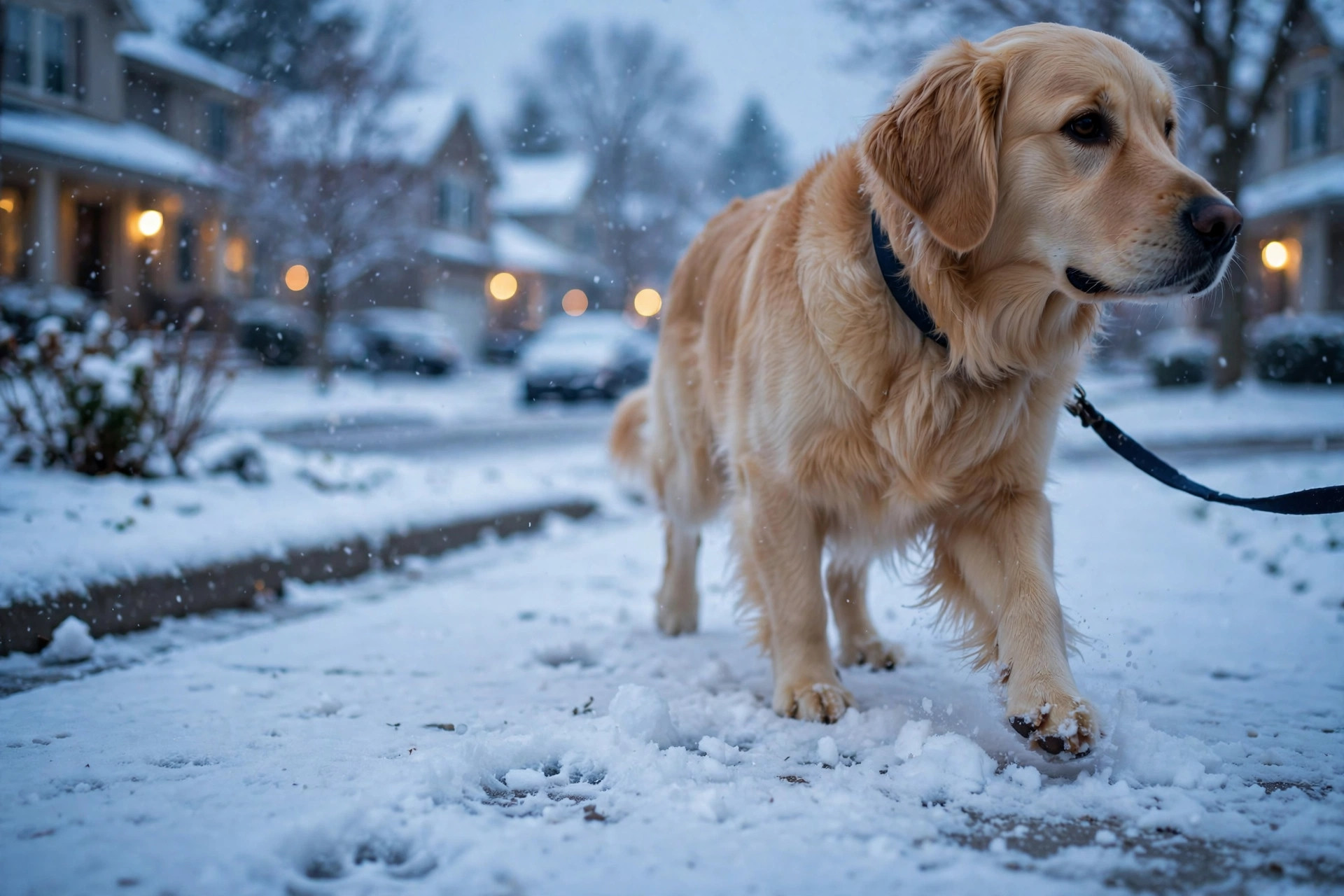
Dog paw pads are tougher than human skin, but they are not designed for repeated freeze-thaw cycles plus chemical de-icers. Here is what winter throws at your dog’s feet:
1. Cold, dry air and frozen ground
Indoor heating dries the air inside your home, and frigid outdoor air does the same outside. Constant cycling between the two pulls moisture out of paw pads, leaving them dry, rough, and prone to cracking — the same way your own hands crack in January. Frozen ground and hard ice are also abrasive, scraping and hardening pads over time.
2. Road salt and chemical de-icers
Salt (sodium chloride) and other ice-melting chemicals lower the freezing point of water, which makes sidewalks safer for people — but the resulting slush is caustic to dog paws. Direct contact dries pads, irritates the skin between the toes, and stings painfully if it gets into even a tiny crack. Even “pet-safe” ice melt products can cause vomiting, diarrhea, and dehydration if eaten, so they are gentler on paws but still not meant for stomachs.
3. Snowballing between the toes
Snow quickly compacts into hard ice balls between a dog’s toes and pads, especially on long-haired breeds. These ice balls are painful and can tear out tufts of hair when the dog pulls them out with its teeth — potentially leaving the dog to ingest de-icer chemicals stuck to the snow.
Also Read: Fall Pet Wellness Checkup Guide (2026) — the pre-winter vet visit that sets up healthy paws (and everything else) before the cold season.
7 Signs Your Dog’s Paws Need Winter Care
Dogs cannot tell you their feet hurt, but their body language speaks volumes. Watch for these warning signs after cold-weather walks:
- Lifting paws or limping — the classic “too cold or too painful” signal, especially on salted sidewalks.
- Excessive licking or chewing at the feet — often a sign of salt irritation, itching from dryness, or ice balls stuck between the toes.
- Dry, cracked, or flaky pads — rough texture or visible splits along the pad surface.
- Redness or inflammation between the toes — chemical irritation from salt or de-icer sitting on the skin.
- Bleeding cracks — deep splits in the pads that need prompt attention.
- Reluctance to go outside or cut walks short — a dog that loved winter walks but now wants to turn back is usually telling you its feet hurt.
- Bleeding, swelling, or a foul smell from a pad — signs of infection or a deep cut that needs a veterinarian, not home care.
Road Salt and Ice Melt: The Hidden Dangers
Most dogs do not intentionally eat road salt — but they do not have to. A dog that licks its paws clean after walking through a salted parking lot can ingest enough to cause digestive upset: vomiting, diarrhea, drooling, and abdominal pain. Larger amounts of ingested ice melt or rock salt can lead to salt poisoning, dehydration, and kidney problems — symptoms include excessive thirst, tremors, seizures, and disorientation.
The American Kennel Club advises owners to check carefully between the toes after walks, because salt and dirt accumulate there and underneath the nails, causing irritation that dogs then worsen by licking. For a detailed walkthrough of paw inspection and cleaning, see the AKC’s guide to caring for and cleaning dog paws.
Practical rules to stay safe:
- Never let your dog eat snow or drink from slushy puddles near treated roads — snow and meltwater carry chemicals and bacteria.
- Walk on fresh snow or grass where possible instead of heavily salted sidewalks.
- Use only pet-safe ice melt on your own driveway and paths (and keep even that out of reach — it is still not for eating).
- Keep antifreeze completely out of reach: its sweet taste tempts dogs, but ethylene glycol antifreeze can cause fatal kidney failure. Clean spills immediately.
Also Read: Fall Allergies in Dogs: Signs & Relief (2026) — if paw licking started in autumn rather than winter, seasonal allergies (not salt) may be the real cause.
Paw Protection Before the Walk: Booties vs Balm
The single most effective winter paw care for dogs is prevention: a barrier between the pad and the ground. Two options dominate — each with real strengths.
Dog booties: the best all-around shield
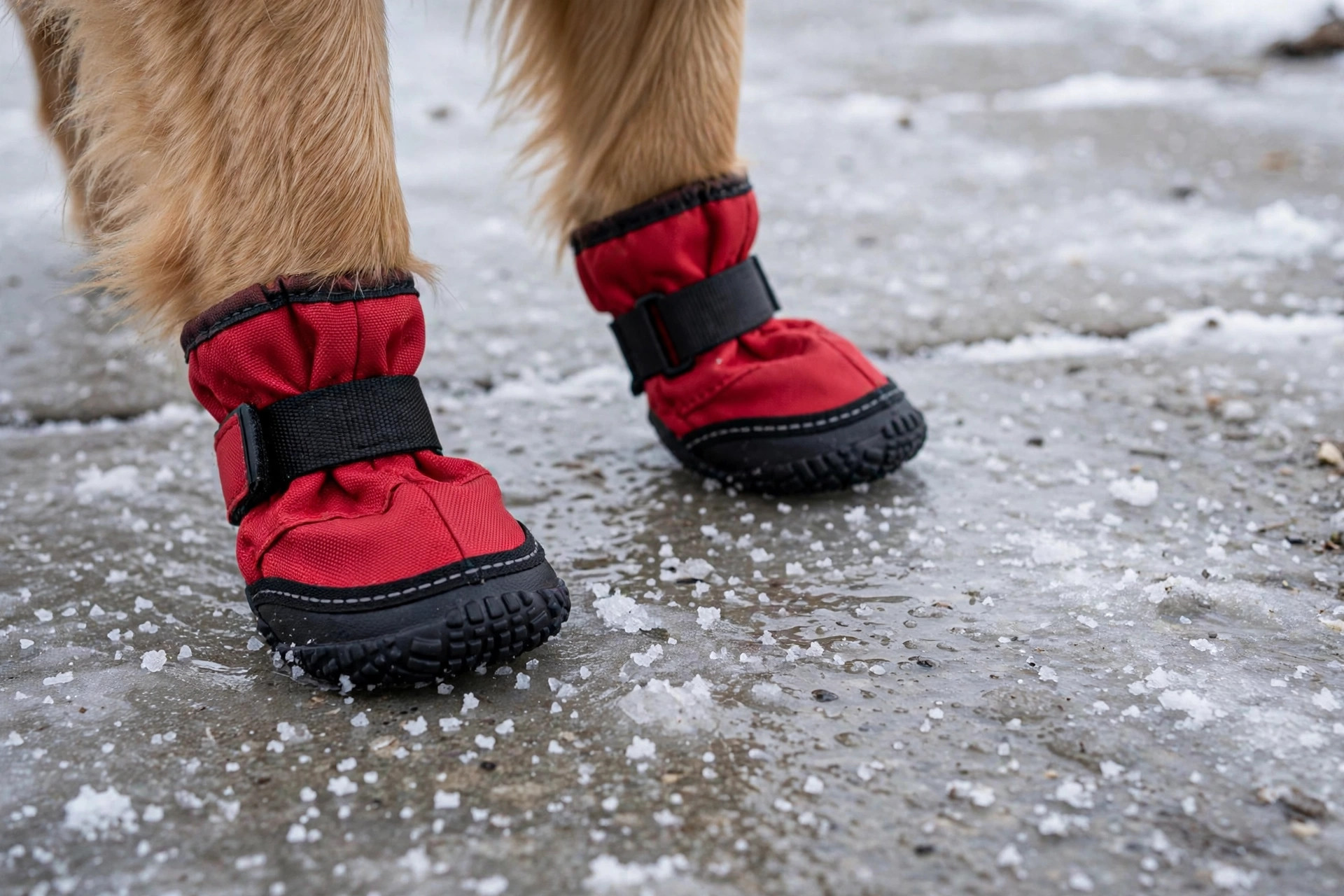
Booties physically block salt, chemicals, ice, and snow. Veterinarians consider them the gold standard for winter protection, especially for dogs that walk on heavily salted city sidewalks. Fit is everything: a bootie that stays on is the only kind worth buying. Introduce booties indoors for short sessions with treats and praise, and never tighten ankle straps so hard they cut off circulation — good blood flow to the feet matters even more in winter.
Paw balm and wax: the “invisible boot”
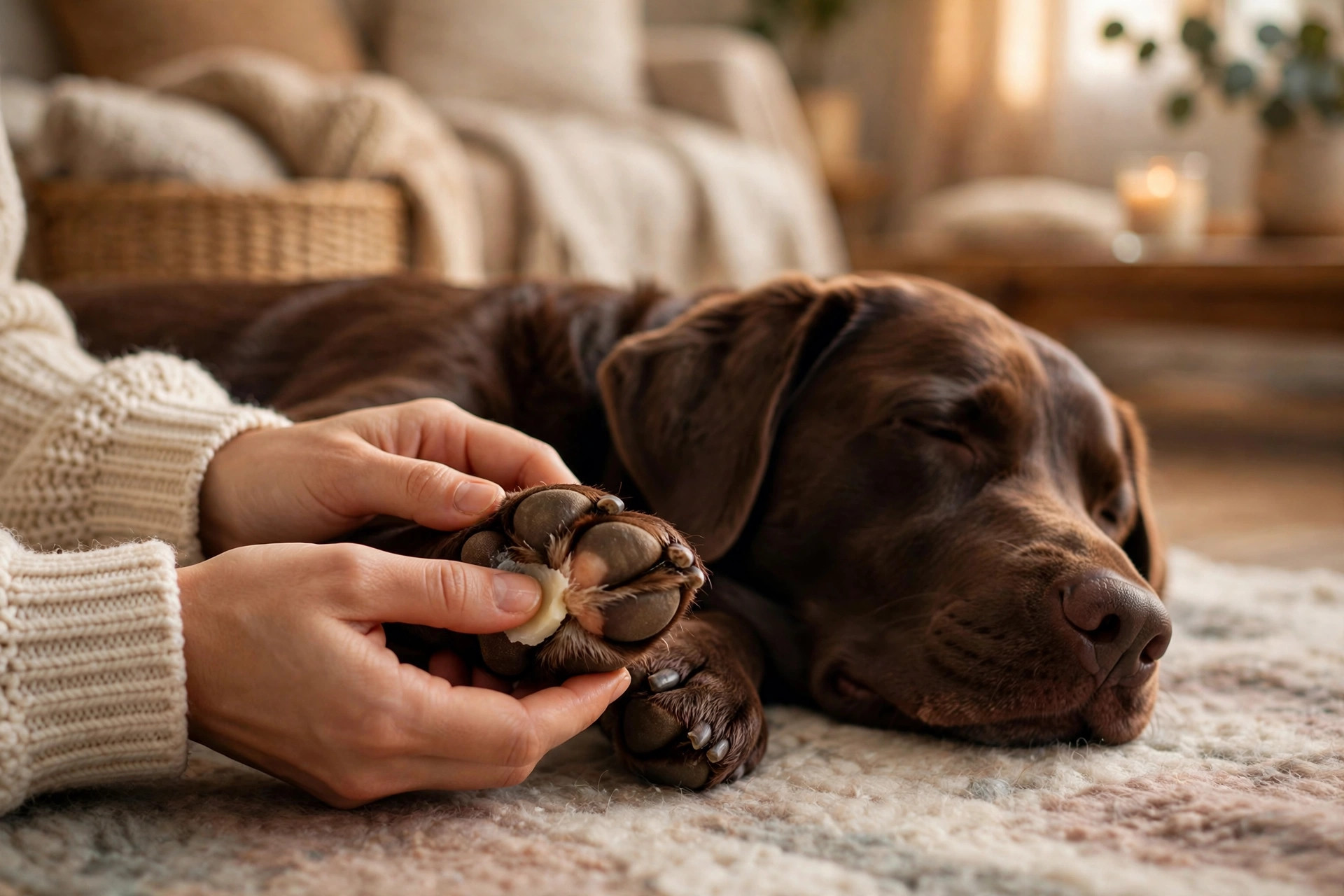
Paw balms and waxes (like the sled-dog favorite Musher’s Secret) create a thin protective layer on pads that shields against abrasives and chemical de-icers while keeping the pads supple. Unlike a moisturizer, wax is a barrier product — apply it before the walk, not just after. Balms are ideal for dogs that absolutely refuse booties, for short walks on lightly treated paths, and as a daily moisturizer through winter.
| Method | Best for | Watch out for |
|---|---|---|
| Dog booties | Heavily salted streets, deep snow, long winter walks | Must fit well; some dogs need gradual training |
| Paw wax/balm | Dogs that refuse booties, lightly treated paths, daily moisturizing | Needs reapplying; less protection on raw salt |
| Petroleum jelly | Quick backup barrier if you have nothing else | Wears off fastest; check your dog does not lick it off |
Also helpful: keep the hair between your dog’s toes trimmed in winter. Long tufts trap snow, speed up ice-ball formation, and hold salt crystals against the skin — a quick groomer or at-home trim makes a real difference.
The Post-Walk Paw Routine Vets Recommend
Whether or not your dog wore booties, what you do in the first five minutes home matters as much as any product. Follow this routine after every winter walk:
- Rinse or wipe immediately. Rinse paws in a shallow basin of lukewarm water (a portable paw washer works too) or wipe thoroughly with a damp cloth. Plain water is best — no soap needed for routine cleanings.
- Check between the toes. Part each toe gently and look for redness, debris, trapped salt, or ice balls. Dry thoroughly — moisture left behind invites irritation.
- Melt ice balls with warmth, not pulling. If snow is packed between the pads, massage the area with a warm (not hot) damp towel until it loosens. Never yank ice out — it can tear skin and hair.
- Dry completely. Use a clean towel on paws, legs, and belly. A quick toweling also protects your floors and keeps your dog from slipping on hardwood.
- Reapply balm. After washing, a thin layer of paw balm re-moisturizes pads and helps prevent the dry-crack cycle. This is also the time to do your daily pad check: look for new cracks, cuts, or tenderness.
- Keep a towel and paw wipes by the door. The routine only works if it is effortless — make the setup part of your entryway so it becomes automatic.
Also Read: Hot Spots on Dogs: Causes, Treatment & Home Care (2026) — chronic paw licking from winter irritation can turn into hot spots, so catch it early.
Cracked Paw Pads: Home Care & When to Call the Vet
Despite the best prevention, pads sometimes crack. Minor dryness and shallow surface cracks usually respond well to home care — but deeper damage needs a veterinarian.
Safe home care for minor cracks
- Clean gently with lukewarm water and pat dry — never scrub a cracked pad.
- Moisturize daily with a dog-safe paw balm. Products made for dogs are formulated for pad skin pH and are safe if your dog licks a little off; avoid human lotions, which are not.
- Limit rough walks for a few days so the pad can heal — stick to short outings on soft ground or snow.
- Consider socks or booties on the healing paw to keep it clean during walks, and remove them indoors so air reaches the skin.
- Run a humidifier at home. Dry indoor air in winter dries pads from the inside out — a humidifier helps both your dog’s pads and your own skin.
Call your vet if you notice
- Bleeding cracks that do not stop, or cracks deep enough to see tissue beneath the surface
- Swelling, pus, foul odor, or heat — signs of infection
- Limping or refusing to put weight on a paw
- Heavy licking or biting at one paw (your dog may need an e-collar to stop self-trauma)
- Behavior changes, fever, or lethargy alongside paw trouble
- Any suspected salt poisoning: vomiting, diarrhea, excessive thirst, tremors, or disorientation — treat as urgent
At the clinic, your vet may clean the paw, prescribe antibiotics for infection, provide pain relief, and bandage the foot for protection. Never bandage a paw yourself — wrapping too tight cuts off circulation.
5 Winter Paw Care Mistakes to Avoid
- Skipping the post-walk wipe “because the walk was short.” Salt contact of any length irritates and invites licking — wipe every single time.
- Using human moisturizer on cracked pads. Human lotions, fragranced creams, and essential oils are formulated for different skin and can be harmful if licked. Dog-safe balms only.
- Pulling ice balls out of the fur. Yanking tears skin and hair. Melt them out with a warm towel instead.
- Bandaging a hurt paw at home. Home wraps are easy to make too tight, cutting off circulation in feet that already have reduced winter blood flow. Leave bandaging to your vet.
- Shaving your dog down to the skin in winter. A longer coat provides insulation; just trim the tufts between the toes to prevent snowballs. The warm coat also means the body can keep sending blood to the extremities.
Frequently Asked Questions
Is road salt dangerous for dogs?
Yes. Direct contact dries and irritates paw pads, and licking salted paws can cause digestive upset — or, in larger amounts, salt poisoning with vomiting, diarrhea, excessive thirst, tremors, and in severe cases seizures or kidney damage. Wipe or rinse paws after every walk on salted surfaces.
Are dog booties really necessary in winter?
They are the best protection available, especially on salted city streets — but they are not mandatory for every dog. A dog-safe paw balm plus a strict post-walk rinse routine works well for shorter walks on lightly treated paths. Choose based on your local conditions and your dog’s tolerance.
Can I put Vaseline on my dog’s paws?
A thin layer of plain petroleum jelly can serve as a quick backup barrier before a walk if you have nothing else. It wears off fast, so dog-specific paw waxes and balms are better for daily use — and only use it under supervision, discouraging licking.
How often should I apply paw balm in winter?
Apply a thin layer before winter walks as a barrier, and again after the post-walk rinse to re-moisturize. For dogs with very dry pads, a nightly application through the coldest months helps prevent cracking.
Why does my dog keep chewing ice out of his paws?
Ice balls form between the toes as snow compacts during the walk — they are painful, so dogs chew them out, sometimes tearing hair and ingesting de-icer chemicals. Prevent them by trimming inter-toe hair, applying paw wax before walks, and checking paws during longer outings.
When should I call the vet about my dog’s paws?
Call your vet for bleeding or deep cracks, swelling or discharge (infection signs), limping, heavy licking that does not stop, or any sign of salt poisoning such as vomiting, diarrhea, excessive thirst, or tremors. Most paw injuries worsen the longer they wait.
Final Thoughts
Winter paw care for dogs does not require fancy equipment or a big budget — it takes consistency. Protect before the walk with booties or balm, rinse the moment you are home, check those pads daily, and treat small cracks before they become big problems. Your dog’s paws carry it through every season; give them a little extra attention through winter, and those four feet will stay healthy until spring.
And remember: no home-care guide replaces your veterinarian. If a crack bleeds, a limp appears, or you suspect salt poisoning, call your vet — fast action is what keeps a sore paw from becoming an emergency.
By Dr. Ayaz Ali