

There’s a reason the Labrador Retriever sat at the top of America’s most-registered dog breeds for three straight decades: this friendly, food-loving athlete is the ultimate all-rounder. This Labrador Retriever breed guide gives you the full, honest picture — not just the highlight reel.
Below: temperament, size, exercise, grooming, feeding, health, and real costs — everything you need to decide if a Lab fits your life.
Table of Contents
- Labrador Retriever Breed Guide: At a Glance
- Labrador Retriever Temperament & Personality
- Exercise & Training: Keeping Up With a Sporting Breed
- Grooming & Shedding
- Feeding Your Labrador Retriever
- Labrador Retriever Health Issues to Know
- What Does a Labrador Retriever Cost?
- Labrador Retriever Puppies & Breeder Tips
- Is a Labrador Retriever Right for You?
- Frequently Asked Questions
Labrador Retriever Breed Guide: At a Glance
| Trait | Details |
|---|---|
| Origin | Newfoundland, Canada (refined in England); AKC recognized 1917 |
| AKC group | Sporting |
| Size | Males 22.5–24.5 in, 65–80 lbs; females 21.5–23.5 in, 55–70 lbs |
| Lifespan | 10–13 years |
| Coat | Short, dense, water-resistant double coat; black, yellow, or chocolate |
| Energy level | High — needs 1–2 hours of real exercise daily |
| Temperament | Friendly, outgoing, intelligent, eager to please |
| Good with kids/pets | Excellent with both |
| Guard-dog ability | Poor — too friendly with strangers |
| Best for | Active families, sporty singles, first-time owners with time to spare |
Don’t let the name fool you: Labradors descend from the St. John’s water dog of Newfoundland, where fishermen used them to retrieve lines from icy water. British sportsmen refined them into today’s retrievers — explaining the water-resistant coat, otter-like tail, and webbed feet.
Labrador Retriever Temperament & Personality
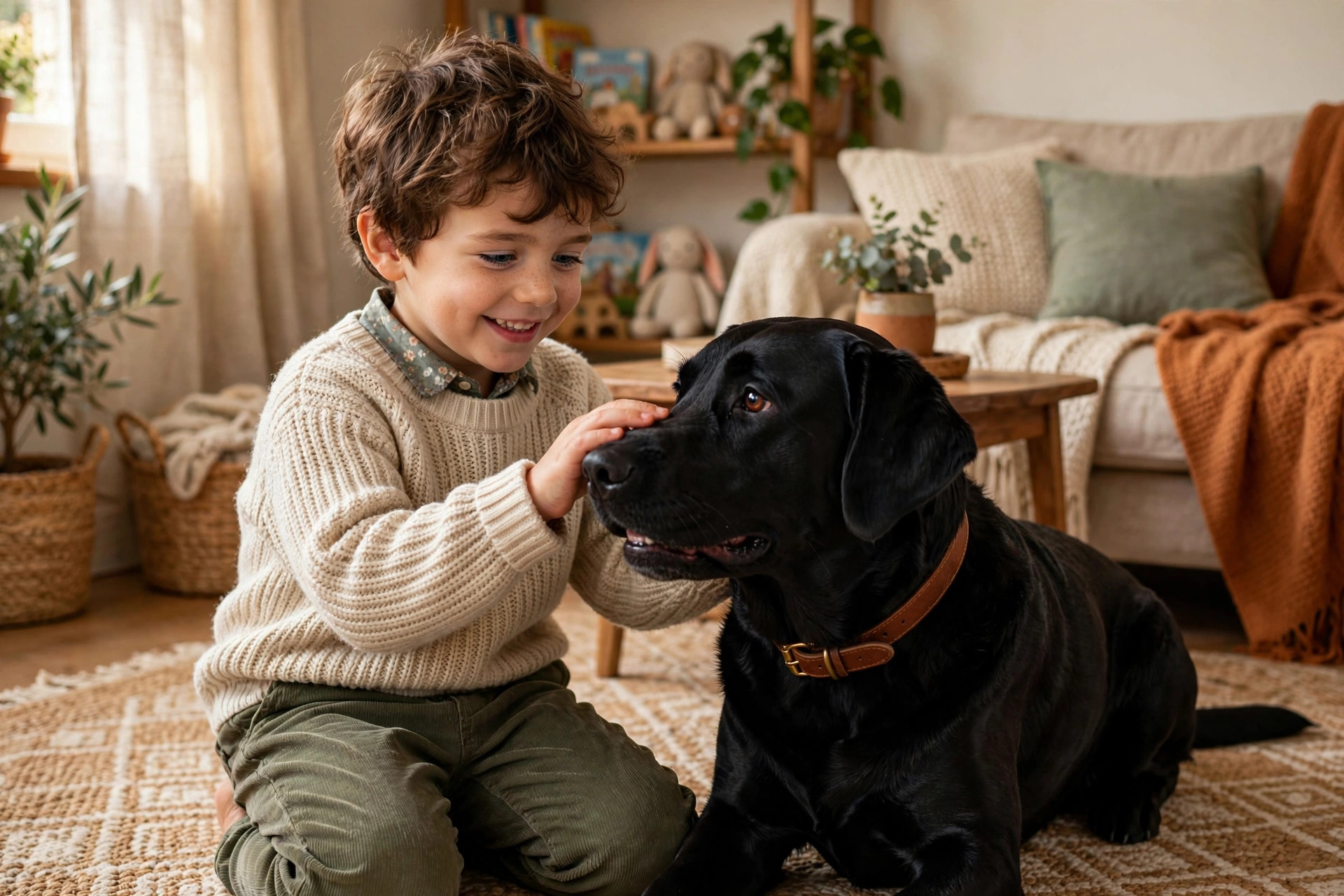
The AKC describes the Labrador temperament in three words: active, friendly, and outgoing — and that’s exactly what living with one feels like.
1. Friendly to a Fault
Labs greet strangers, visitors, and the delivery driver with roughly equal enthusiasm. Wonderful family companions, but hopeless guard dogs — a Lab’s idea of security is wagging its tail until the “intruder” throws the ball.
2. Intelligent and Eager to Please
Labrador Retrievers are among the most trainable breeds on earth. Their food motivation and desire to work with people make them the go-to breed for guide dogs, search-and-rescue teams, and detection work. A bored Lab will invent its own job — usually involving your furniture or counter.
3. Patient and Gentle With Kids
The breed’s “soft mouth” (bred to carry game birds undamaged) and tolerant nature make Labs one of the best family dogs available — great with children, dogs, and even cats. Just know they bond hard and hate being left alone for long stretches, which can turn into separation anxiety.
Also Read: Golden Retriever Breed Guide: Temperament & Care (2026) — how the Lab’s closest rival compares.
Exercise & Training: Keeping Up With a Sporting Breed
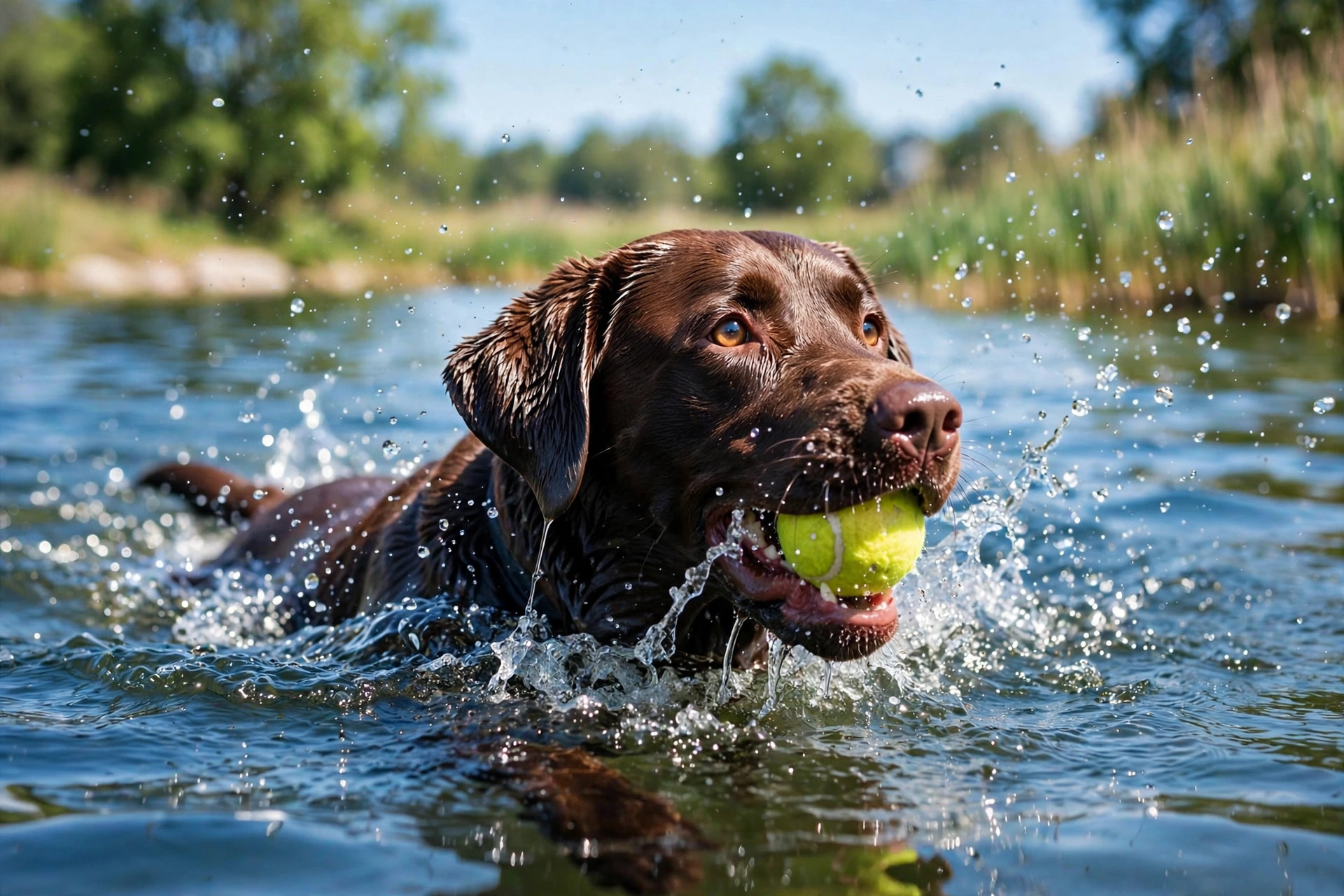
Labs are high-energy sporting dogs: a healthy adult needs 1–2 hours of real daily exercise — walks, fetch, swimming, hiking, or dog sports like dock diving and agility. Swimming is the perfect Lab workout.
Training Tips That Work for Labs
- Start early and stay positive. Labs respond brilliantly to treats, praise, and play. Keep sessions short.
- Nail recall and loose-leash walking. An 80-lb Lab that pulls is no joke — start leash work in puppyhood, before the strength arrives.
- Survive the long puppyhood. Labs stay boisterous well into their second year. Crate training, puppy socialization, and good management (nothing chewable at dog height) get you through it.
Because Labs are so food-motivated, “leave it” and “drop it” are survival skills, not optional extras — Labs will swallow socks and corn cobs at alarming rates.
Also Read: Best Fetch Toys for Dogs 2026: National Fetch Day Guide — the right toys for a fetch-obsessed Lab.
Grooming & Shedding
The surprise that catches new Lab owners off guard: this short-coated breed sheds heavily — year-round, with bigger blow-outs in spring and fall. If you can’t live with hair on your clothes and furniture, this isn’t your breed.
- Brush weekly with a rubber curry brush or undercoat tool; brush daily during seasonal blow-outs.
- Bathe every 6–8 weeks; over-bathing strips the coat’s natural oils.
- Clean and dry the ears after swimming. Floppy ears trap moisture and invite infection.
- Trim nails every 3–4 weeks and brush teeth regularly.
Never shave a Labrador — the double coat regulates temperature in heat and cold, and shaving damages it without reducing shedding.
Feeding Your Labrador Retriever
Feed a high-quality, balanced food for your dog’s age — with measured portions, never free-feeding. Most Labs carry a mutation in the POMC gene that keeps them feeling hungry, so they can’t self-regulate.
A typical adult Lab eats roughly 2.5–3.5 cups of dry food per day, divided into two meals — but follow your veterinarian’s guidance over any generic chart. A slow feeder bowl is one of the best cheap upgrades you can buy: it stretches a 30-second gulp into a calm, minutes-long meal.
Treats should stay within the 10% treat rule. Obesity worsens nearly every health problem Labs are prone to, so keep your Lab lean — you should be able to feel (but not see) the ribs.
Labrador Retriever Health Issues to Know
Labs are generally sturdy, but the breed carries several well-documented health risks:
1. Hip and Elbow Dysplasia
These genetic joint disorders cause pain and arthritis. Responsible breeders screen hips and elbows (OFA or PennHIP) — always ask for verifiable results.
2. Obesity
The big one. A large share of pet Labs are overweight, driven by the POMC hunger gene plus generous owners. Extra weight worsens joint disease and shortens lifespan — keeping your Lab lean is the single most powerful health intervention you control.
3. Eye Conditions
Progressive retinal atrophy (PRA) and cataracts occur in the breed; breeders should provide current eye clearances for both parents.
4. Exercise-Induced Collapse (EIC)
A genetic condition in which affected Labs collapse after intense exercise in the heat. A DNA test exists — reputable breeders test for it.
5. Ear Infections
Floppy ears plus a love of water equals frequent ear infections — dry those ears after every swim.
Schedule vet checkups at least annually (twice a year for seniors). For authoritative breed details, see the AKC’s guide to whether a Labrador is right for you.
What Does a Labrador Retriever Cost?
| Expense | Typical Range |
|---|---|
| Puppy from a reputable breeder | $800–$2,500 (higher for show/field lines) |
| Adoption / rescue fee | $100–$450 |
| First year (vaccines, spay/neuter, gear, training) | ~$2,000–$3,000 |
| Ongoing annual costs (food, vet, insurance, toys) | $1,500–$3,000 |
The price reflects the breeder’s investment in health screening, socialization, and vet care — be deeply suspicious of “cheap, no papers” puppies, which often bring hidden health risks and big bills later.
Labrador Retriever Puppies & Breeder Tips
If you decide on a Lab, choose your source carefully. A responsible breeder provides written health clearances (hips, elbows, eyes, EIC DNA) for both parents, raises puppies in a home with early socialization, and offers a written health guarantee (typically 1–2 years for genetic conditions). Good breeders screen buyers too — they ask about your home and lifestyle.
Also consider Labrador-specific rescues: adult Labs regularly need homes, and an adult’s temperament, size, and health are already known quantities — a genuine advantage if you’re nervous about the chaotic puppy years.
Is a Labrador Retriever Right for You?
A Lab is a great fit if: you’re active and can provide 1–2 hours of exercise daily; you want a gentle, trainable family dog that’s great with kids and other pets; you’re home often enough that the dog isn’t alone all day; and you can accept heavy shedding plus the discipline of measured feeding.
Reconsider if: you’re away 10+ hours a day; you live in a small apartment with no exercise plan; you want a low-shedding or hypoallergenic breed; you want a guard dog; or you’re not prepared to be the one who says “no” to those pleading food-eyes every single day.
Frequently Asked Questions
Are Labrador Retrievers good family dogs?
Yes — they’re among the best. Labs are patient, gentle, and tolerant with children, highly trainable, and usually great with other pets. The trade-offs are high energy, heavy shedding, and lifelong food obsession.
Do Labradors shed a lot?
Yes — heavily, year-round, with bigger blow-outs in spring and fall. Brush weekly (daily in blow-outs); never shave the double coat.
How much exercise does a Labrador need?
About 1–2 hours of daily exercise for a healthy adult — walks, fetch, swimming, or hiking — plus training and mental enrichment.
Are Labradors easy to train?
Yes — among the easiest, thanks to intelligence, food motivation, and eagerness to please. Start early; the bouncy phase lasts well into year two.
How long do Labrador Retrievers live?
10–13 years on average. Keeping your Lab lean, well-exercised, and on a vet-monitored health plan gives it the best shot at the long end of that range.
What is the difference between English and American Labs?
Same breed — show-line (English, stockier) vs field-line (American, leaner, more energetic). Field-line Labs need even more exercise.
Final Thoughts
If you want a friendly, devoted, endlessly trainable companion and you’re ready to match its energy — daily exercise, weekly brushing, measured feeding, and proactive vet care — few breeds reward you like a Lab. Just go in with open eyes: accept the shedding, commit to the exercise, insist on health-tested parents, and keep the treat jar locked.
By Dr. Ayaz Ali