

You walk into the kitchen in the morning and there it is on the doormat: a dead mouse, presented with great pride by a cat who is clearly expecting praise. If you have ever wondered why does my cat bring me dead animals, you are not alone — it is one of the most-asked questions in cat behaviour, and the answer is far kinder than it looks.
The short version is that your cat is not trying to disgust you, and she is not being cruel. She is following an ancient hunting instinct, and bringing prey home to the one place she feels completely safe: your house. In this 2026 guide, we explain the real reasons cats bring dead animals home, what the “gift” theory gets wrong, what to do safely when it happens, the health and wildlife risks to know about, and how to reduce hunting without punishing your cat.
Table of Contents
- The Hunting Instinct: Why Cats Hunt Even When Fed
- The Real Reasons Cats Bring Prey Home
- Is It Really a Gift? The Myth vs the Science
- What to Do When Your Cat Brings You a Dead Animal
- What If the Prey Is Still Alive?
- Health and Wildlife Risks of Hunting
- How to Reduce Hunting Without Punishing Your Cat
- When to Worry: Signs to Call the Vet
- Frequently Asked Questions
The Hunting Instinct: Why Cats Hunt Even When Fed
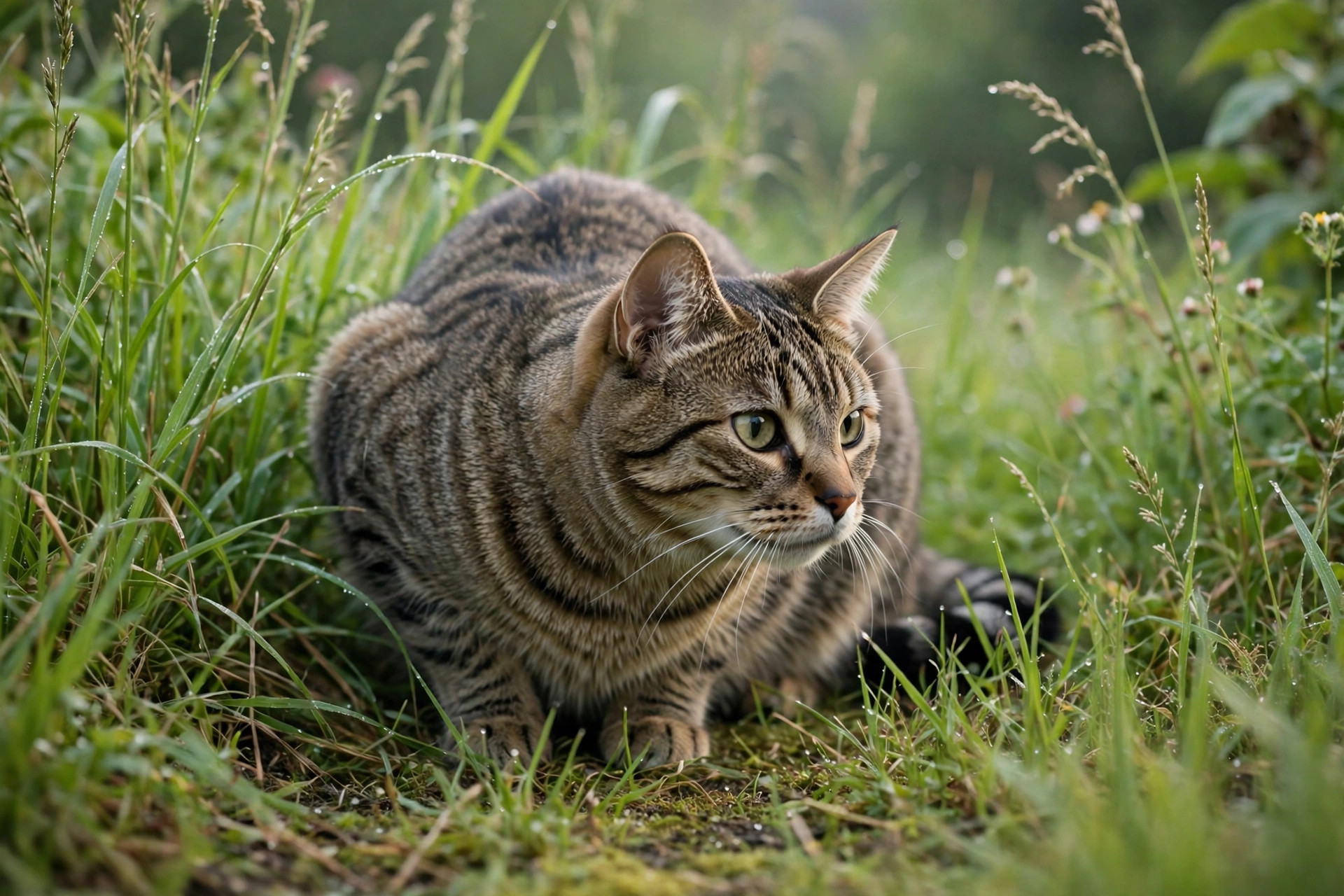
Cats are obligate predators with a hunting sequence wired into their brains: orient, stalk, chase, pounce, catch, and kill. That sequence does not switch off when the food bowl is full. A well-fed cat will still stalk a fluttering leaf, chase a shadow, and — if she goes outdoors — hunt mice, birds, and other small prey. Hunger is only one trigger; movement, stealth, and the thrill of the chase are triggers all on their own.
This is why scolding a cat for hunting never works. You cannot train away an instinct that evolved over millions of years, any more than you could train a cat not to knead or groom. What you can do is manage where that instinct goes — which we cover below.
Veterinary sources including PetMD note that this gift-giving behaviour is as instinctual for cats as scratching and grooming, and that it is actually a positive indicator of how a cat feels about her people — even though owners understandably want it to stop.
Also Read: Why Do Cats Love Boxes? Science Explained (2026) — boxes satisfy the same ambush-hunting instinct in a completely harmless way.
The Real Reasons Cats Bring Prey Home
There is no single reason — behaviour experts point to several overlapping explanations, and different cats may be motivated by different ones:
1. Home is the safe place to eat
The most practical explanation is also the most supported: a cat that catches prey outdoors does not want to eat it where another predator could steal it. Your home is her core territory — the safest place she knows. She carries the catch back to eat it undisturbed, or to store it for later, exactly as wild cats carry kills back to a den.
2. Sharing with the social group
Cats that live with people treat those people as part of their social group. In feline colonies, cats share food with close kin. When your cat drops a mouse at your feet, she is including you in that circle — offering food to a member of her group, the way a mother cat offers prey to her kittens.
3. Teaching, the mother-cat way
Mother cats teach kittens to hunt by bringing them dead prey, then injured prey they can practise on, then taking them out to hunt together. Behaviourists believe domestic cats extend this teaching behaviour to their humans, who — from the cat’s point of view — never seem to hunt at all. The “lesson” theory explains why some cats bring prey to the same person, often in the morning, and announce it loudly: they are calling their “kitten” to the catch.
4. Play and attention
Sometimes the delivery is social rather than nutritional. A cat that brings you a toy mouse, chirping and meowing, is usually inviting play. The same social impulse can apply to real prey: your dramatic reaction teaches her that deliveries get attention, which encourages repeats — one more reason to stay calm when it happens.
Is It Really a Gift? The Myth vs the Science
The popular story — “your cat brings you a gift because she loves you” — is half true and half myth. The affectionate part is real: a cat only brings prey to a home and a person she trusts. The gift part is a human interpretation. Cats do not understand presents the way we do, and they are not trying to thank you for dinner.
What the science actually says is more interesting: your cat feels safe with you, counts you as family, and is acting on instincts for safe eating, food sharing, and teaching. That is a compliment, just not the Hallmark-card kind.
Also Read: Why Does My Cat Bite Me? Love Bites Explained (2026) — another instinct-driven behaviour that makes more sense once you understand the cat brain.
What to Do When Your Cat Brings You a Dead Animal
Follow these steps, in order, and keep your reaction boring — that is the whole trick:
- Stay calm and do not scold. Shouting or punishing damages trust and does nothing to stop the instinct. Your cat will not connect the punishment to the hunting, only to you.
- Keep your cat away from the prey. Gently close a door between your cat and the catch, or distract her into another room with a treat or toy.
- Put on disposable gloves. Never handle dead prey with bare hands — it can carry parasites, bacteria, and fleas.
- Use a paper towel, bag, or dustpan. Pick the prey up without touching it directly, seal it in a bag, and put it in an outdoor bin.
- Clean the area. Wipe hard floors with a disinfectant cleaner, and wash any bedding or fabric the prey touched.
- Wash your hands thoroughly with soap and water, even though you wore gloves.
- Check your cat. Look for bites, scratches, or wounds from the prey, and watch her appetite and energy over the next day or two.
Do not force yourself to handle a carcass if you feel unwell doing it — ask another adult in the house, or use a dustpan and brush so you never have to touch it at all.
What If the Prey Is Still Alive?
Live prey is more common than owners expect: a well-fed cat often hunts with less gusto and may not finish the kill. If the animal is alive and uninjured, the kindest and safest move is to let it escape outside — open a door, step back, and give it a clear route out. Do not chase it around the house with your cat in pursuit.
If the animal is visibly injured, do not try to nurse it yourself. Place it gently in a ventilated box with a towel, keep it dark and quiet, and contact a local wildlife rehabilitator for advice. Keep your cat in another room in the meantime. Never let a suffering animal linger while you decide — a quick call to a rehabilitator or vet clinic settles it.
Health and Wildlife Risks of Hunting
Hunting is natural, but it is not harmless. Owners should know the three risk areas:
Parasites and disease
Raw prey can carry intestinal worms, toxoplasma, fleas, and ticks, which can pass to your cat and, in some cases, to people. Regular flea treatment and routine deworming matter much more for a hunting cat than for an indoor-only cat — ask your vet about the right schedule. Rodents may also have eaten rat poison, which can poison a cat second-hand, so any sign of illness after hunting deserves a prompt vet call.
Injuries from prey
Rats, birds, and other prey fight back. Bites and scratches can become infected, and a cat that hunts regularly should have any wound checked quickly rather than left to “heal on its own.”
Impact on wildlife
Free-roaming cats kill large numbers of birds and small mammals, and wildlife groups regard this as a genuine conservation concern, especially for ground-nesting birds. This is the strongest argument for keeping hunting cats indoors or supervised — and for the bell and play strategies below, which reduce kills even for cats that still go out.
How to Reduce Hunting Without Punishing Your Cat

You cannot eliminate the drive, but you can satisfy it safely and lower the kill rate. These steps work together:
- Play before meals, every day. Two 10–15 minute interactive play sessions — feather wands, fishing-rod toys, toys that move like prey — let your cat complete the full stalk-chase-pounce-catch sequence and end with a “kill” she can actually grab. A cat that has just “hunted” a wand toy is less driven to hunt outside.
- Feed after play. Hunt, catch, eat, groom, sleep is the natural feline cycle. Playing first and feeding straight after mirrors it and leaves your cat content rather than restless.
- Rotate toys and add puzzle feeders. Novelty keeps the indoor hunt interesting; a puzzle feeder makes your cat “work” for food the way she would work for prey.
- Try a bell on the collar. A bell with a breakaway collar warns prey and measurably reduces successful hunts. It will not stop hunting, but it tips the odds toward the prey.
- Limit dawn and dusk roaming. Cats hunt most at dawn and dusk, when prey is active. Keeping your cat in at those peak hours cuts hunting more than any other single timing change.
- Consider a catio or leash walks. An enclosed outdoor space or harness walks give your cat fresh air, smells, and stimulation without unsupervised hunting — the best of both worlds for wildlife and for your doormat.
- Keep her indoors if hunting is heavy. The single most effective step, confirmed by veterinary sources, is simply keeping the cat inside. Indoor cats redirect the same instinct to toys, and the “gifts” become toy mice on the pillow — much easier to live with.
Also Read: Are Laser Pointers Bad for Cats? Guide (2026) — laser play is fun, but always end with a toy your cat can actually catch, or the hunt never feels finished.
When to Worry: Signs to Call the Vet
Most deliveries are harmless to your cat, but call your veterinarian promptly if you notice any of these after prey contact: vomiting or diarrhoea that lasts more than a day, loss of appetite, lethargy, pale gums, wobbliness, wounds that swell or ooze, or any sign she may have eaten a poisoned rodent (weakness, bleeding, collapse). Sick or dead birds should also prompt a call, as avian infections can affect cats. When in doubt, a phone call costs nothing and catches problems early.
Frequently Asked Questions
Why does my cat bring me dead animals if she is well fed?
Because hunting is not about hunger. The chase sequence is hardwired and triggered by movement, so a full food bowl never switches it off. She brings prey home because home is her safe territory, not because she needs the meal.
Is my cat bringing me a gift because she loves me?
Partly. She brings prey to people she trusts and counts as family, so it is a sign of trust and inclusion. But in cat terms it is food-sharing and teaching behaviour, not a thank-you present — and it is not something to reward or punish, just to manage calmly.
Should I punish my cat for bringing dead animals?
No. Punishment does not stop an instinct, and it damages trust. Stay calm, remove the prey safely with gloves, and redirect the hunting drive into daily interactive play instead.
Do only female cats bring dead animals?
No. Both male and female cats hunt and bring prey home, though mother cats are the classic teachers.
Will a bell stop my cat hunting?
It will not stop hunting, but a bell on a breakaway collar warns prey and reduces successful kills. Combine it with daily play, dawn-and-dusk limits, and supervised outdoor time for the best results.
Is it safe to touch a dead animal my cat brings in?
Not with bare hands. Always wear disposable gloves, use a bag or dustpan, clean the area with disinfectant, and wash your hands afterwards. Prey can carry parasites, bacteria, and fleas.
Final Thoughts
So, why does my cat bring me dead animals? Because she is a hunter by nature, your home is the safest place she knows, and you are family enough to share a catch with — or, in her eyes, to teach. It is messy, it is startling, and it is completely normal.
The best response is the least dramatic one: stay calm, clean up safely, keep up her flea and worming routine, and give that hunting energy a better outlet with daily play. Do that, and the doormat deliveries should slow down — and when a toy mouse shows up on your pillow instead, you will know the redirection worked.
By Dr. Ayaz Ali