
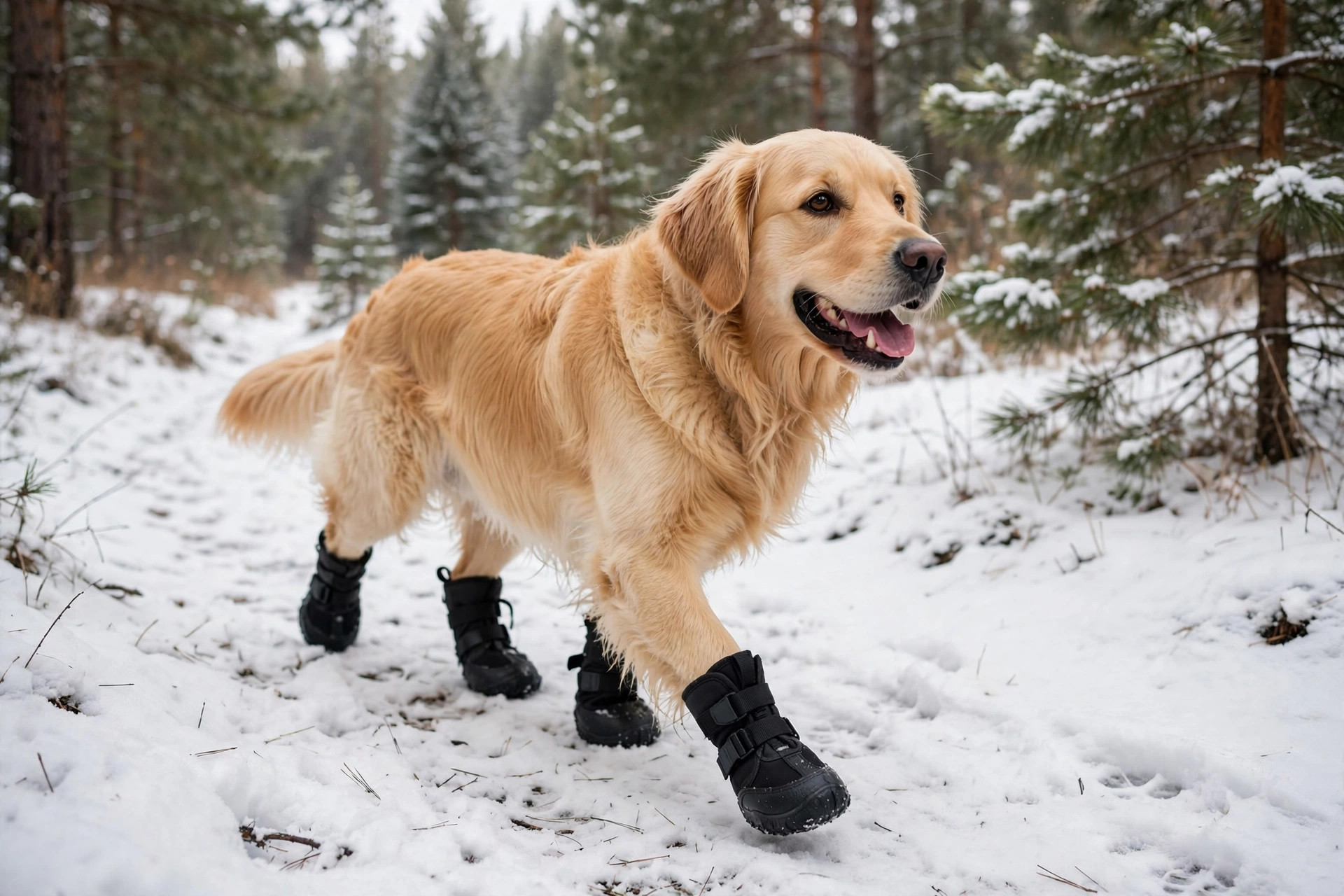
When the first snow falls and the sidewalks turn white with salt, many dog owners ask the same question: are the best dog winter boots worth buying, or is a good paw balm enough? The honest answer is that for a lot of dogs, boots are the single most useful piece of winter gear you can own — they protect paws from road salt, sharp ice, and freezing slush all at once.
Not every dog needs them, and not every boot is worth the money. In this 2026 buying guide, we compare the top winter boots for dogs, explain how to measure your dog’s paws for the right fit, and share a simple training plan so your dog actually enjoys wearing them.
Table of Contents
- Do Dogs Really Need Winter Boots?
- Best Dog Winter Boots 2026: Top Picks Compared
- How to Measure Your Dog’s Paws for Boots
- How to Train Your Dog to Wear Boots
- Winter Boots vs Paw Balm: Which Is Better?
- Caring for Dog Winter Boots
- Frequently Asked Questions
Do Dogs Really Need Winter Boots?
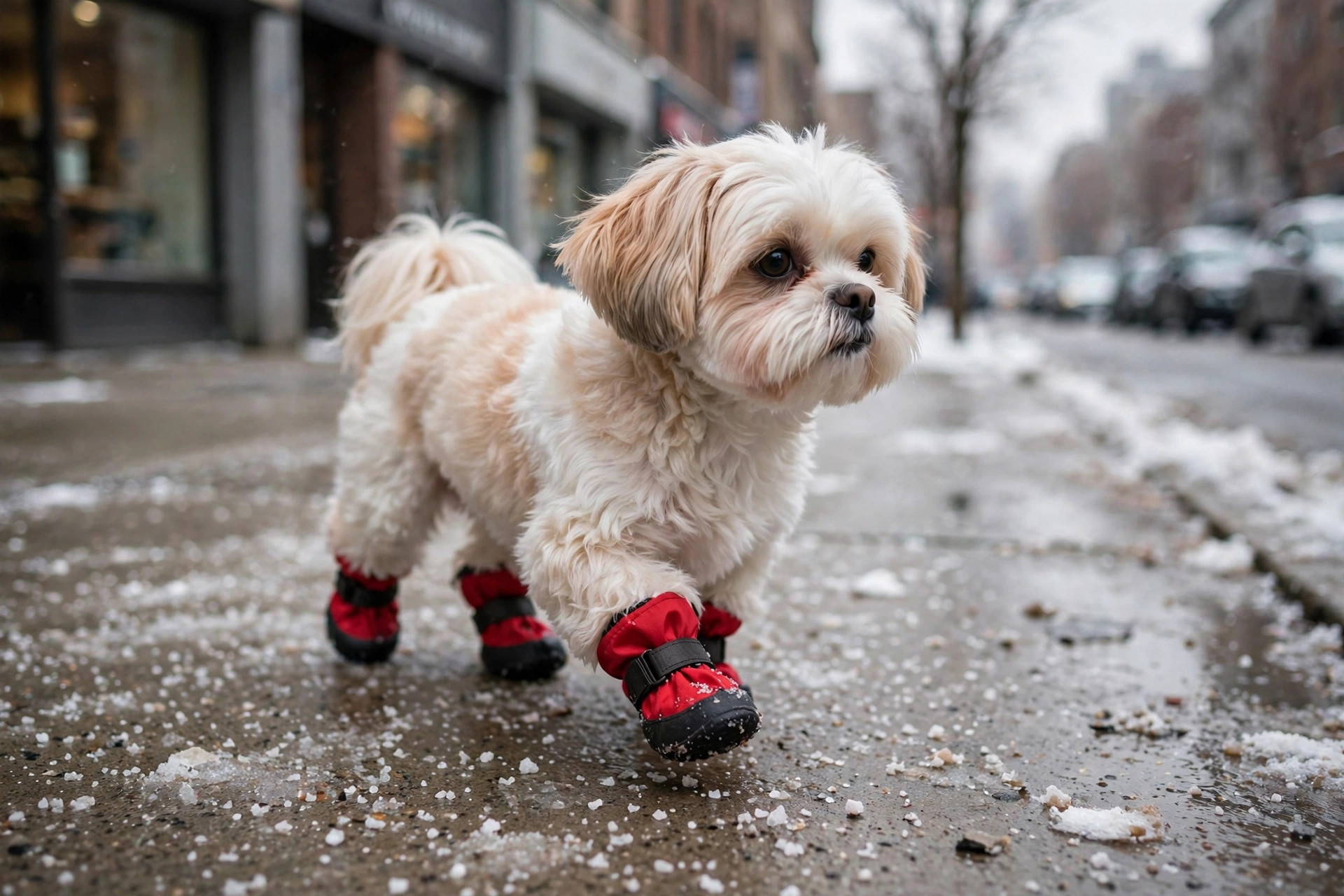
Wild canines cope with snow just fine, so it is fair to ask whether your pet really needs shoes. The problem is not the cold alone — it is what we put on the ground. City sidewalks in winter are covered in rock salt and chemical de-icers, and those are the real enemy of your dog’s paws.
Road salt and de-icers — mainly sodium chloride, calcium chloride, and magnesium chloride — irritate and dry out paw pads, and can cause cracking, redness, and chemical burns. Worse, dogs lick the residue off their feet once they are back inside, which can upset their stomach and, in larger amounts, cause vomiting or diarrhea. The American Humane Society advises owners to thoroughly clean paws, legs, and belly after every winter outing to stop dogs ingesting these chemicals — boots stop the residue getting on the paws in the first place.
Beyond salt, winter boots protect against:
- Sharp ice and hidden debris: crusted, refrozen snow has knife-like edges that cut pads, and salt-strewn pavement hides grit and glass.
- Ice balls between the toes: snow packs into the fur between the toes, melts, refreezes, and causes pain and limping. Boots keep the snow out entirely.
- Frostbite: in extreme cold, exposed paws are one of the first places frostbite appears. Pale or grey-looking pads after a walk need a vet check.
- Slipping: a lugged rubber sole gives far more grip on ice than a bare paw, especially for older dogs with weaker joints.
Some dogs genuinely do not need boots. A healthy, thick-coated northern breed walking on clean, unsalted snow for a short time will usually be fine barefoot. But if your walks cross salted pavements, if your dog lifts its paws, limps, or licks its feet after walks, or if you live somewhere with long, icy winters, boots are worth it.
Also Read: Winter Paw Care for Dogs: Salt, Ice & Cracked Pads (2026)
Best Dog Winter Boots 2026: Top Picks Compared
We compared the most-recommended winter boots for dogs from independent 2026 roundups and owner reviews. Prices are approximate and change with sales — always confirm the current price on the maker’s site before ordering.
| Boot | Best for | Key features | Price approx. |
|---|---|---|---|
| Ruffwear Grip Trex | Traction & winter hiking | Vibram lugged outsole, breathable mesh, hook-and-loop closure | $75–$90 |
| Ruffwear Polar Trex | Winter-specific design | Insulated softshell, snow gaiter, Vibram Icetrek outsole | ~$65 per pair of 2 |
| Muttluks Fleece-Lined | Deep cold & warmth | Fleece lining, waterproof fabric, leather sole, reflective strap | $40–$60 |
| Muttluks Snow Mushers | Extreme cold & deep snow | Self-tightening strap, fleece lining, rugged for daily wear | Mid-range |
| Canada Pooch Soft Shield | Everyday winter walks | Water-resistant shell, rubberized grip sole, wide opening, toggle + ankle strap | $45–$52 |
| PawZ Rubber Boots | Budget & salt protection | Natural rubber, pull-on, 12 per pack, reusable several times | Budget 12-pack |
1. Ruffwear Grip Trex — best for traction and winter hiking
The Grip Trex is the boot most often recommended for dogs that actually work in winter conditions: trail dogs, hiking companions, and any dog walking on ice. Its Vibram outsole is the same rubber used in human hiking boots, so grip on frozen ground is genuinely good, and the breathable mesh upper keeps paws from sweating on longer walks. It is sold in pairs of two, which is handy because many dogs need different sizes front and rear. The trade-off: the mesh upper is not waterproof, so in deep slush it lets moisture in. Best for packed snow, trails, and icy paths rather than wet city slush.
2. Ruffwear Polar Trex — best winter-specific design (with one honest caveat)
The Polar Trex is Ruffwear’s purpose-built winter boot: insulated, with a waterproof softshell upper, a stretch gaiter to seal out snow, and a Vibram Icetrek outsole made for frozen surfaces. On paper it is the most complete winter boot here. Honesty matters, though: independent testing found water leaking through the Polar Trex despite its waterproof marketing, and snow collecting inside the gaiter instead of being kept out. The current version has been redesigned, so check recent reviews before buying — and remember that no dog boot is reliably waterproof in real winter conditions. Treat “waterproof” claims as “water-resistant” and check paws after wet walks.
3. Muttluks Fleece-Lined — best for deep cold
If warmth is your priority, the fleece-lined Muttluks are the pick. They are waterproof and insulated, with leather soles and a reflective Velcro strap that helps you spot your dog in the snow. The flexible leather sole gives your dog more ground feel than a rigid boot, which helps nervous dogs accept them. They are a strong choice for small, short-haired, and senior dogs that feel the cold most.
4. Muttluks Snow Mushers — best for extreme cold and deep snow
Built for the harshest conditions, the Snow Mushers use a self-tightening strap system that stays locked even when a dog bounds through deep powder, with a fleece lining that prevents cold soaking in during long outings. Choose these if your winters involve deep snow and long exposure rather than short pavement walks.
5. Canada Pooch Soft Shield — best for everyday winter walks
For most owners walking salted sidewalks, the Soft Shield is the sweet spot: a soft, flexible, sock-like fit with a water-resistant shell, a rubberized grip sole, a wide opening that is easy to get on, and a top toggle plus wraparound ankle strap that keeps snow out. It is lighter and less aggressive than a hiking boot, which is exactly right for daily neighbourhood walks. Note that water-resistant is not waterproof — in heavy slush, paws can still get damp.
6. PawZ Rubber Boots — best budget option for salt protection
PawZ are simple pull-on boots made from natural, biodegradable rubber, sold 12 to a pack. There are no straps or zips, so once your dog is used to them they go on fast, and the rubber conforms closely to the paw for a natural feel. They protect against ice, snow, salt, and lawn chemicals, and each boot can be worn several times. They are the cheapest way to test whether your dog will tolerate boots at all — if your dog hates structured boots, PawZ are often the compromise that works.
Two more worth knowing: the Kurgo Blaze Cross (around $40–$55) is a solid everyday snow boot, and QUMY rubber-sole boots (around $15–$25) are the cheapest structured option for trying the fit before spending more.
Also Read: Best Dog Winter Coats: Buying Guide (2026)
How to Measure Your Dog’s Paws for Boots
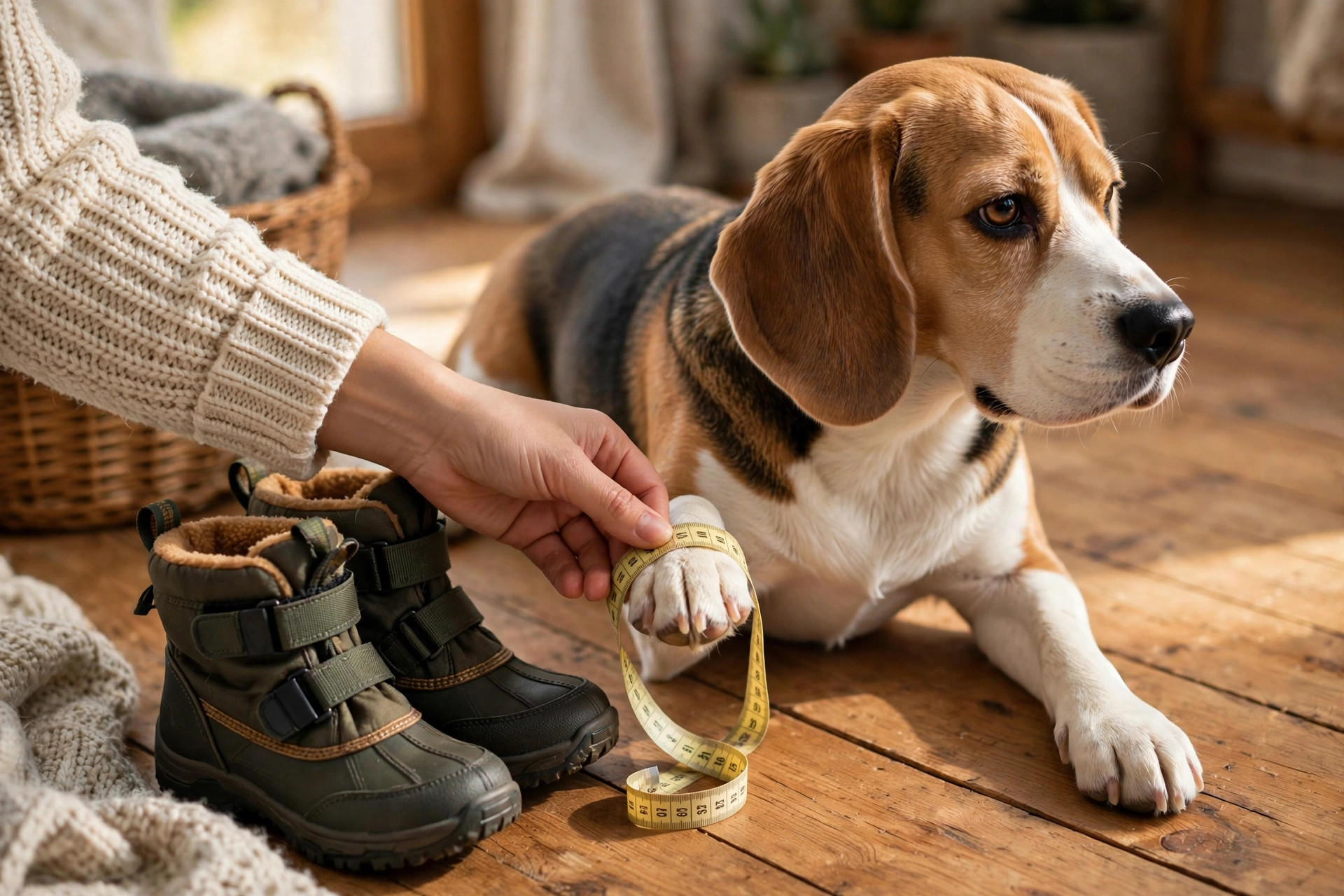
Most boot returns happen because of sizing, not quality — and a “medium” from one brand can be another brand’s “large”. Never order by breed or weight alone. Measure properly:
- Measure while standing: have your dog stand on a sheet of paper, then trace around each paw. A paw spreads under weight, so a sitting measurement will be too small.
- Measure width, not length: most brands size by paw width. Measure across the widest part of the paw print, in inches or centimetres, and compare it to the brand’s own size chart.
- Measure all four paws: front paws are usually larger than rear paws. If the difference is more than one size, buy two pairs in different sizes — Ruffwear sells boots in pairs of two for exactly this reason.
- Leave a little room: the boot should fit snugly without squeezing. You should be able to slide a fingertip between the strap and the leg. Too tight cuts circulation; too loose twists and falls off.
- Test indoors first: once the boots arrive, try them on inside on a clean floor. Watch your dog walk — a boot that twists, slips, or makes your dog limp is the wrong size, even if the chart said otherwise.
For puppies, choose boots with adjustable straps rather than buying far too big — an oversized boot drags, twists, and can trip a young dog. Recheck the fit every few weeks while they grow.
How to Train Your Dog to Wear Boots
Almost every dog does a funny high-stepping dance the first time boots go on. That is normal — and it is also why most owners give up too soon. A little patience fixes it:
- Start indoors, one boot at a time: put a single boot on a front paw, give a treat, and let your dog walk around the house for a few minutes. Remove it before they get frustrated.
- Build up slowly: add a second boot the next session, then all four. Keep sessions short and always end with a treat or a game.
- Distract with movement: dogs forget about their feet fastest when they are doing something fun. A short hallway game or a food puzzle with boots on works better than standing still and staring at their paws.
- Go outside only when they are comfortable: the first outdoor walk should be short — a quick trip to the garden or around the block. Check the boots after a few minutes: straps loosen as dogs move, and a quick re-tighten stops most slipping.
- Never force it: if your dog freezes, panics, or chews at the boots constantly, go back a step. A dog that hates boots but tolerates PawZ rubber boots or a paw balm is better off than a dog stressed by boots it will not wear.
Most dogs accept boots within three to five short sessions. Puppies and food-motivated breeds are usually fastest; older dogs that have never worn anything on their feet may need a week.
Winter Boots vs Paw Balm: Which Is Better?
Paw balm — a wax-based barrier rubbed onto the pads before a walk — is the main alternative to boots, and it is worth understanding what each one actually does.
| Feature | Winter boots | Paw balm |
|---|---|---|
| Salt & chemical protection | Excellent — keeps residue off the paw | Partial — reduces contact but does not block it |
| Sharp ice & debris | Excellent — a real sole stops cuts | None — pads are still exposed |
| Grip on ice | Good — lugged rubber soles grip | None |
| Warmth | Good — insulated models add real warmth | Minimal |
| Dog acceptance | Needs training — some dogs refuse | Easy — most dogs ignore it |
| Cost | $15–$90 per set | A few dollars per tin |
For salted sidewalks, icy ground, or long winter walks, boots win clearly. For a quick trip onto clean snow, or a dog that absolutely refuses boots, balm plus a thorough paw wipe after the walk is a reasonable fallback. Many owners use both: balm under the boot on the coldest days, and balm alone for short garden trips.
Also Read: How Cold Is Too Cold for Dogs? Winter Walking Guide (2026)
Caring for Dog Winter Boots
Winter boots live a hard life — salt, slush, and mud every day — so a little care keeps them working all season:
- Rinse after salty walks: salt eats stitching and stiffens fabric. A quick rinse in lukewarm water and an air-dry after salty walks doubles a boot’s life.
- Air-dry, never tumble-dry: heat damages waterproof coatings and melts glue. Stuff boots with newspaper to hold their shape while they dry.
- Check straps and soles monthly: Velcro weakens with salt and grit, and soles wear unevenly. A boot that slips is a boot that will be lost in the snow.
- Wash mud off before it dries: dried mud abrades the fabric and makes the boot stiff. Most fabric boots are machine-washable on a gentle cycle — check the label first.
- Keep a spare: boots get lost in deep snow more often than owners expect. A single spare boot — or a pack of PawZ as backup — saves a walk.
Frequently Asked Questions
Do dogs really need boots in winter?
Not all dogs, but many do. Dogs walking on salted sidewalks, sharp ice, or in deep cold benefit most. If your dog lifts its paws, limps, or licks its feet after winter walks, boots are worth trying.
Are dog boots waterproof?
Most are water-resistant rather than truly waterproof. Even boots marketed as waterproof can leak in deep slush — independent testing has found leaks in some popular winter models. Check your dog’s paws after wet walks and dry them thoroughly.
How do I measure my dog for winter boots?
Have your dog stand on paper, trace each paw, and measure the width across the widest part. Compare that number to the brand’s size chart — never order by breed or weight alone — and measure all four paws, since fronts are usually bigger than rears.
How can I get my dog used to wearing boots?
Train indoors first: one boot, then two, then all four, with treats at each step. Keep sessions short, distract with play, and only go outside once your dog walks normally indoors. Most dogs accept boots within three to five sessions.
Can my dog wear boots all day?
No. Boots are outdoor gear. Take them off indoors — trapped moisture softens the pads and causes rubbing. Never leave boots on an unsupervised dog, as straps can snag.
What is the best budget dog winter boot?
PawZ rubber boots are the cheapest way to protect against salt — a 12-pack costs little and each boot can be reused several times. For a structured budget boot, QUMY rubber-sole boots (around $15–$25) are a good first pair to test the fit.
Do boots replace paw balm?
Not entirely. Boots protect better against salt, ice, and cuts, but balm is still useful under boots on the coldest days and on its own for short trips onto clean snow. Many owners use both.
Final Thoughts
So, do dogs need winter boots? For many of them, yes — a well-fitted pair turns a painful, salty walk into a comfortable one, and for small, short-haired, senior, or injured dogs they are genuinely protective gear. The keys are simple: buy for your dog’s actual walks, measure all four paws instead of guessing a size, choose water-resistant over merely warm if your streets are salted, and train indoors first so your dog enjoys wearing them.
As always, if your dog shows signs of struggling in the cold despite boots — shivering, lifting paws, or refusing to walk — shorten the outing and ask your veterinarian about your individual dog.
By Dr. Ayaz Ali