
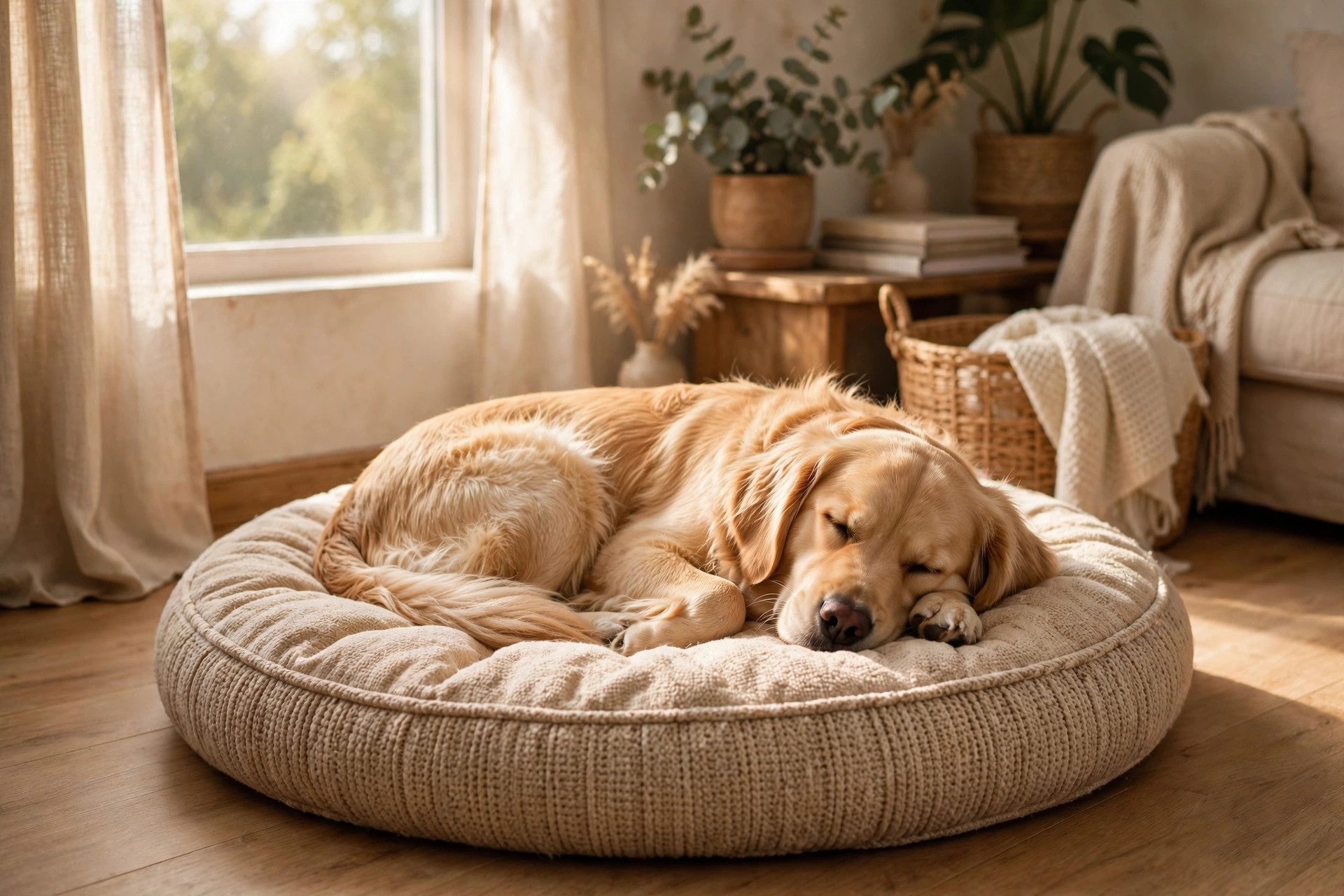
If you’ve ever glanced at the clock, glanced at your dog, and thought — wait, wasn’t he asleep two hours ago? — you’re not alone. Why does my dog sleep so much? is one of the most-googled questions pet owners ask, and the answer is usually reassuring: dogs genuinely need a lot more sleep than we do. But there is a line between normal marathon napping and sleep that signals something is wrong.
The short version: most adult dogs sleep 12–14 hours a day, puppies and seniors can sleep up to 18–20 hours, and that’s completely healthy. This 2026 vet-reviewed guide breaks down normal sleep hours by age, the 7 most common reasons your dog sleeps so much, and the red-flag warning signs that mean it’s time to call your veterinarian.
Table of Contents
- Is It Normal for Dogs to Sleep So Much?
- How Much Sleep Do Dogs Need by Age?
- 7 Reasons Your Dog Sleeps So Much
- When Sleeping Too Much Is a Warning Sign
- How to Help Your Dog Sleep Better
- Frequently Asked Questions
Is It Normal for Dogs to Sleep So Much?
Yes — for the vast majority of dogs, long naps are simply part of being a dog. Dogs are polyphasic sleepers, meaning they sleep in multiple short bouts across the day rather than one long block like humans. An adult human needs about 7–8 hours; an adult dog needs roughly double that.
There are two big biological reasons behind the extra hours. First, dogs reach REM (dream) sleep faster than we do — usually within about 10 minutes — but they spend only around 10% of their total sleep in REM, compared to about 25% for humans. Less deep sleep per bout means they need more total bouts to feel rested. Second, dogs are social sleepers: they take their cues from you. When the house goes quiet and you settle on the couch, your dog’s instinct is to clock out with you.
Veterinary sources including PetMD’s guide to dog sleep confirm that 12–16 hours of daily sleep is normal for most dogs, with age, breed, and activity level shifting that number up or down.
How Much Sleep Do Dogs Need by Age?
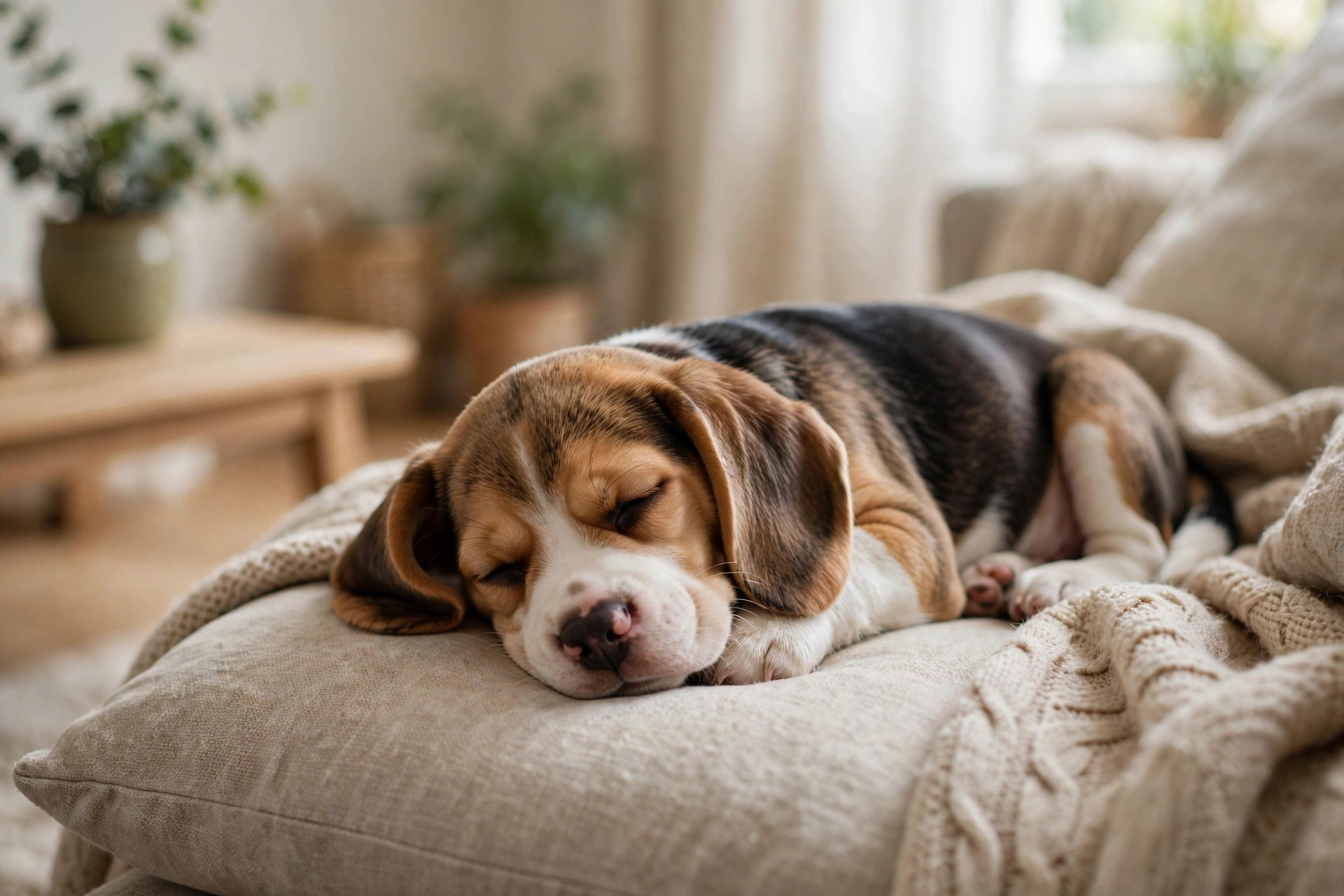
Age is the single biggest factor in how much a dog sleeps. Use this as your baseline:
| Life Stage | Age | Normal Daily Sleep |
|---|---|---|
| Puppy | Under 6 months | 18–20 hours |
| Adolescent | 6–18 months | 12–16 hours |
| Adult | 1–7 years | 12–14 hours |
| Senior | 7+ years | 14–20 hours |
Puppies sleep almost constantly because their brains and bodies are developing at a furious pace — growth hormone releases during sleep, and learning literally gets consolidated into memory overnight. Senior dogs swing back up toward puppy numbers because aging joints, slower metabolism, and cognitive changes make rest more necessary and waking more effortful.
The best benchmark isn’t a table, though — it’s your own dog. A dog who has slept 13 hours a day for years is fine. A dog who suddenly goes from 12 hours to 20 is telling you something.
7 Reasons Your Dog Sleeps So Much
If your dog’s sleep falls in the normal range, one or more of these everyday causes is almost certainly behind it.
1. Age and Life Stage
As the table above shows, both ends of the age curve are champion sleepers. A 10-week-old puppy will play hard for 20 minutes and then crash for two hours — that’s healthy. A 12-year-old dog napping through most of the afternoon is equally normal.
2. Breed and Size
Big, low-energy breeds are the heavyweight champions of napping. Mastiffs, Saint Bernards, Great Danes, and Greyhounds routinely sleep 16–18 hours a day. Smaller, busier breeds like terriers tend toward the lower end of the range. If you own a famously lazy breed, a 17-hour nap schedule is just their personality.
3. Light, Fragmented Sleep Cycles
Dogs fall asleep fast but wake easily — a snapped twig, a doorbell, a snack bag crinkle, and they’re up. Because they cycle in and out of light sleep all day, their total sleep looks enormous compared to ours. Watch closely and you’ll notice much of that “sleep” is actually light dozing with one ear still on duty.
4. Boredom and Low Stimulation
A dog with nothing to do does what any of us would do: sleeps. Dogs left alone in a quiet house for long stretches often default to napping for hours — not because they’re sick, but because nothing interesting is happening. Under-stimulated dogs can look “lazy” when really they’re bored. Short training sessions, sniff walks, and foraging games wake their brains back up.
Also Read: What Is a Snuffle Mat? Dog Enrichment Guide (2026) — ten minutes of foraging tires a dog out and replaces bored napping with earned rest.
5. Weather and Shorter Days
Cold, dark, rainy stretches make dogs sleepier — just like they do to people. With autumn here and daylight shrinking, many owners notice their dog napping more in October and November. Hot summer afternoons have the same effect: dogs conserve energy during heat.
6. Diet, Weight, and Post-Meal Naps
Heavy meals trigger post-meal drowsiness (yes, dogs get a version of the food coma too). And overweight dogs are noticeably sleepier: extra weight strains joints and the heart, so moving costs more energy and resting becomes the default. If your dog has been gaining weight AND sleeping more, those two changes are probably connected.
Also Read: Is My Dog Overweight? BCS & Weight Loss Plan (2026) — score your dog’s body condition in 3 minutes at home.
7. They’re Syncing With You
Dogs are experts at matching your energy. Work-from-home owners often report their dog sleeps all day — because the owner is sitting quietly at a desk all day. On weekends with hikes and visitors, the same dog is suddenly wide awake for hours. Your dog’s sleep schedule mirrors your household’s rhythm more than you think.
Also Read: Why Does My Dog Lean on Me? Vet Guide (2026) — another way dogs sync with and read their owners.
When Sleeping Too Much Is a Warning Sign
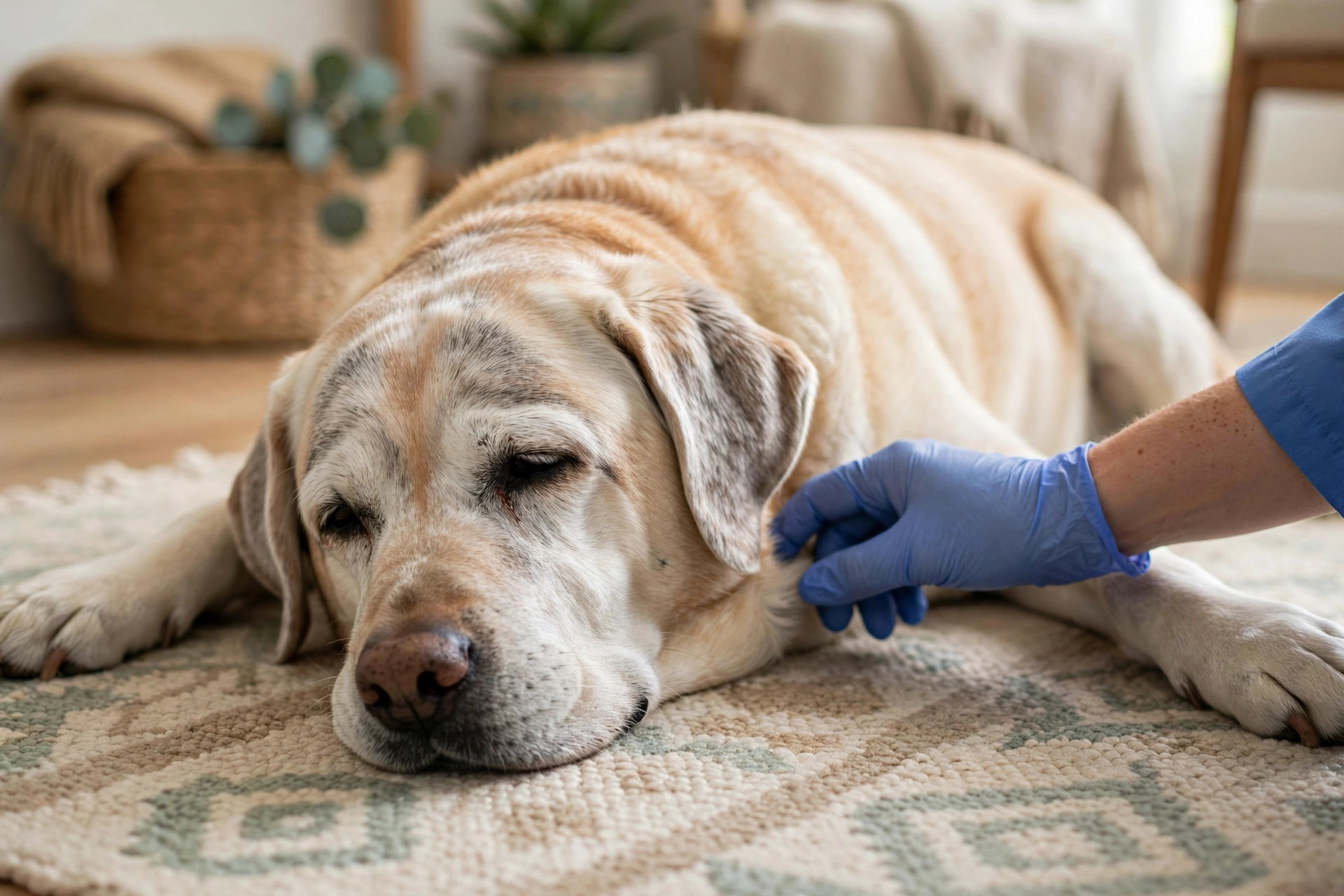
Normal sleep is predictable and easy to interrupt. Problem sleep is a change — and it’s usually not alone. Call your veterinarian promptly if extra sleeping comes with any of these red flags:
- A sudden jump in sleep time — your dog is sleeping far more (or less) than their usual pattern
- Difficult to wake, groggy, confused, or disoriented when roused
- Loss of interest in walks, play, food, or things they normally love
- Appetite or weight changes — refusing meals or losing weight
- Vomiting, diarrhea, coughing, or labored breathing alongside the sleepiness
- Heavy snoring or breathing changes during sleep, especially in flat-faced breeds
- Limping, stiffness, or trouble getting up — sleepiness can mask chronic pain
- Pale or dry gums, trembling, or collapse — seek emergency care immediately
Veterinary guidance treats sudden lethargy lasting more than 24 hours as a clear call-the-vet threshold — and any sleepiness paired with vomiting, diarrhea, breathing trouble, pale gums, or possible toxin exposure is an emergency, not a wait-and-see situation.
The conditions behind abnormal sleepiness are wide-ranging: infections and fever, hypothyroidism, diabetes, heart disease, anemia, chronic pain (especially arthritis — vets note that pain-related sleepiness is severely underdiagnosed and often mistaken for “just getting older”), depression after a household change, or canine cognitive dysfunction in seniors. Your vet will typically start with a physical exam and blood work to narrow it down.
One thing worth doing before the visit: check the basics at home. Note exactly when the change started, whether appetite and water intake changed, take their temperature (normal is about 101–102.5°F), and check that gums are pink and moist. That information makes the vet visit far more productive.
How to Help Your Dog Sleep Better
Quality matters as much as quantity. A dog sleeping 14 hours in a noisy, uncomfortable spot isn’t resting as well as one sleeping 12 hours in a calm routine. Here’s how to upgrade your dog’s rest:
- Give them a real bed. A supportive dog bed in a quiet corner beats the cold floor every time — and for seniors with sore joints, an orthopedic bed can noticeably improve both sleep quality and morning stiffness.
- Keep a routine. Dogs thrive on predictable walk, meal, and bedtime times. Routine lowers stress and steadies sleep patterns.
- Exercise the body, tire the mind. Regular walks plus 10–15 minutes of sniffing games, training, or puzzle toys each day produces deeper, more satisfying sleep — and less boredom-napping.
- Match daylight. Especially in autumn and winter, make sure your dog still gets outdoor light and activity during the day so nighttime sleep stays consolidated.
- Watch the weight. Fit dogs sleep better, move more easily, and wake more refreshed. Measured meals beat free-feeding.
- Track their baseline. You’ll only notice a meaningful change if you know what’s normal. A quick mental note — “he usually sleeps till 7, naps after lunch, up for dinner” — is all it takes.
Frequently Asked Questions
Is it normal for my dog to sleep all day?
For many dogs, yes. Adult dogs normally sleep 12–14 hours a day, and puppies and seniors up to 18–20 hours. It’s only a concern if the pattern is new, your dog is hard to wake, or sleepiness comes with appetite loss, vomiting, or breathing changes.
Why is my dog sleeping more than usual all of a sudden?
A sudden increase in sleep deserves attention. Common causes include infections, pain (especially arthritis), hypothyroidism, stress or household changes, and depression. If it lasts more than 24 hours or comes with other symptoms, call your vet.
Do dogs sleep more in winter?
Yes. Cold, dark, rainy weather increases napping in many dogs — shorter days and less outdoor activity naturally shift them toward more rest. This is seasonal and normal unless it’s paired with warning signs.
Why does my dog sleep so much but still seem tired?
A dog that sleeps constantly yet never seems rested may be dealing with poor sleep quality (pain, breathing issues, or an uncomfortable sleeping spot) or an underlying health problem. This pattern is worth a vet visit rather than a wait-and-see approach.
How much should a puppy sleep?
Puppies under 6 months typically sleep 18–20 hours a day. They play in short bursts and crash — that’s how growing brains and bodies work. Make sure they have a quiet spot and don’t force long wakeful periods.
When should I worry about my dog sleeping too much?
Worry when sleepiness is sudden, extreme, or combined with other changes: hard to wake, won’t eat, vomiting or diarrhea, coughing, limping, or breathing difficulty. Mild extra napping with no other changes can be monitored for a day or two.
Final Thoughts
So, why does your dog sleep so much? Most of the time, it’s simply biology: dogs are light, polyphasic sleepers who need 12–14 hours of rest, and puppies and seniors need even more. Breed, boredom, weather, and your own schedule fill in the rest of the explanation.
The key skill is knowing your dog’s personal baseline. Learn what’s normal for them, improve their sleep quality with routine, exercise, and a good bed — and when the pattern shifts suddenly or sleepiness brings friends (appetite loss, stiffness, breathing changes), trust your gut and call your vet. A well-rested dog is a healthy dog, and you know yours better than anyone.
By Dr. Ayaz Ali, Veterinarian
Dr. Ayaz Ali is a practicing veterinarian with years of experience in small-animal care. He writes evidence-based pet health guides for Pets Addicters.