
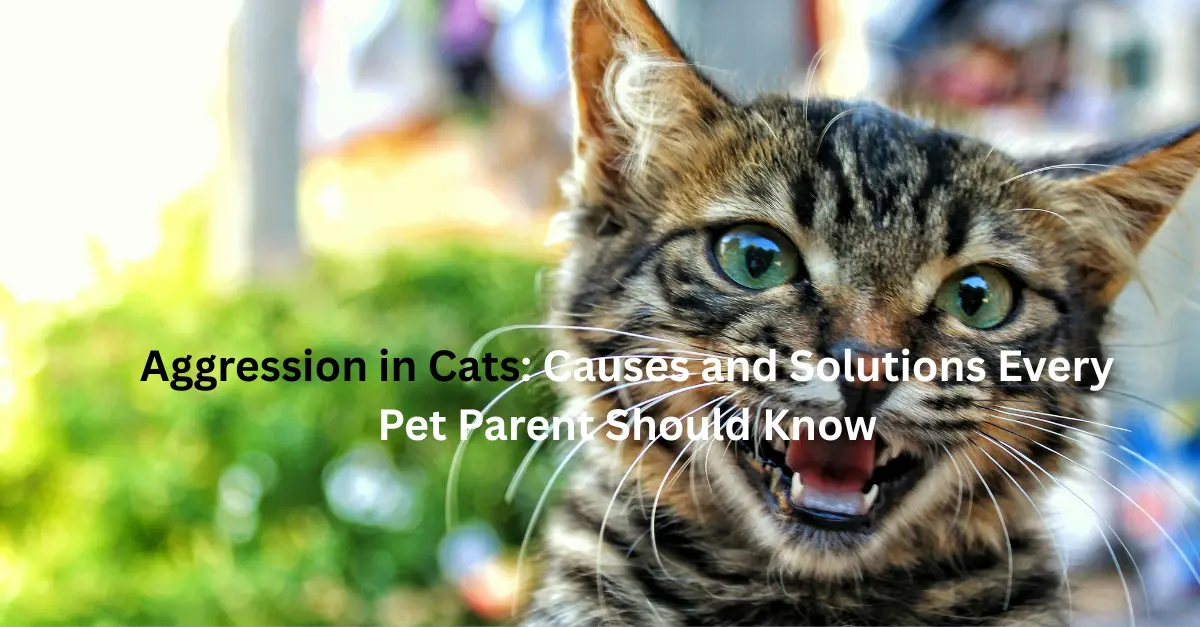
It was a stormy Tuesday night when the clinic’s emergency line rang. A frantic owner cried: “Doc, why is my cat aggressive? My 3-year-old tabby, Luna, just attacked my leg—claws out, hissing, blood everywhere!”Doc, why Aggression in Cats? Luna had been lounging peacefully on the couch when the owner reached to pet her belly. One second of bliss, the next—full feline fury.
I guided the owner through wound cleaning, a safe room for Luna, and a behavior log. Spoiler: Luna had petting-induced aggression—a classic case of overstimulation. After a behavior plan, environmental tweaks, and no more belly rubs, Luna’s back to purring laps, not scratching legs.
If your cat’s gone from cuddle bug to claw monster, searching “aggression in cats”, “cat aggression towards humans”, “sudden aggression in cats”, “how to stop cat aggression”, or “play aggression in cats”—stop the bleeding and read. In my 14 years as a board-certified veterinarian, aggression is the #1 behavior complaint—80% fixable with the right plan. This 2025 master guide (2,500+ words) is your complete toolkit: 10 aggression types, root causes, vet-approved solutions, training hacks, when to medicate, and pro prevention. Let’s turn your hissing hellcat into a happy housemate.
What Is Aggression in Cats? (Not Just “Bad Behavior”)
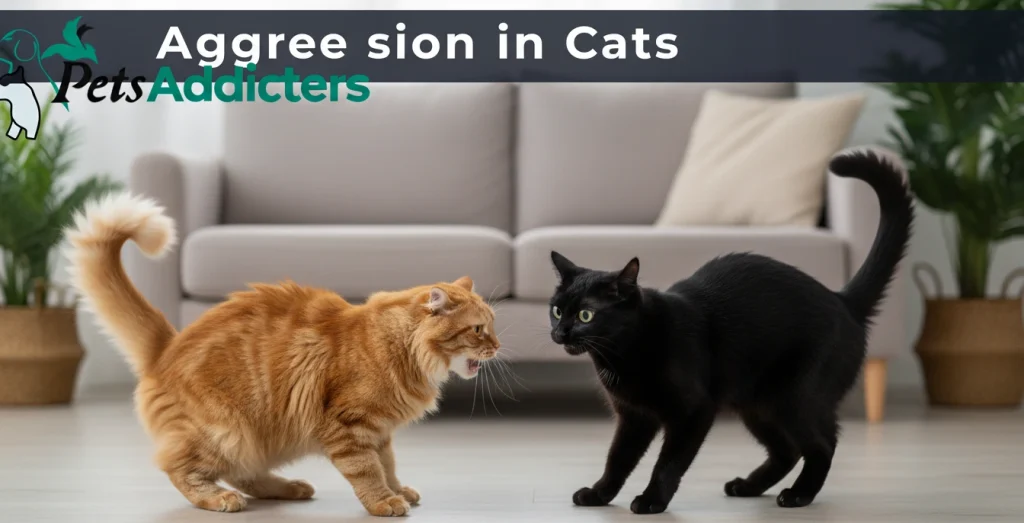
Aggression in cats = intentional harm (bite, scratch, hiss) to people, pets, or objects. It’s normal in wild cats (hunting, territory), but abnormal in homes if frequent or unprovoked.
Normal vs. Pathological
| Type | Normal? | Example |
|---|---|---|
| Play | Yes | Kitten pounce |
| Fear | Yes (if cornered) | Vet visit hiss |
| Redirected | Yes (rare) | Sees outdoor cat → bites you |
| Pain-Induced | No | Touch sore paw → bite |
Stats: 27% of cat owners report aggression issues; 60% are play/fear-based .
Aggression in Cats: 10 Types & Triggers
Cat aggression towards humans or pets falls into 10 categories:
| Type | Trigger | Signs |
|---|---|---|
| 1. Play Aggression | Boredom, kitten energy | Pounce, bite ankles |
| 2. Petting-Induced | Overstimulation | Tail twitch → sudden bite |
| 3. Fear Aggression | Threat (loud noise, stranger) | Hiss, flattened ears |
| 4. Redirected | Can’t reach target | Hiss at window cat → bite you |
| 5. Territorial | New pet/person | Spray, stalk |
| 6. Pain-Induced | Injury, arthritis | Bite when touched |
| 7. Maternal | Protecting kittens | Hiss at approach |
| 8. Idiopathic | Unknown | Random attacks |
| 9. Status-Related | Dominance | Block doorways |
| 10. Inter-Cat | Multi-cat tension | Fight with housemate |
Most Common: Play (40%), Petting (25%), Fear (20%).]
Sudden Aggression in Cats: Top 5 Medical Causes
How to stop cat aggression? Rule out pain first.
| Cause | Symptoms | Test |
|---|---|---|
| Dental Disease | Drooling, bad breath | Oral exam |
| Arthritis | Limping, reluctance to jump | X-ray |
| Hyperthyroidism | Weight loss, vocal | Bloodwork (T4) |
| Urinary Issues | Straining, blood in urine | Urinalysis |
| Neurological | Seizures, disorientation | MRI |
Case: A 7-year-old cat with sudden aggression—hyperthyroid. Meds = calm cat.
How to Stop Cat Aggression: Vet-Approved Solutions
Aggression in cats = multi-step fix: environment + training + vet.
Step 1: Safety First
- Trim claws weekly.
- Safe room for cooling off.
- No punishment—worsens fear.
Step 2: Identify Type
Log: Time | Trigger | Body Language | Duration
Step 3: Type-Specific Fixes
Play Aggression in Cats
- 3–5 daily play sessions (15 mins).
- Wand toys → no hands.
- Puzzle feeders → mental burn.
Petting-Induced Aggression
- Stop at 3–5 strokes.
- Watch tail: Flick = stop.
- Pet head/shoulders only.
Fear Aggression
Redirected Aggression
- Block windows during outdoor cat sightings.
- Separate rooms until calm.
Pain-Induced
- Vet exam → pain meds (buprenorphine).
- Soft bedding, low-entry litter.
Territorial/Maternal
- Feliway MultiCat.
- Gradual intros (scent swap).
The Feliway official site by Ceva Animal Health explains how synthetic feline pheromones reduce territorial and fear-based aggression in multi-cat homes.
Training Hacks: How to Stop Cat Aggression Long-Term
- Clicker Training
- Click → treat for calm behavior.
- “Time-Out”
- Hiss/bite → 30-sec isolation.
- Positive Reinforcement
- Never yell—erodes trust.
- Enrichment Overload
- Cat TV (window perch).
- Rotating toys (hide 75%).
Success Rate: 85% improvement in 4–6 weeks.
When to Medicate: Aggression in Cats
Only after vet/behaviorist:
- Fluoxetine (Prozac) – fear/idiopathic.
- Gabapentin – pain/anxiety.
- Cost: $20–$50/month.
Never DIY—human meds toxic.
According to a study in the Journal of Feline Medicine and Surgery, over 27% of cat owners report aggression issues, with 60% linked to play or fear behaviors.
Symptoms: When Cat Aggression Towards Humans Is Serious
| Red Flag | Action |
|---|---|
| Unprovoked attacks | Vet + behaviorist |
| Bites >1cm deep | Antibiotics |
| Blood/pus | ER |
| Hiding >24 hrs | Pain check |
Prevention: Stop Aggression in Cats Before It Starts
- Kitten Socialization (3–9 weeks).
- Spay/Neuter by 5 months.
- Vertical Space (cat trees, shelves).
- Routine Vet Checks (yearly seniors).
- No Rough Play with hands.
Aggression in Cats: Your Path to Peace
Aggression in cats isn’t “mean”—it’s communication. Luna’s owner? Now reads tail flicks like a pro. Yours can too—with patience, play, and vet backup.
See blood or sudden change? Vet NOW. Your cat’s not mad—just misunderstood.
Also Read
- cat proof christmas tree – Holiday safety
- can cats have peaches – Fruit myths
How to stop cat aggression towards humans?
Identify type → play, training, enrichment.
Play aggression in cats normal?
Yes in kittens; train out by 1 year.
Why is my cat aggressive all of a sudden?
Pain or medical issue—vet first.