
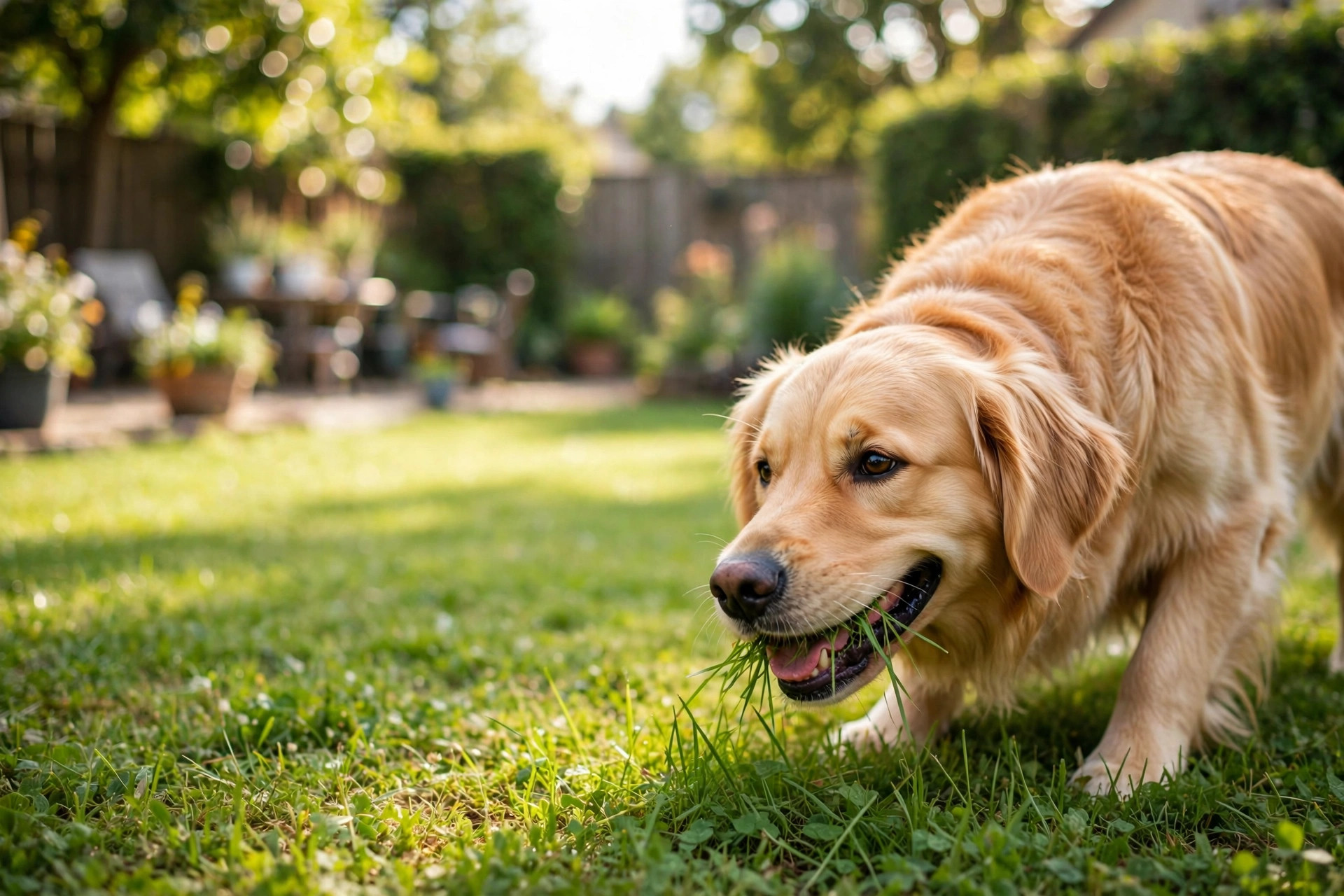
You let your dog out for a bathroom break, glance away for ten seconds, and when you look back he is happily munching the lawn like a tiny cow. If you have ever wondered why do dogs eat grass — and whether you should stop it — you are not alone: it is one of the most common questions veterinarians hear.
The short version: for most dogs, grass eating is a normal, harmless habit — but a few situations turn it into a warning sign worth taking seriously. This vet-reviewed 2026 guide covers the seven reasons dogs eat grass, whether it can hurt them, when to call the vet, and how to redirect it safely.
Table of Contents
- Is It Normal for Dogs to Eat Grass?
- Why Do Dogs Eat Grass? 7 Vet-Explained Reasons
- Why Do Dogs Eat Grass and Vomit Afterwards?
- Is Eating Grass Bad for Dogs?
- Safe Grass vs. Dangerous Grass
- How to Stop Your Dog From Eating Grass
- When to Call the Vet
- Frequently Asked Questions
Is It Normal for Dogs to Eat Grass?
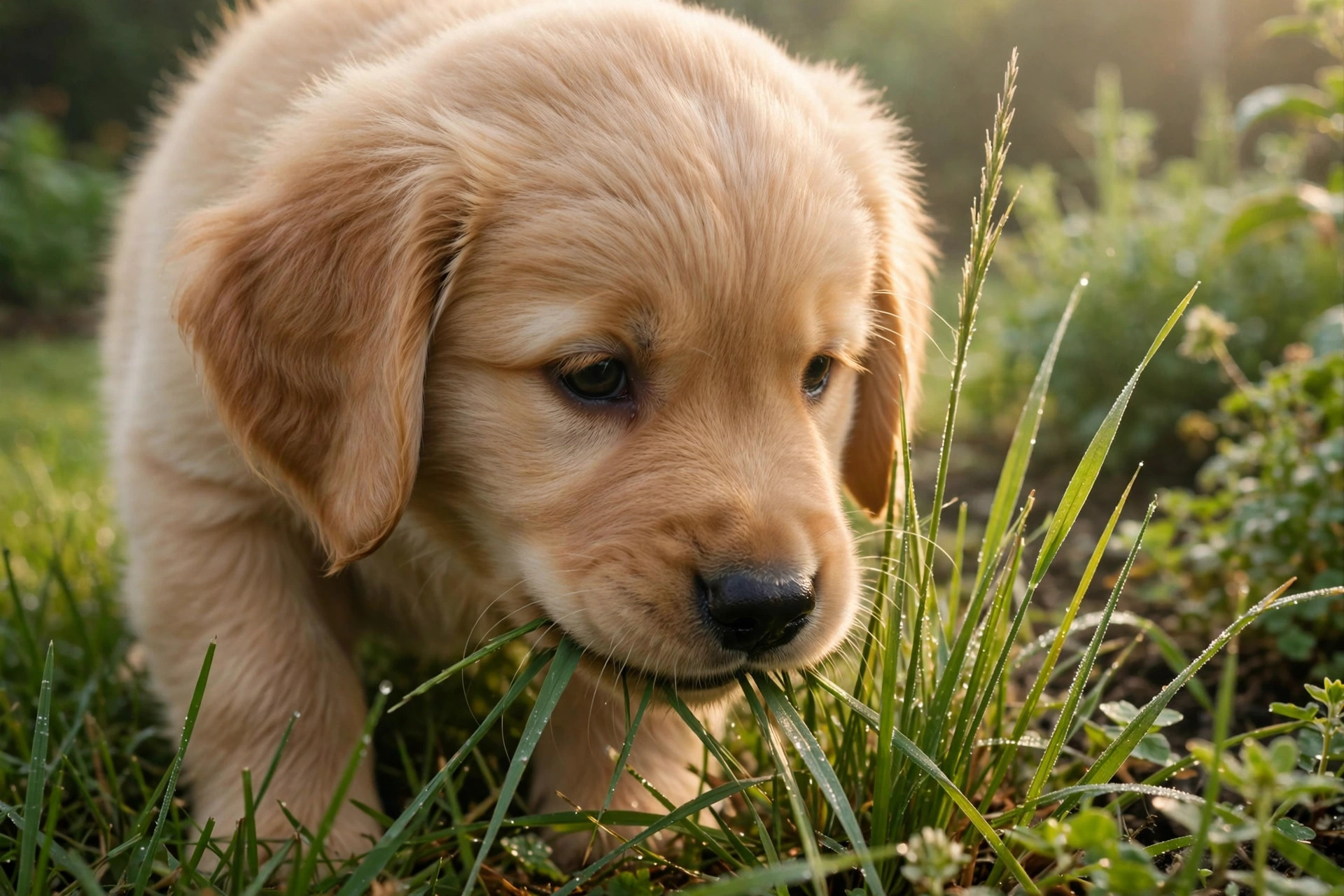
Yes — completely normal. A University of California, Davis study found that roughly 68% of dogs eat grass or other plants on a daily to weekly basis. Your lawn-munching dog is the rule, not the exception.
Veterinary behaviorists consider grass eating normal canine behavior, not a sign of illness — PetMD’s veterinary review of the research concludes that most dogs who eat grass show no signs of illness beforehand — they are simply doing what dogs do.
Why Do Dogs Eat Grass? 7 Vet-Explained Reasons
There is no single answer — different dogs graze for different reasons. Here are the seven explanations veterinarians and researchers take most seriously:
1. Ancient Instinct
Dogs descend from wolves, and wild canids — wolves, coyotes, foxes, jackals — all eat grass. Grazing on vegetation was simply part of being a wild dog, and domestic dogs kept the habit through thousands of years of evolution.
2. They May Need More Fiber
Dogs barely digest grass, but that roughage can serve a purpose. In one documented case, a dog with a seven-year history of daily grass eating stopped entirely on a high-fiber diet. If your dog grazes constantly, their food may be light on fiber, and a diet tweak often reduces the urge.
3. Soothing an Upset Stomach or Acid Reflux
Dogs get acid reflux like people do, and some seem to eat grass to soothe that uneasy feeling. One nuance: a study found dogs with active diarrhea were actually less likely to eat grass — so grazing is not a reliable sign your dog feels sick.
Also Read: Can Dogs Eat Pineapple? Benefits, Risks & Safe Feeding Guide (2026) — another common “is it safe” food question answered by our vet team.
4. Boredom or Too Little Enrichment
A bored dog invents its own entertainment. Under-exercised dogs left alone in the yard often graze simply because there is nothing better to do — more walks, play, and mental enrichment usually cut the habit fast.
Also Read: What Is a Snuffle Mat? Dog Enrichment Guide (2026) — a 10-minute foraging game that tires dogs out and beats boredom grazing.
5. Curiosity and Taste (Especially Puppies)
Puppies explore the world with their mouths. Many try grass from curiosity and discover they enjoy the taste or texture. Cornell veterinary behaviorist Dr. Katherine Houpt notes that puppies whose mothers ate grass are more likely to copy the behavior.
6. It Gets Your Attention
Dogs quickly learn what makes you react. If every grass nibble earns a gasp, a chase, or a treat bribe, your dog has learned a trick: eat grass, get attention. Calm redirecting instead of drama breaks the cycle.
7. Pica — Compulsive Eating of Non-Food Items
When grass eating turns obsessive — frantic daily grazing, or eating dirt, rocks, or fabric too — it may be pica, a compulsive disorder triggered by anxiety, boredom, or medical issues such as anemia. Unlike casual grazing, true pica always deserves a veterinary workup.
Why Do Dogs Eat Grass and Vomit Afterwards?
This is the biggest grass-eating myth: that dogs graze on purpose to make themselves throw up. In a widely cited study, almost all owners said their dogs ate grass — and almost none said their dogs regularly vomited afterward.
Vomiting can still follow grass eating: some dogs gulp coarse blades too fast, irritating the throat and stomach. The pattern that matters is repetition — if your dog eats grass and vomits every single time, that points to an underlying stomach issue and deserves a vet visit.
Is Eating Grass Bad for Dogs?
Plain, untreated grass in small amounts is not toxic. The genuine dangers come from what is on or around the grass:
- Lawn chemicals: Pesticides, herbicides, and fertilizers are the number-one grass-related hazard. Never let your dog graze a lawn you do not know is chemical-free.
- Toxic plants mixed in: Lawns and field edges can hide plants genuinely poisonous to dogs.
- Foxtails and sharp seed awns: These barbed seeds lodge in paws, ears, noses, and throats — a painful emergency, especially in summer.
- Parasites: Grass where many dogs defecate can harbor intestinal parasite eggs. Keep deworming current if your dog grazes at dog parks.
- Binge grazing: A few blades are fine; a frantic binge on coarse grass can trigger vomiting or digestive upset.
Safe Grass vs. Dangerous Grass
| Grass Situation | Verdict |
|---|---|
| Your own untreated lawn, a few blades | Generally safe — no need to panic |
| Wheatgrass or pet grass grown indoors | Safest option — a good outlet for grazers |
| Public parks or neighbors’ lawns | Avoid — assume chemicals until proven otherwise |
| Roadsides and field edges | Avoid — runoff, residue, and foxtails |
| Frantic binge-eating of large amounts | Redirect — vomiting and irritation risk |
For committed grazers, a small pot of wheatgrass (sold as “pet grass”) gives them a safe, pesticide-free outlet.
How to Stop Your Dog From Eating Grass
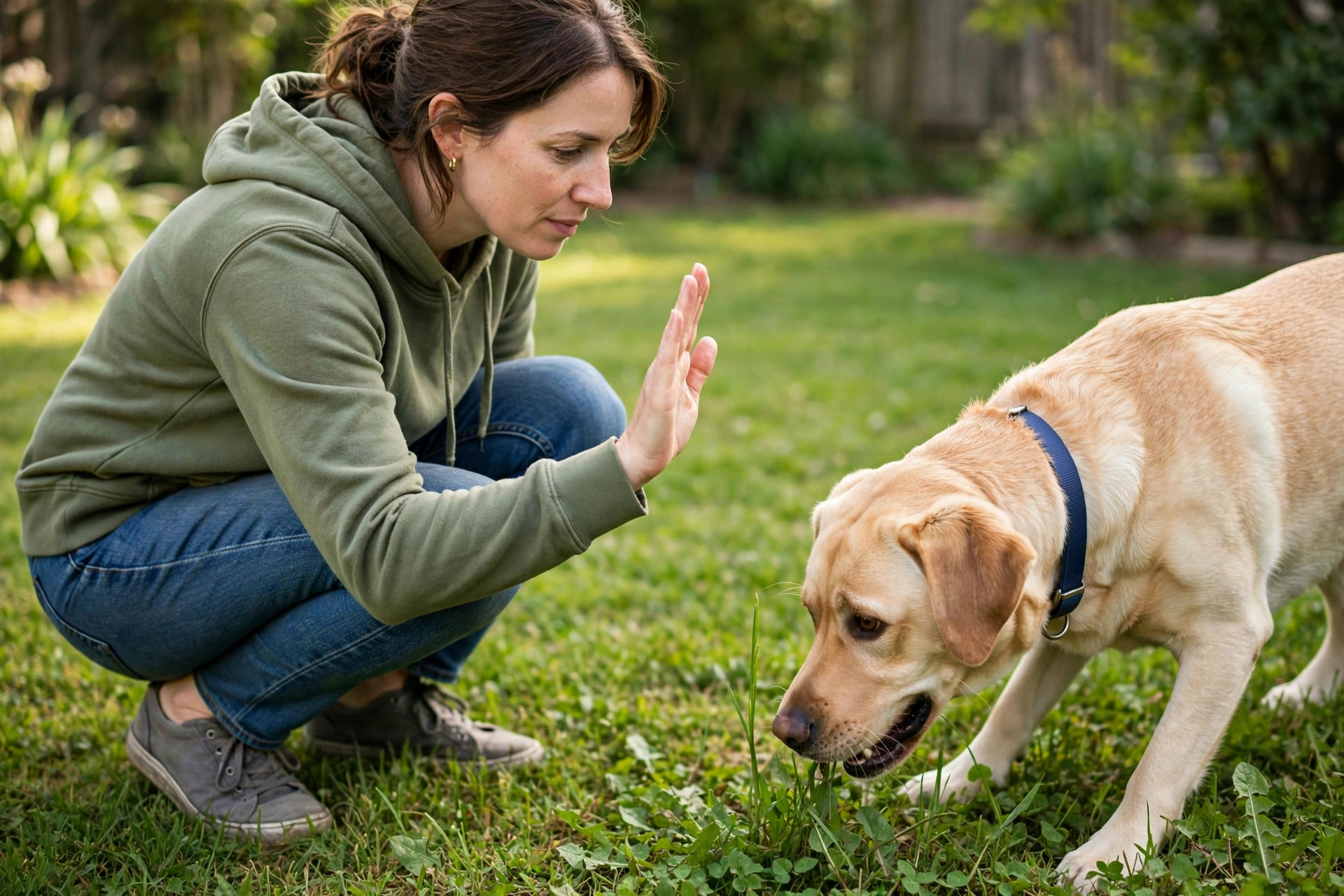
- Teach a solid “leave it.” Practice at home first, then on walks — reward the moment your dog turns away.
- Stay calm. Yanking the leash or shouting turns grass into forbidden treasure. A quiet “leave it” plus a treat works far better.
- Check diet fiber. Ask your vet whether your dog’s food provides enough fiber — a diet tweak ends many grazing habits.
- Beat boredom. More exercise, training games, and foraging enrichment give your dog better things to do than mow the lawn.
- Manage the environment. Keep your lawn chemical-free, supervise yard time, and steer clear of treated or unknown grass on walks.
Also Read: Separation Anxiety in Dogs: Signs, Causes & How to Help (2026) — anxious, under-stimulated dogs develop all kinds of compulsive habits, grass eating included.
When to Call the Vet
Casual grazing needs no vet visit. Call your veterinarian if:
- Your dog suddenly starts eating large amounts of grass out of nowhere
- Grazing is paired with vomiting, diarrhea, lethargy, or appetite loss
- Your dog eats grass frantically every day and cannot be redirected
- You see blood in vomit or stool after grass eating
- Your dog may have grazed on a chemically treated lawn
- Weight loss, pale gums, or a dull coat accompany the habit — possible signs of anemia driving pica
Frequently Asked Questions
Why does my dog eat grass every day?
Daily grazing is usually just a settled habit — many dogs do it for years with no ill effects. If it is frantic, increasing, or new, check diet fiber and mention it at your next vet visit.
Is it OK for my dog to eat grass?
A few blades of clean, untreated grass are fine for most healthy dogs. The risk comes from lawn chemicals, toxic plants, foxtails, and parasites — not the grass itself.
Do dogs eat grass when they have worms?
No strong evidence links grass eating specifically to worms. But grazing dogs — especially at dog parks — should stay on a regular deworming schedule.
Can puppies eat grass?
Puppies often mouth grass from curiosity and most outgrow intense grazing. Supervise them, teach “leave it” early, and keep them off treated lawns.
What grass is safe for dogs to eat?
Plain, pesticide-free lawn grass in small amounts, and wheatgrass (pet grass) grown indoors. Avoid treated lawns, roadsides, and areas with foxtails or unknown plants.
Should I stop my dog from eating grass?
Not necessarily. If the grass is safe and your dog is healthy, occasional grazing is harmless. Redirect it only if the habit is obsessive, happens on unsafe grass, or comes with vomiting or other symptoms.
Final Thoughts
So, why do dogs eat grass? Because they are dogs — following ancient instinct, topping up fiber, soothing a rumbly stomach, beating boredom, or simply liking the taste. Research shows the vast majority of grazing dogs are perfectly healthy.
The sensible approach: let safe grazing be, keep your lawn chemical-free, offer a wheatgrass pot for committed grazers, and redirect with a calm “leave it” on unsafe grass. If the habit turns frantic or comes with vomiting, appetite loss, or lethargy — call your vet.
By Dr. Ayaz Ali, Veterinarian
Dr. Ayaz Ali is a practicing veterinarian with years of experience in small-animal care. He writes evidence-based pet health guides for Pets Addicters.