
It usually happens at breakfast: you are spooning warm oatmeal into your bowl, and your cat is parked beside you, eyes locked on the spoon. It is only natural to wonder: can cats eat oatmeal, or should this breakfast staple stay off your feline’s menu?
The short answer is yes, cats can eat oatmeal — but only plain, fully cooked oatmeal made with water, in very small amounts, and only as a rare treat. Oatmeal is not toxic to cats, yet it offers an obligate carnivore almost no nutritional benefit. And some forms of oatmeal — flavored, sweetened, milk-based, or uncooked — are genuinely risky.
In this complete guide, we will walk you through everything you need to know about feeding oatmeal to cats: whether it is safe, the real benefits and risks, exact serving sizes, how to prepare it safely, the oatmeal types cats should never eat, and answers to the questions cat owners ask most.
Table of Contents
- Is Oatmeal Safe for Cats?
- Nutritional Benefits of Oatmeal for Cats
- Risks of Feeding Oatmeal to Cats
- How Much Oatmeal Can Cats Eat?
- Which Oatmeal Types Are Safe for Cats?
- How to Prepare Oatmeal for Cats
- What If My Cat Eats Too Much Oatmeal?
- Can Kittens Eat Oatmeal?
- Healthy Alternatives to Oatmeal
- Frequently Asked Questions
Is Oatmeal Safe for Cats?
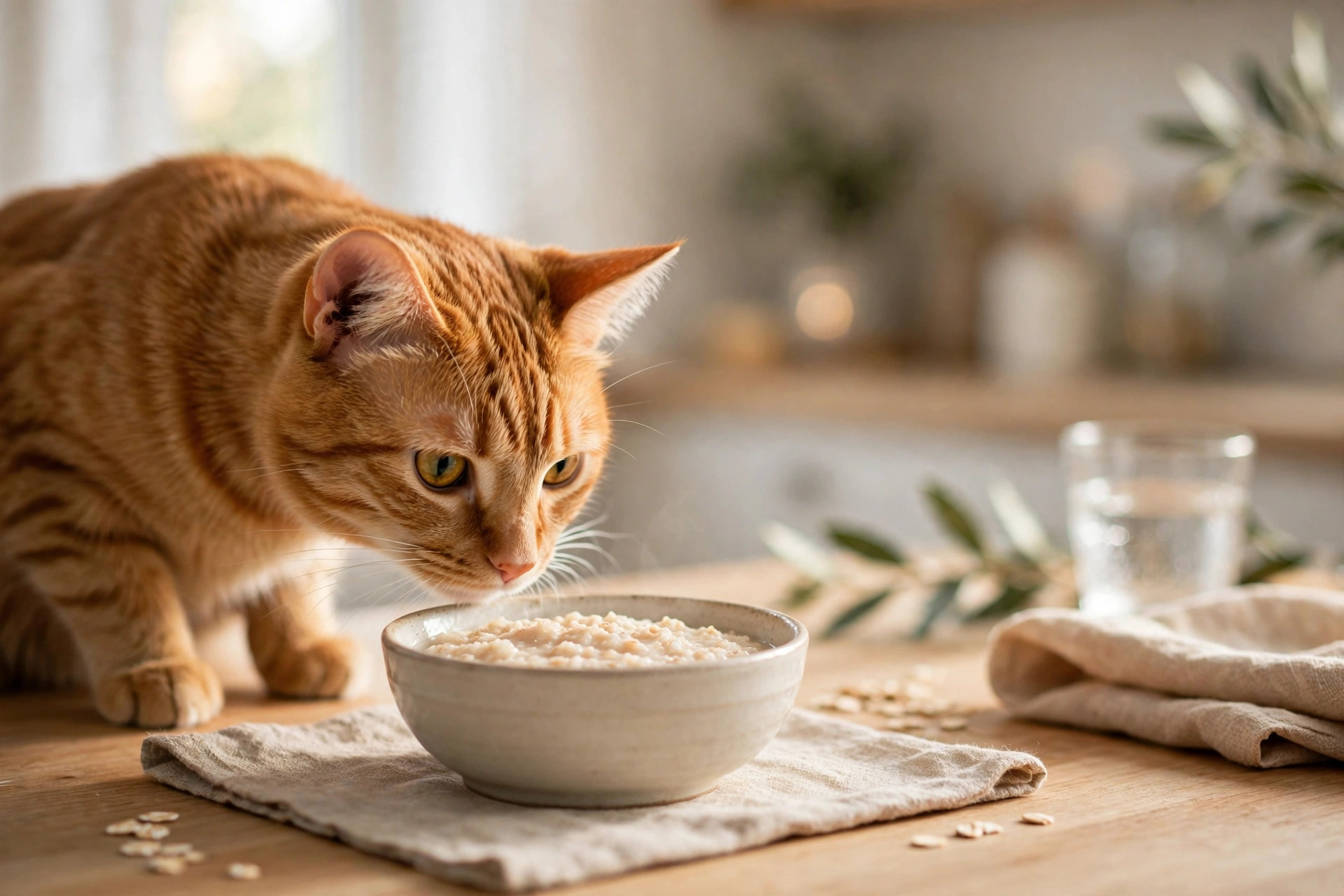
Yes, plain, fully cooked oatmeal is generally safe for healthy adult cats in tiny amounts. Oats are not toxic to cats, and oat fiber even appears as a minor ingredient in some commercial cat foods. Veterinary guidance including PetMD notes that oatmeal can help restore water balance in the digestive tract during stomach upset — but that is a far cry from making it a staple food.
Cats are obligate carnivores. Their bodies are built to run on animal protein and fat, not grains. Oatmeal is a carbohydrate-rich grain, so it takes up room in a small stomach that should be filled with meat-based nutrition. Think of it as a harmless occasional taste, not a health food.
Before offering oatmeal, make sure you serve only:
- Plain oats, fully cooked in water — never milk
- With no sugar, honey, salt, flavoring, or sweetener of any kind
- Cooled to room temperature, never hot from the pot
- In a teaspoon-sized portion, once a week or less
Also Read: Can Cats Eat Rice? Benefits, Risks & Safe Feeding Guide (2026)
Nutritional Benefits of Oatmeal for Cats
Oatmeal will never be a health food for an obligate carnivore, but a treat-sized amount of plain oatmeal does carry a few genuine upsides.
1. Soluble Fiber for Digestion
Oatmeal is rich in soluble fiber, which can support regular bowel movements and may help a cat with mild constipation. Fiber also helps move ingested fur through the digestive tract, which can reduce hairball frequency for some cats.
2. B Vitamins and Minerals
Oats supply small amounts of B vitamins, iron, zinc, and manganese. These support energy metabolism, blood health, and immune function — but a complete cat food already covers them, so oatmeal adds nothing your cat is missing.
3. Gentle, Bland Energy
Plain cooked oatmeal is bland and easy to digest in tiny amounts, which is why vets sometimes include it in bland-diet advice for stomach upset. It can also work as a vehicle for hiding a prescribed medication in a spoonful of bland food — ask your vet first.
4. Extra Hydration
Oatmeal cooked with water carries moisture with it, a small plus for cats that do not drink enough on their own. Never use this as a substitute for fresh water or wet food, though.
Risks of Feeding Oatmeal to Cats
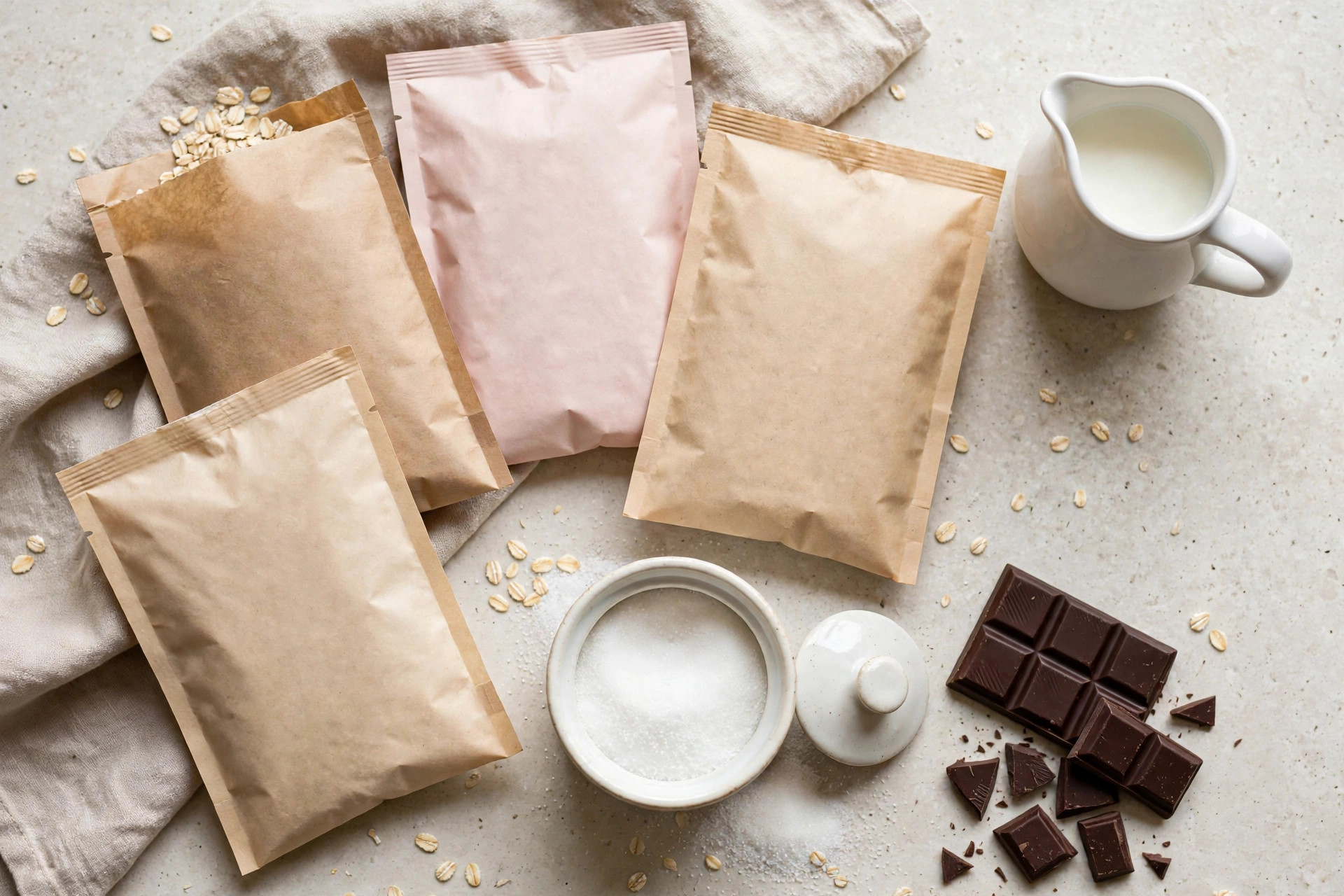
Plain oatmeal in tiny amounts is fine for most cats — but oatmeal goes wrong quickly when it is flavored, sweetened, milk-based, or over-served.
1. Milk and Lactose Intolerance
Most adult cats are lactose intolerant to some degree. Oatmeal cooked with milk or cream can cause vomiting, diarrhea, bloating, and gas. Always cook oatmeal with water only.
2. Xylitol and Artificial Sweeteners
This is the most dangerous oatmeal trap. “Sugar-free,” “light,” and flavored instant oatmeal packets often contain xylitol (also labeled as birch sugar), a sweetener that is toxic to pets. Always read the ingredient list — if you see xylitol or any artificial sweetener, that packet stays out of your cat’s reach.
3. Added Sugar and Toxic Mix-Ins
Flavored oatmeals pack added sugars, and many toppings are dangerous for cats: chocolate and coffee flavors are toxic, and oatmeal mixed with raisins or grapes can damage the kidneys. Plain means plain.
4. Carbohydrate Overload and Weight Gain
Oatmeal is high in calories and carbohydrates. Frequent feeding can cause weight gain, especially in indoor cats, and over time contributes to diabetes risk. Cats with diabetes, obesity, or kidney disease should skip oatmeal unless your vet approves it.
5. Digestive Upset and Grain Sensitivity
Too much oatmeal can overwhelm a cat’s grain-light digestive system, causing diarrhea, gas, or vomiting. A small number of cats are sensitive to grains and may develop itching, vomiting, or loose stools. Dry, uncooked oats are also hard to digest and can be a choking risk, especially for kittens and seniors.
How Much Oatmeal Can Cats Eat?
Oatmeal is strictly an occasional treat — never a staple and never a daily snack. Keep portions tiny and infrequent:
| Cat Size | Weight | Safe Serving |
|---|---|---|
| Small cats | Under 8 lbs | Half a teaspoon, once a week at most |
| Medium cats | 8–12 lbs | 1 teaspoon, once a week at most |
| Large cats | Over 12 lbs | 1 teaspoon, once a week at most |
For the very first taste, offer just a dab — about the size of your little fingernail — and wait a full day before offering more. Remember the 10% treat rule: all treats combined should stay under 10% of your cat’s daily calories, with the rest coming from a complete, balanced cat food.
Which Oatmeal Types Are Safe for Cats?
Not all oatmeal is equal. Rolled oats and steel-cut oats, fully cooked in water and served plain, are the safest choices. Instant oatmeal is acceptable only if it is the plain, unsweetened kind with oats as the sole ingredient — most instant packets are flavored or sweetened, so read the label every time. Never serve raw or dry oats, and never serve oatmeal cookies, granola, or oatmeal bars: they are loaded with sugar, butter, and often chocolate or raisins.
How to Prepare Oatmeal for Cats
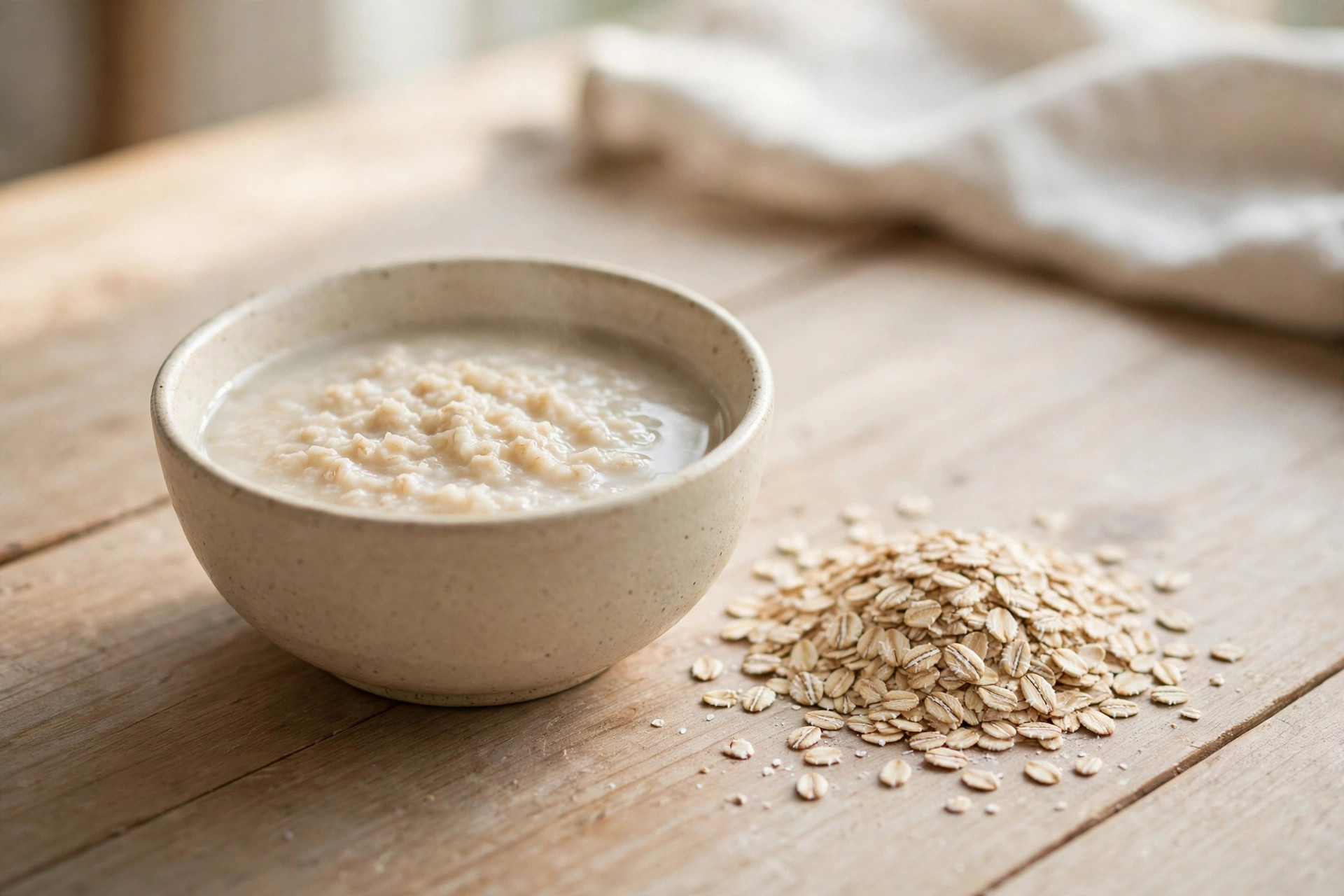
Safe preparation takes just a few minutes:
- Choose plain rolled or steel-cut oats — no flavoring, no sweetener, no added salt.
- Cook a small amount in water only, until fully soft. Never use milk or cream.
- Let it cool completely to room temperature.
- Spoon a teaspoon (less for the first taste) into a clean dish — never let your cat eat straight from your sweetened bowl.
- Discard leftovers; never serve oatmeal that has been sitting out or smells off.
- Watch your cat for 24 hours after the first taste before making it an occasional treat.
Also Read: Can Cats Eat Yogurt? Vet Safety Guide (2026)
What If My Cat Eats Too Much Oatmeal?
If your cat raids your breakfast bowl and eats a large serving of plain oatmeal, do not panic — but do monitor them closely. Too much oatmeal most often causes temporary digestive upset: loose stool, vomiting, or gas, usually resolving within a day.
Contact your veterinarian right away if you notice severe or ongoing vomiting or diarrhea, lethargy, loss of appetite lasting more than 24 hours, or if the oatmeal contained xylitol, chocolate, coffee, grapes, or raisins — those carry toxicity risks beyond simple stomach upset, and xylitol poisoning is an emergency.
Can Kittens Eat Oatmeal?
It is best to skip oatmeal for kittens. Their digestive systems are extra sensitive, and oatmeal adds nothing a growing kitten needs — their complete kitten diet already covers their nutrition. Rich treats can also encourage picky eating later. Wait until your cat is an adult, then offer only the tiny portions above.
Healthy Alternatives to Oatmeal
If your cat does not tolerate grains — or you would like to rotate their treats — these suit an obligate carnivore far better:
- Plain cooked chicken or turkey (no skin, no seasoning)
- Small pieces of plain cooked salmon
- Freeze-dried meat or fish treats made for cats
- A teaspoon of plain canned tuna in water, as an occasional treat
- Commercial cat treats formulated for complete nutrition
Always introduce any new food gradually and in small portions.
Frequently Asked Questions
Can cats eat oatmeal every day?
No. Oatmeal should be an occasional treat only — about once a week at most, in teaspoon-sized amounts. Daily oatmeal adds unnecessary carbohydrates and calories without replacing balanced nutrition.
Can cats eat oatmeal made with milk?
No. Most adult cats are lactose intolerant, and milk-based oatmeal can cause diarrhea, bloating, and vomiting. Cook oatmeal with water only.
Can cats eat instant oatmeal?
Only plain, unsweetened instant oatmeal with oats as the sole ingredient — and most instant packets fail that test. Flavored, sweetened, or “sugar-free” packets often contain sugar or xylitol and must be avoided.
Can cats eat raw oats?
No. Raw or dry oats are hard to digest and can be a choking risk. Always cook oats fully in water before offering a tiny amount.
Can diabetic cats eat oatmeal?
Only with your veterinarian’s approval. Oatmeal is carbohydrate-rich and can raise blood sugar. When in doubt, choose a meat-based treat instead.
Is oatmeal good for cats with hairballs?
It can help a little: the soluble fiber may move ingested fur through the digestive tract. But it is not a treatment for frequent hairballs — if your cat vomits hairballs often, talk to your vet.
Final Thoughts
So, can cats eat oatmeal? Yes — when it is plain, cooked in water, and served in teaspoon-sized amounts once a week or less. It is a harmless occasional taste, not a health food, and it must never displace your cat’s meat-based diet. Just remember the golden rules: plain only, water only, read the label for xylitol, never flavored or sweetened, and watch how your cat responds.
As with any new food, introduce oatmeal slowly and start with the tiniest taste. And when in doubt, your veterinarian is always the best source of advice for your individual cat’s diet.
By Dr. Ayaz Ali